Rated 4.7 out of 5 stars
4.7 / 5
Wrinkle Retreat Pro Face Mask


726,000+ customers
Free 60-Day Returns
1-Year Warranty
726,000+ customers
Free 60-Day Returns
1-Year Warranty
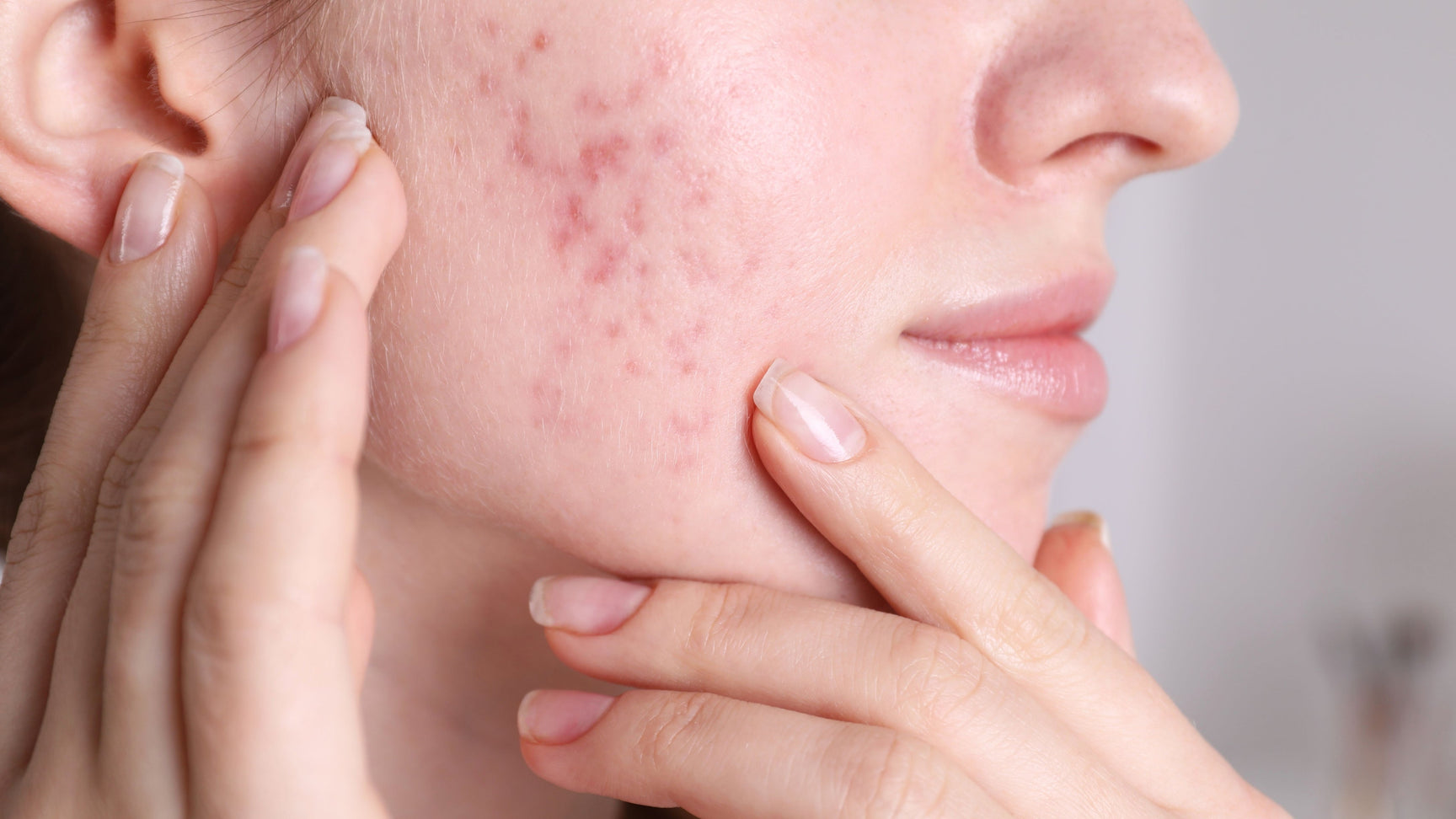
Not every breakout is the same. That tiny dot on your nose is a completely different thing from the deep, painful bump on your jawline. And treating them the same way? That's usually why nothing works. Once you can spot the different types of acne on your own skin, everything about your routine gets easier.
Blackheads are one of the most common and most misunderstood types of acne. They happen when a pore gets clogged with oil and dead skin cells but stays open at the surface. That dark color isn't dirt. It's just the trapped oil oxidizing when it hits the air.
You'll usually find them across the nose, chin, and forehead. They're flat, they don't hurt, and they don't swell up. Blackheads are non-inflammatory, meaning your body isn't fighting an infection. Just a clog sitting in an open pore. The good news is they're one of the easier types to manage with consistent cleansing and gentle exfoliation.
Whiteheads are basically the sibling of blackheads. Same starting point, different ending. A pore gets clogged, but instead of staying open, the skin closes over it completely. That traps everything underneath and creates a small, flesh-colored or white bump just below the surface.
Because the clog is sealed off from the air, there's no oxidation and no dark color. Whiteheads are mild, painless, and non-inflammatory, just like blackheads. They tend to pop up on the forehead, cheeks, and chin. The key here is resisting the urge to squeeze them, since that usually pushes the clog deeper and can lead to inflammation or scarring.
When a clogged pore gets irritated enough that the pore wall actually breaks down, bacteria get involved, and your body sends in an immune response. That's when you get a papule.
Papules are small, raised, pink or red bumps that feel tender when you touch them. There's no pus and no visible head. Just a firm, irritated bump that's sore to the touch. They're the first step into inflammatory acne territory, and they usually show up in clusters.
If you're seeing a lot of papules, your breakouts have moved past the simple clogged-pore stage. Keeping inflammation in check becomes the priority, and that's where understanding acne types and treatments really starts to matter.
Pustules are what most people picture when they think of a classic pimple. They look a lot like papules, but with one big difference. There's a visible white or yellow center filled with pus.
That pus is your immune system doing its job, fighting off the bacteria inside the clogged pore. Pustules are red around the base, tender, and sometimes painful. They show up on the face, chest, shoulders, and back.
As tempting as it is, popping pustules usually backfires. It can push bacteria deeper into the skin, spread the infection to surrounding pores, and increase the risk of scarring. Cleveland Clinic recommends letting them heal on their own or using targeted treatments to help the process along.
Nodular acne is where things get serious. Nodules form deep below the skin's surface, much deeper than papules or pustules. They're large, hard, painful lumps with no visible head. You can feel them before you even see them.
Because they sit so deep, nodules don't respond to surface-level treatments. You can't pop them, and trying will only make things worse. They can linger for weeks and often leave marks even after they clear up. If you're regularly dealing with nodules, it's worth seeing a dermatologist for professional-strength treatment.
Cystic acne is the most severe form. Like nodules, cysts form deep under the skin. But instead of being solid, they're filled with pus, making them softer and even more painful. They can look like boils and often feel like they're throbbing.
Cysts carry the highest risk of permanent scarring out of all the different types of acne. They can also rupture beneath the surface, spreading infection to surrounding skin and creating new breakouts nearby.
This is not a pick-it-and-hope-for-the-best situation. Cystic acne almost always needs a dermatologist's help. According to the National Institute of Arthritis and Musculoskeletal and Skin Diseases, severe acne like this may require prescription oral medications or intensive treatments.
Yes, and it behaves differently from most other types. Hormonal acne is driven by fluctuations in hormones, especially androgens, which crank up oil production. It's incredibly common in adult women and tends to flare up around your menstrual cycle.
The telltale sign is location. Hormonal acne almost always clusters along the jawline, chin, and lower cheeks. And instead of surface-level pimples, it usually shows up as deep, painful cysts that take forever to go away.
If your breakouts follow a monthly pattern and always land in the same spots on your lower face, hormones are likely the driving force. A dermatologist can help identify the right approach, since hormonal acne often doesn't respond to standard topical treatments alone.
Here's the plot twist. Sometimes what looks exactly like acne isn't acne at all.
Fungal acne, known medically as pityrosporum folliculitis, is caused by an overgrowth of yeast in your hair follicles. It shows up as clusters of small, uniformly sized, itchy bumps, usually on the forehead, chest, or back.
The biggest clue is the itch. Regular acne doesn't usually itch. If your bumps do, and they're all roughly the same size, and nothing you've tried has made a difference, fungal acne might be the real issue. It needs antifungal products, not typical acne treatments.
For a deeper dive into how different breakouts develop and what to look for, check out our complete guide to acne.
Once you know which types of acne explained here match what you're seeing on your skin, the next step is finding the right approach. And this is where light therapy has become a real game-changer for a lot of people.
Blue light at 415 nm gets into the pore and goes after the bacteria that trigger inflammatory breakouts. Red light at 630 nm calms the redness and irritation around active blemishes and supports your skin's natural healing process. Solawave's Bye Acne spot treatment combines both in one FDA-cleared device that takes just three minutes per session, without drying your skin out the way harsh topicals can.
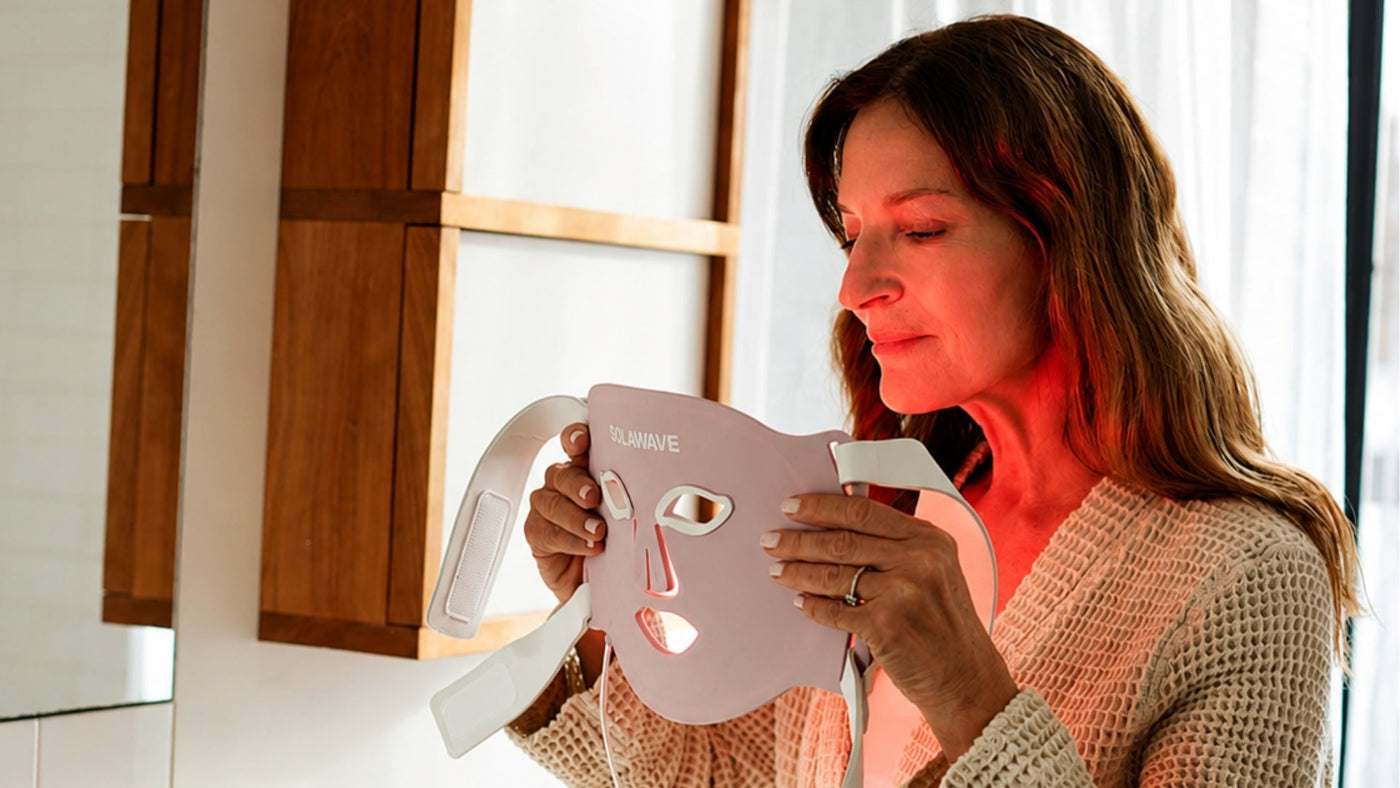
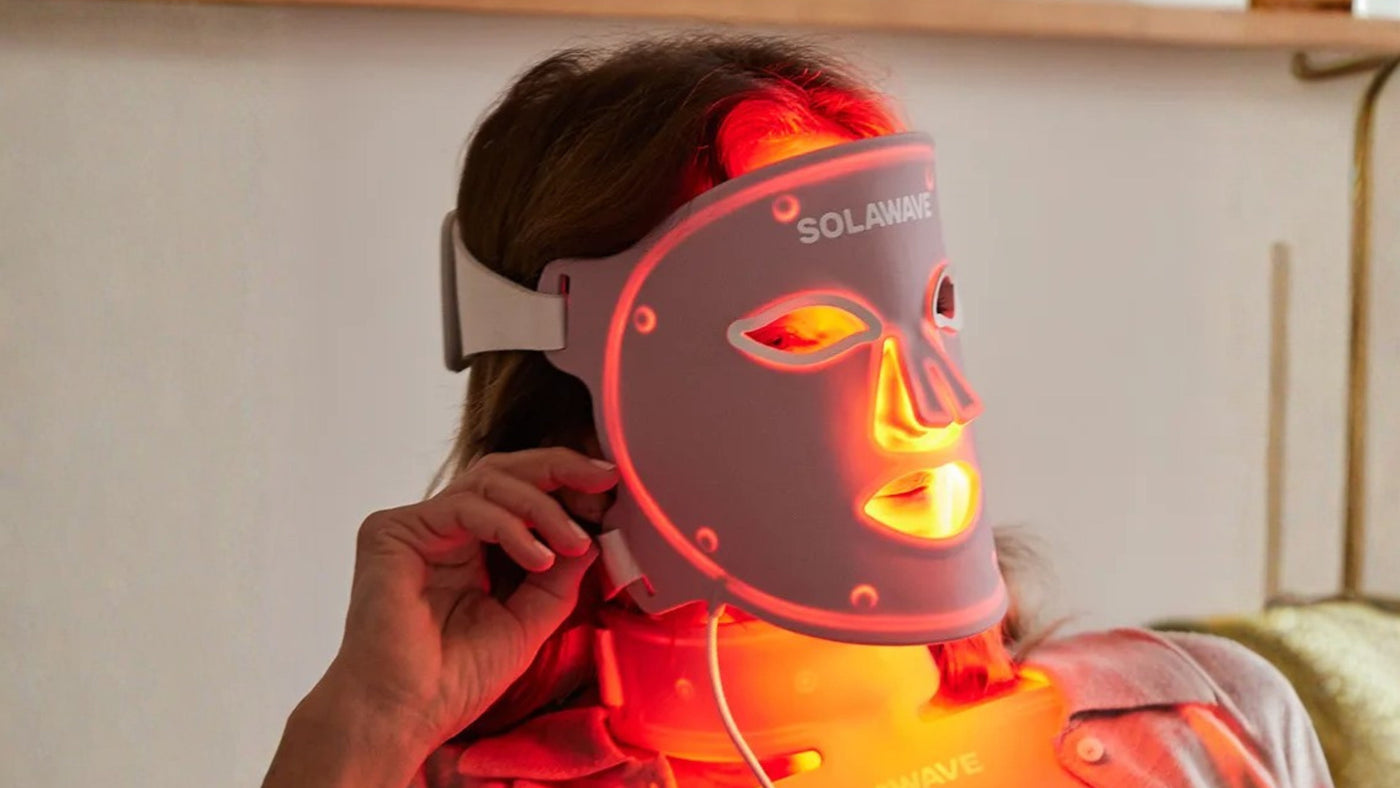
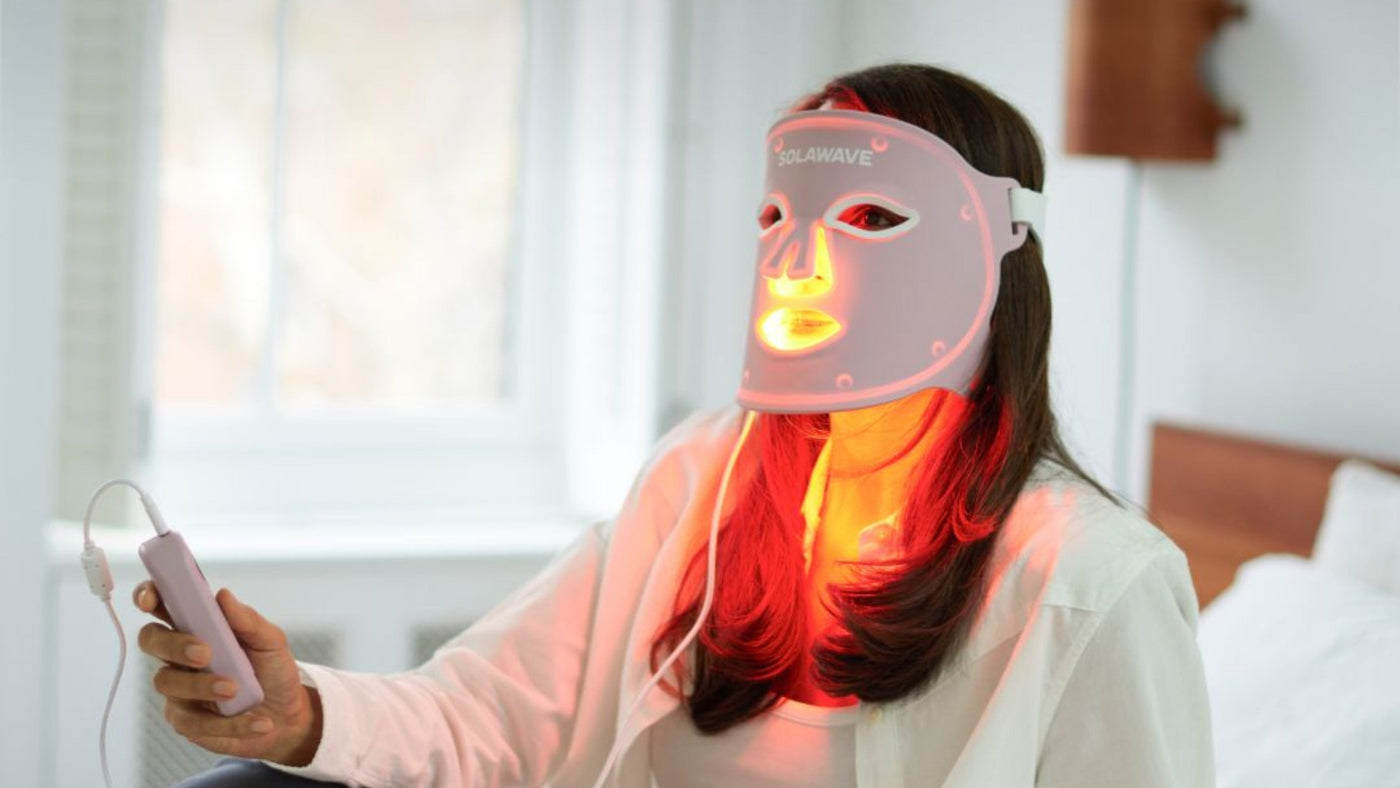
For post-breakout redness and uneven tone, the Wrinkle Retreat Pro LED Face Mask uses red and amber wavelengths to visibly calm irritation and even out skin tone across the entire face in three minutes. And the 4-in-1 Skincare Wand lets you target specific zones where breakouts and post-acne marks tend to linger, with red light therapy, therapeutic warmth, galvanic current, and facial massage all working together.
The bottom line? Not all acne is the same. And once you stop treating it that way, your skin finally has a chance to catch up.
The main types include blackheads, whiteheads, papules, pustules, nodules, and cysts. Blackheads and whiteheads are mild and non-inflammatory, while nodules and cysts are severe, deep, and can cause permanent scarring.
Papules are small, red, tender bumps with no visible head or pus. Pustules look similar but have a white or yellow pus-filled center. Both are inflammatory, but pustules are further along in the body's immune response.
Hormonal acne typically shows up as deep, painful cysts along the jawline, chin, and lower cheeks. It tends to follow a monthly cycle in women and doesn't always respond to standard over-the-counter acne treatments.
Fungal acne causes clusters of small, uniform, itchy bumps, usually on the forehead, chest, or back. The key difference is the itching and the fact that typical acne products don't clear it up. It needs antifungal treatment instead.
Blue light at 415 nm penetrates the pore and destroys the bacteria that cause inflammatory breakouts. It also helps reduce excess oil production without drying out the skin or causing irritation.
Red light at 630 nm supports the skin's natural healing process and helps calm visible inflammation. It can visibly reduce post-breakout redness and help even out skin tone over time with consistent use.