Rated 4.7 out of 5 stars
4.7 / 5


726,000+ customers
Free 60-Day Returns
1-Year Warranty
726,000+ customers
Free 60-Day Returns
1-Year Warranty
Combination skin means treating an oily T-zone and dry, flaky cheeks in the same session — most devices aren't built to do both without over-drying one zone or under-treating the other. Red light therapy for combination skin works when you match wavelength and treatment area to each zone instead of blasting the whole face at one setting.
Combination skin isn't one skin type — it's two zones fighting for opposite treatment. Red light and near-infrared wavelengths calm inflammation and support collagen production across the whole face, while targeted blue light addresses the oil and breakout activity concentrated in the T-zone. Use one wavelength for everything and you'll either dry out the cheeks or leave the T-zone under-treated. That's the entire buying decision for red light therapy for oily skin crossed with dry-zone care, and it's why device selection matters more here than for uniform skin types.
FDA-cleared devices matter too. Solawave's red light therapy lineup is built around FDA-cleared wavelengths and is recommended by 750+ doctors and medical experts, which is a meaningfully different bar than a no-name LED mask sold on price alone.
This guide is for anyone with a shiny, breakout-prone T-zone and tight, flaky, or reactive cheeks — the classic combination-skin split that makes single-purpose skincare routines fail. If you've bought a blue-light device for breakouts and found your cheeks worse for it, or bought a hydrating red-light mask and found your forehead still congested, this is the mismatch this guide fixes.
A device limited to a single wavelength forces a compromise. Red and infrared calm and hydrate; amber and deep red support tone and texture without stripping moisture from dry cheeks. Combination skin needs a device that can run more than one wavelength depending on the zone or session.
A full-face mask treats every inch at the same intensity and time, which works if the wavelengths themselves are balanced for combination skin. A handheld wand lets you spend more time on the T-zone and less on the cheeks — genuinely useful when the two zones need different dosing.
A 2026 skincare routine that takes 20+ minutes daily doesn't survive contact with a real schedule. Devices with shorter, consistent session times get used; devices that demand a production get shelved after week two.
Whatever serum or cream you apply before or after a light therapy session needs to support the skin barrier on the dry side of your face without adding oil to the T-zone. Heavier, occlusive formulas can block light penetration and worsen congestion in oilier zones.
FDA clearance means the device has been reviewed for the specific therapeutic claim it makes, not just marketed with light-therapy buzzwords. For a purchase in the $50-$400 range, that clearance is the difference between a real skincare tool and a gadget.
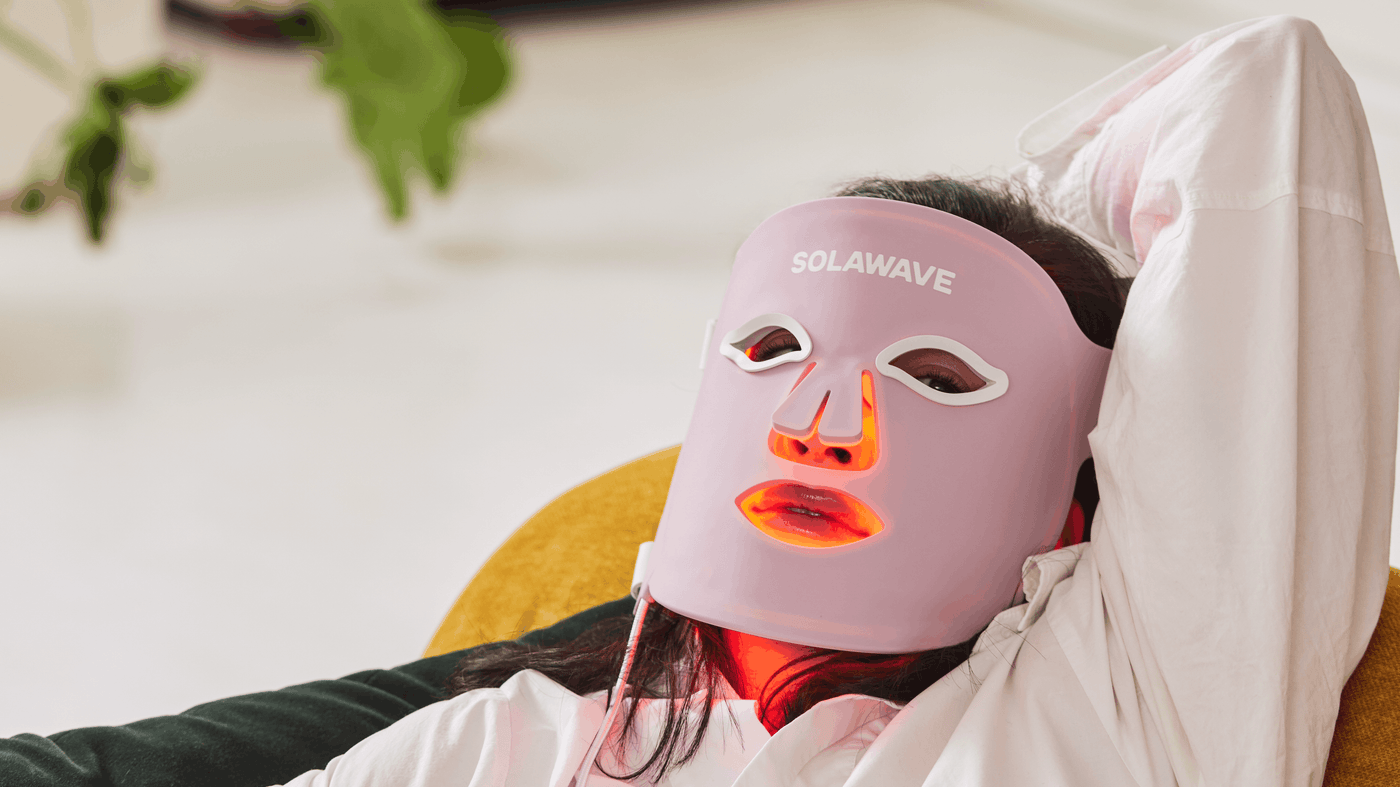
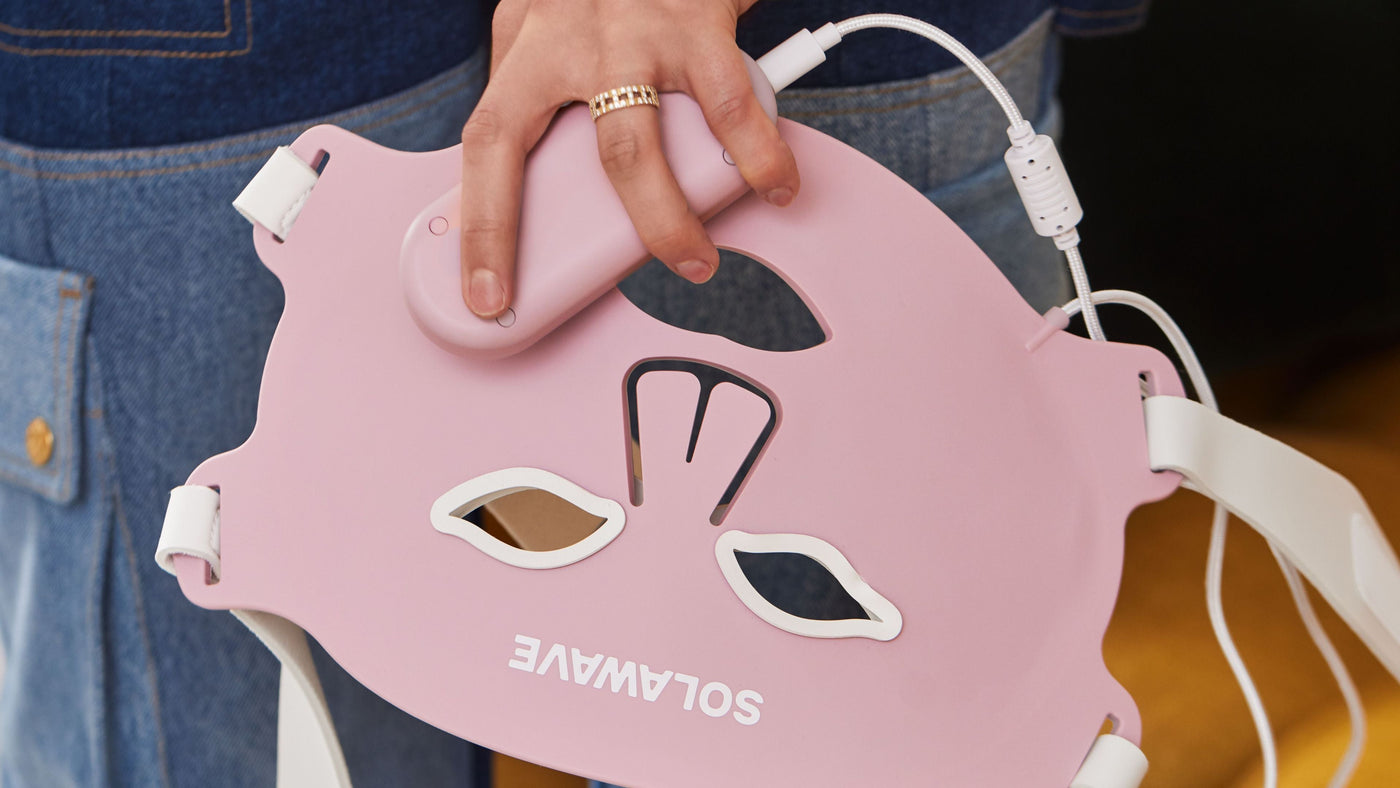
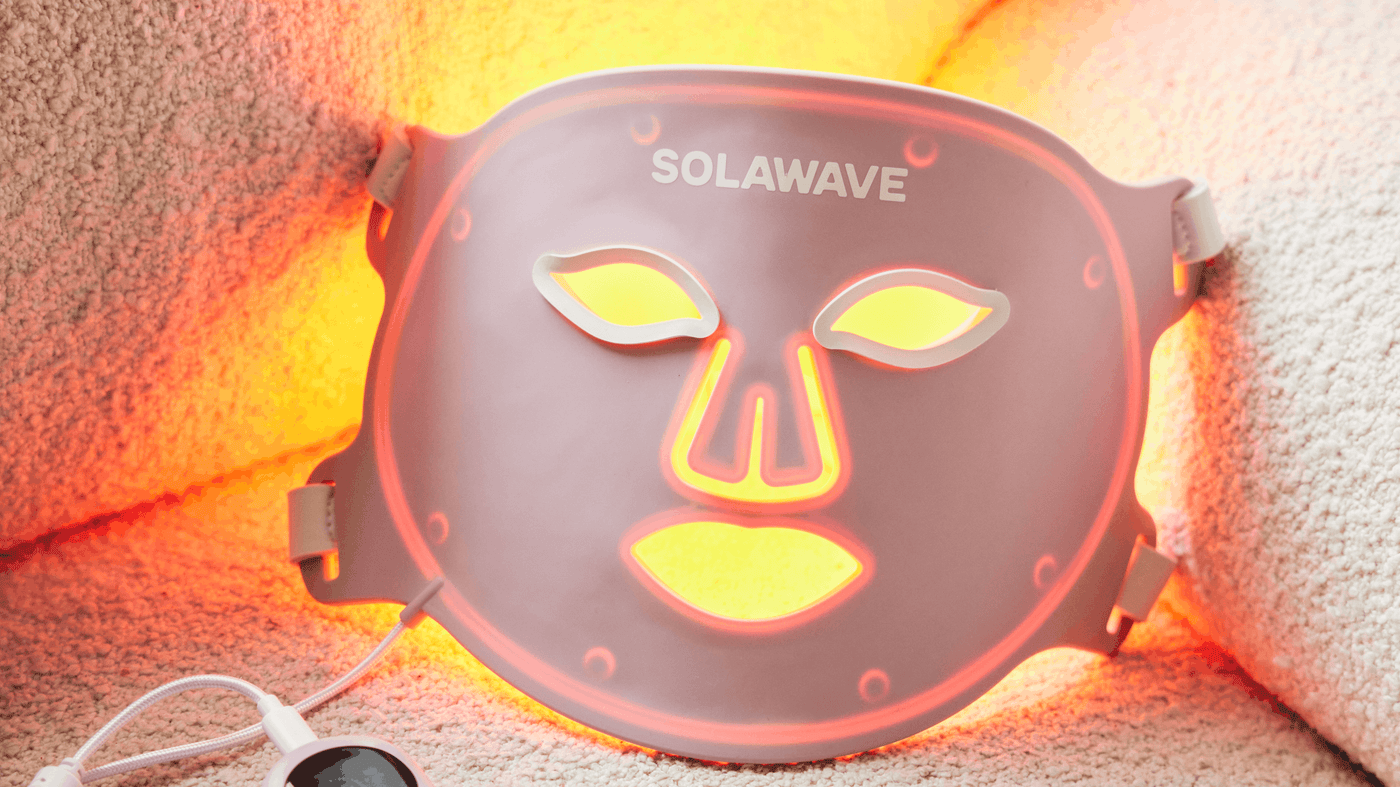
The full-face fix: Wrinkle Retreat Pro LED Face Mask Spec that matters: 320 LEDs across 4 wavelengths — red, infrared, deep red, and amber — in a single FDA-cleared mask. That wavelength spread is exactly what combination skin needs: enough range to calm dry cheeks and support the T-zone without switching devices. Verdict: Buy. Wrinkle Retreat Pro LED Face Mask
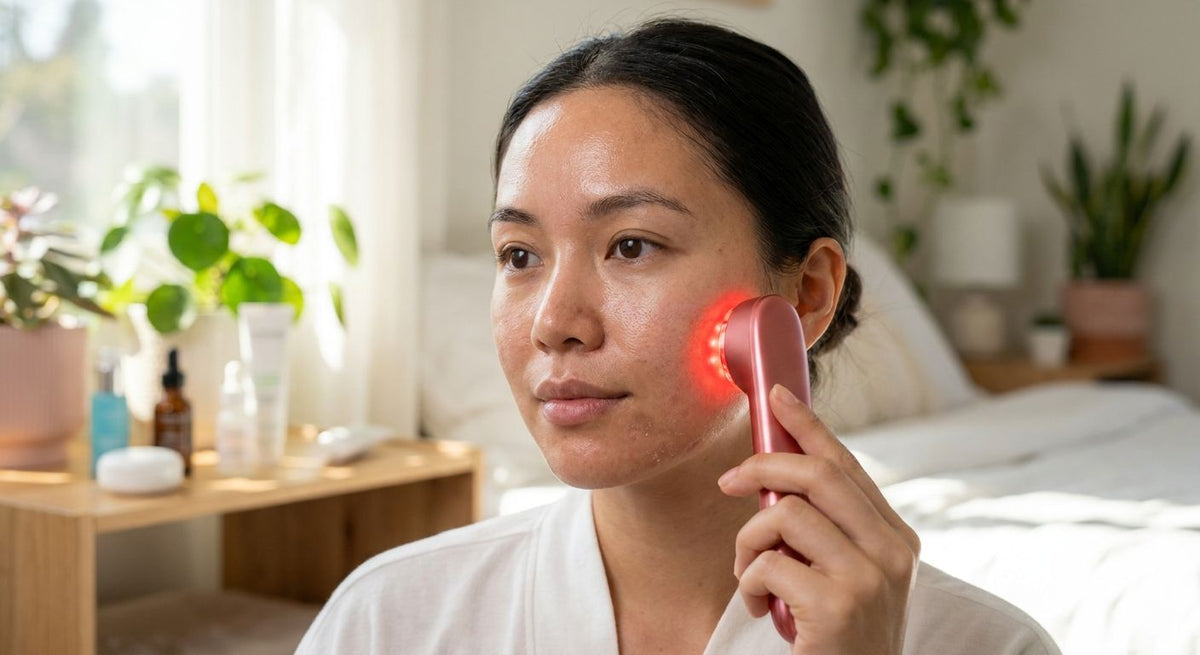
The targeted pick: 4-in-1 Radiant Renewal Skincare Wand At $169, this handheld wand lets you spend extra minutes on the T-zone during breakout weeks and pull back on the cheeks, which a fixed full-face mask can't do. It's the pick for anyone who wants zone-by-zone control rather than one uniform session. Verdict: Buy. 4-in-1 Radiant Renewal Skincare Wand
The oil-zone booster: LightBoost Niacinamide Face & Neck Serum A lightweight, FDA-cleared boost serum formulated to work with your LED device rather than sit on top of it. Niacinamide is the ingredient combination-skin routines lean on because it calms oil production in the T-zone without the drying effect of heavier actives. Verdict: Consider for anyone whose T-zone still looks shiny an hour after cleansing. LightBoost Niacinamide Face & Neck Serum
The dry-cheek rescue: LightBoost Face & Neck Cream This is the richer boost cream in the LightBoost line, formulated to enhance mask sessions on drier skin. Use it on cheeks only, not the T-zone, or you'll undo the point of treating the two zones differently. Verdict: Consider, applied selectively rather than all-over.


| Pick | Best for | Wavelengths / Formula | Price | Verdict |
|---|---|---|---|---|
| Wrinkle Retreat Pro LED Face Mask | Full-face, hands-free sessions | Red, infrared, deep red, amber (320 LEDs) | $399 | Buy |
| 4-in-1 Radiant Renewal Skincare Wand | Zone-by-zone control | Red light therapy, handheld | $169 | Buy |
| LightBoost Niacinamide Face & Neck Serum | Oily T-zone support | Niacinamide boost serum | $56 | Consider |
| LightBoost Face & Neck Cream | Dry cheek zones only | Rich boost cream | $52 | Consider, spot-use |
Is red light therapy good for combination skin?
Yes, red light therapy works well for combination skin because red and infrared wavelengths calm inflammation and support collagen production across both oily and dry zones without stripping moisture. In 2026, devices with multiple wavelengths like the Wrinkle Retreat Pro give you that range in one session.
Should I use a red light mask or a wand for combination skin?
A wand gives you more control to spend extra time on an oily T-zone and less on dry cheeks, while a mask treats the whole face evenly in one session. Choose the wand if your zones need very different dosing, and the mask if you want a hands-free, consistent routine.
Can red light therapy make oily skin worse?
No, red light therapy itself does not increase oil production; it's the products layered around it, like heavy occlusive creams, that can worsen an oily T-zone. Use lightweight, FDA-cleared boost serums instead of rich balms on oilier zones.
How often should I use red light therapy for combination skin?
Most FDA-cleared at-home devices are designed for daily or near-daily short sessions, applied to clean skin before serums or creams. Consistency across 2026's typical 8-12 week skincare cycle matters more than session length.
Do I need different products for the T-zone versus cheeks?
Yes, combination skin benefits from a lighter, oil-controlling serum like LightBoost Niacinamide Face & Neck Serum on the T-zone and a richer boost cream on drier cheeks. Applying the same formula everywhere ignores the reason the skin is called combination in the first place.
Is red light therapy for combination skin better than blue light alone?
Blue light alone targets acne-causing bacteria in the T-zone but does nothing for dry, reactive cheeks, so it's an incomplete solution for combination skin. A multi-wavelength device that includes red and infrared light covers both zones in one device.
How much does a red light therapy device for combination skin cost?
At-home red light therapy devices for combination skin range from around $169 for a handheld wand to $399 for a full LED face mask in 2026. Boost serums and creams that pair with the device typically run $38-$56.
The zone-specific approach is the whole trick: run your LED mask or wand session as usual, but choose which booster touches which part of your face afterward — niacinamide serum on the T-zone, richer cream on the cheeks. That five-second decision does more for combination skin in 2026 than switching devices ever will.
 Acne
Acne