Rated 4.7 out of 5 stars
4.7 / 5


726,000+ customers
Free 60-Day Returns
1-Year Warranty
726,000+ customers
Free 60-Day Returns
1-Year Warranty
Your 20s are the window where red light therapy does its best work — not fixing damage, but preventing it before collagen decline even starts. Red light therapy for prejuvenation means using an at-home red and near-infrared device 3 to 5 times a week, in 10-to-20-minute sessions, starting before fine lines show up rather than after. The catch most people miss: consistency matters more than intensity, and skipping weeks resets the collagen-stimulation clock every time.
Collagen production starts declining around age 25, roughly 1% a year, long before wrinkles are visible in the mirror. By the time fine lines show up in your 30s, the underlying structural loss has been happening for years. Red and near-infrared wavelengths (typically 630-660nm and 800-850nm in published research and in devices like Solawave's lineup) are studied for stimulating fibroblast activity, which is the cell process behind collagen and elastin production.
Starting a red light therapy for prejuvenation routine in your 20s isn't about treating existing wrinkles — it's about slowing the rate of new ones. That's a different job than a wrinkle-reversal device bought at 45, and it changes how you should think about frequency, device choice, and where you apply it.
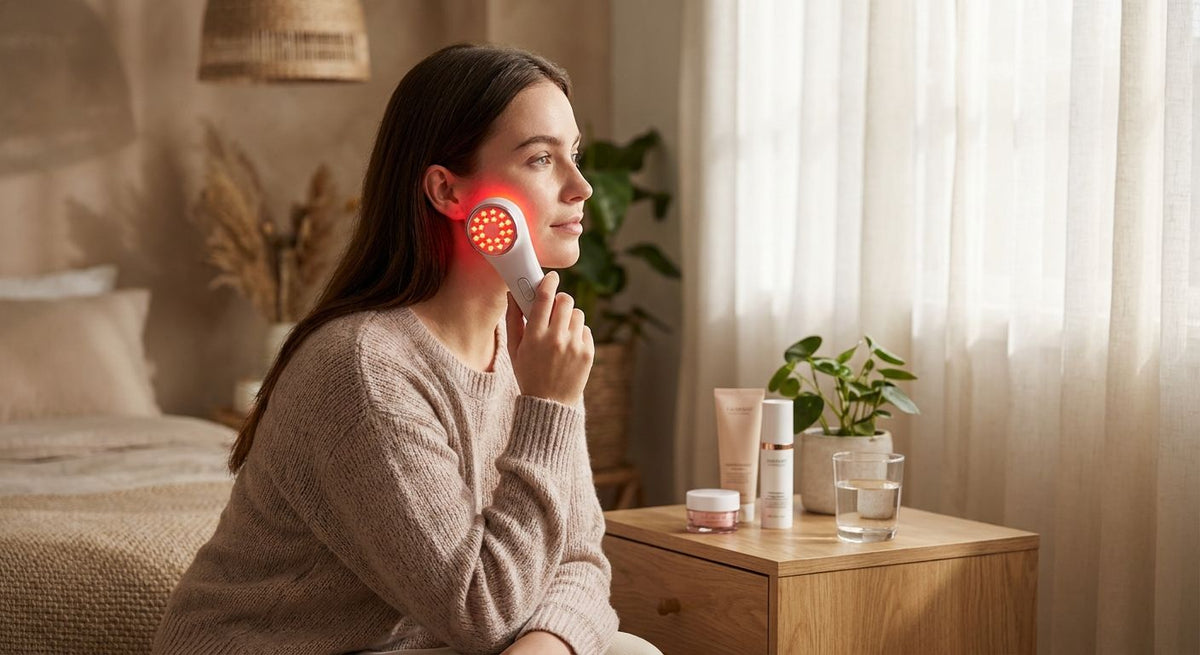
A wand like the 4-in-1 Radiant Renewal Skincare Wand is built for targeted, short daily use — jawline, under-eyes, and problem zones in about 10 minutes. Best for: anyone in their 20s who wants a low-commitment habit they'll actually stick to, since a 10-minute wand pass is easier to fit into a morning routine than a full mask session. Con: it treats zones sequentially, so full-face coverage takes longer than a mask.
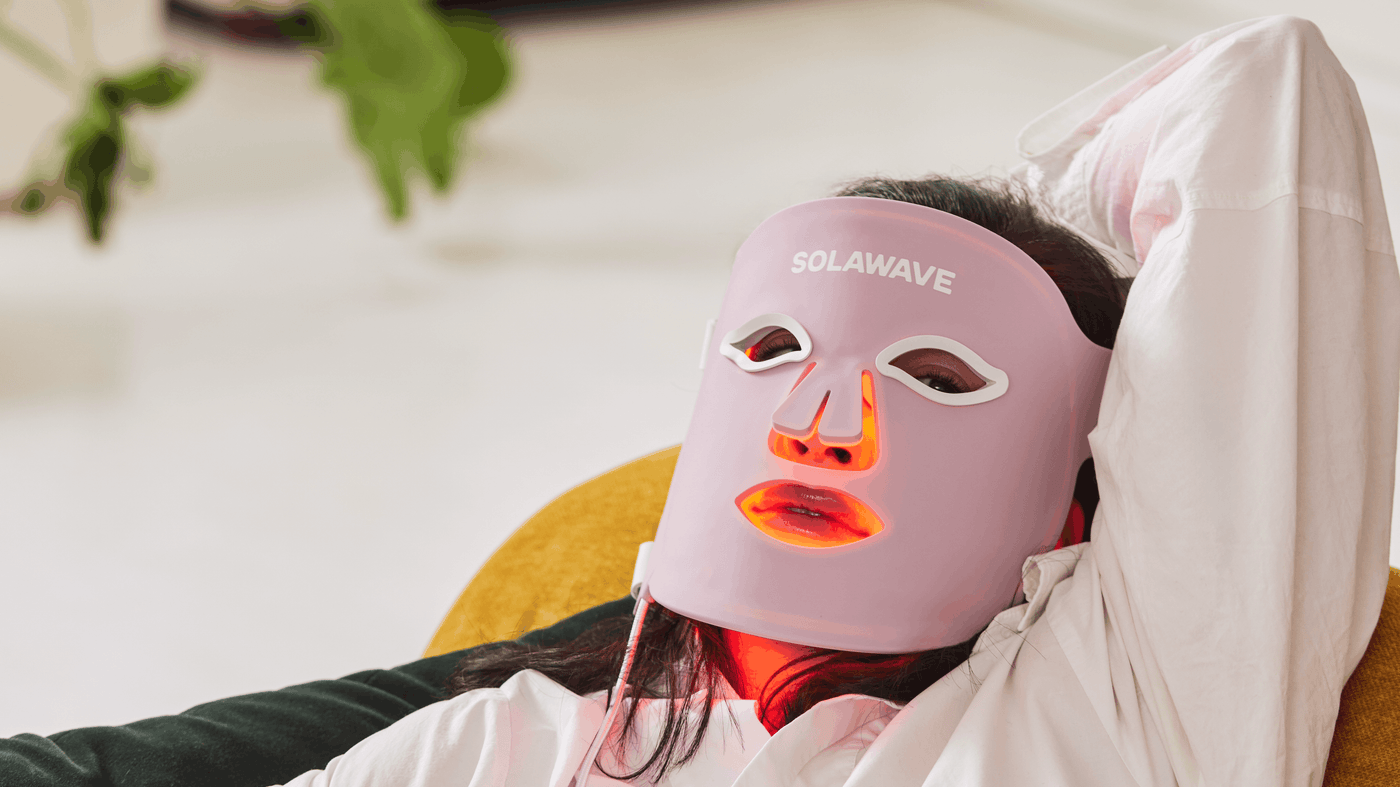
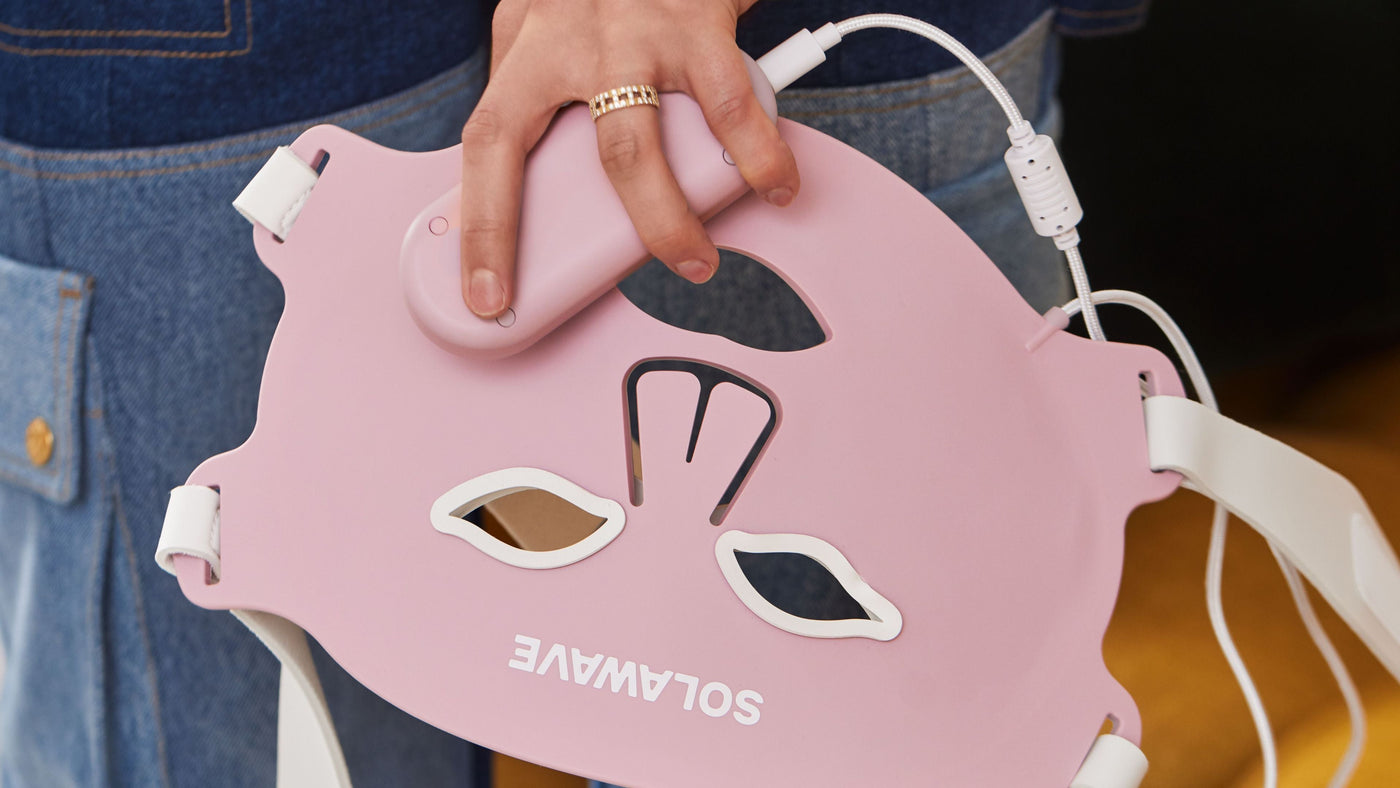
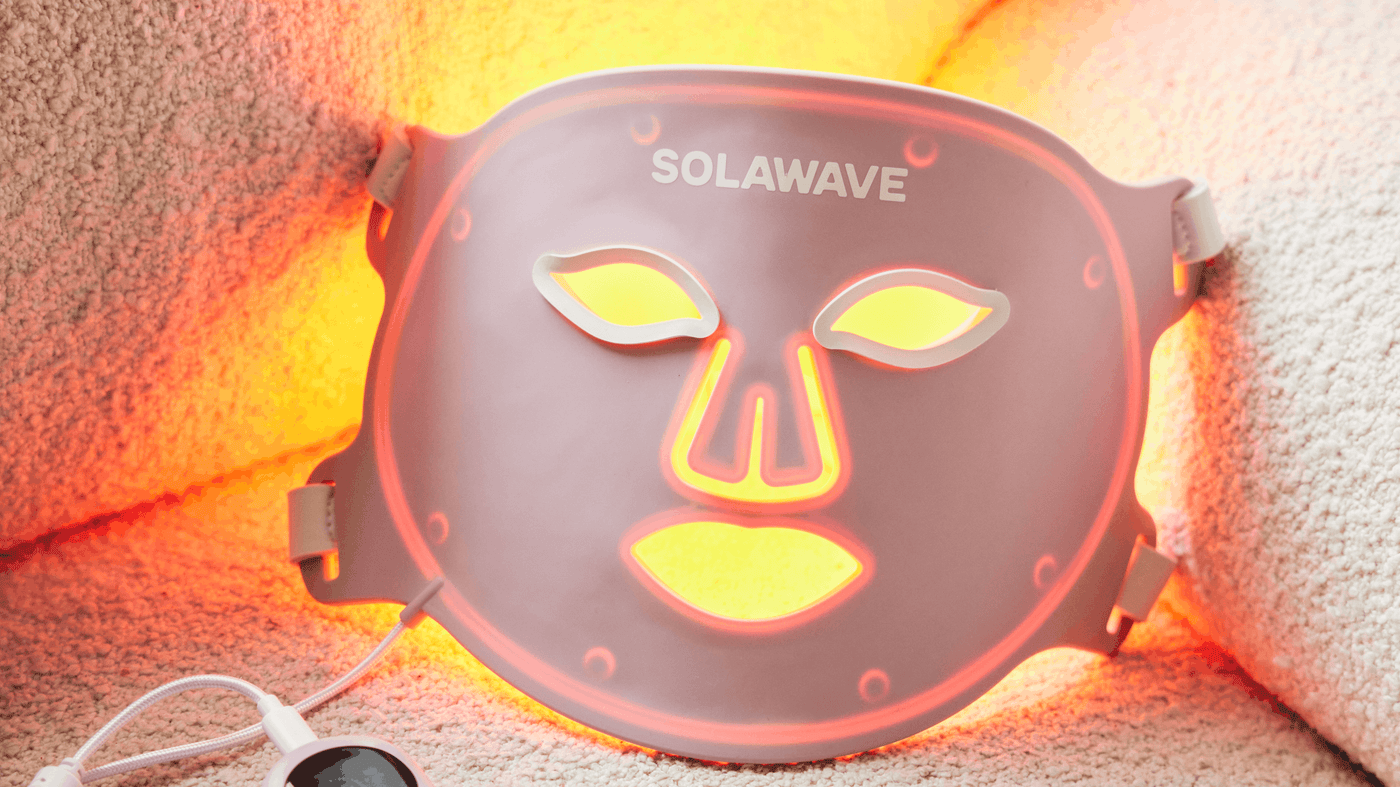
A mask such as the Wrinkle Retreat Pro LED Face Mask covers the entire face at once across red, infrared, deep red, and amber wavelengths. Best for: people who want even, whole-face prejuvenation coverage without manually tracking multiple zones. Con: it's a bigger upfront commitment and less convenient for quick touch-ups on a single problem area like the eye area or jawline.
Yes — FDA-cleared at-home red light therapy devices are designed for regular use starting at any adult age, and starting earlier is a preventive strategy rather than a risk. Devices like Solawave's are recommended by 750+ doctors and medical experts, which reflects broad clinical comfort with early, consistent use.
Most people notice tone and texture changes around 8 to 12 weeks of consistent 3-5x weekly sessions, since collagen remodeling is a gradual biological process, not an overnight one. In your 20s, results read more as "maintained skin quality" than dramatic wrinkle reduction, because there's less existing damage to reverse.
Yes, that's the point of prejuvenation — treating skin before fine lines form targets the collagen decline that's already happening beneath the surface starting in your mid-20s. Waiting until wrinkles are visible means treating years of accumulated structural loss instead of maintaining what's already there.
If you're building a first routine, a wand-and-serum combo like the 4-in-1 Radiant Renewal Skincare Wand paired with a boosting serum gives you a fast daily habit; a full-face mask gives broader coverage for less manual effort per session. Neither replaces sunscreen or basic actives — red light therapy for prejuvenation works alongside your existing routine, not instead of it.


What is the best red light therapy device for prejuvenation in your 20s?
A handheld wand covers jawline and under-eye zones in about 10 minutes a day, while a full-face mask treats everything at once in 3-5 weekly sessions. Pick the wand if you want a fast daily habit, the mask if you want even full-face coverage with fewer decisions per session.
How often should you use red light therapy in your 20s?
3 to 5 times a week is the range most published red light therapy protocols recommend for consistent collagen stimulation. Skipping more than a week at a time reduces the cumulative benefit, since the effect builds session over session.
Is red light therapy for prejuvenation better than waiting until you have wrinkles?
Yes, starting before fine lines appear targets collagen decline that's already underway in your mid-20s, rather than reversing years of accumulated loss later. Prejuvenation is a maintenance strategy, not a repair strategy.
How long until you see results from a prejuvenation routine?
Most people notice tone and texture changes around 8 to 12 weeks of consistent use, since collagen remodeling is gradual. In your 20s, results look like maintained skin quality rather than dramatic wrinkle reduction.
Can you use red light therapy every day?
Daily 10-minute sessions with a handheld wand fit within published safety and protocol guidance for FDA-cleared at-home devices. Full-face masks are often used every other day instead, simply because a full session takes more time.
Does red light therapy replace sunscreen or retinoids in your 20s?
No, red light therapy for prejuvenation works alongside sunscreen and actives, not instead of them. It targets collagen stimulation; sunscreen prevents the UV damage that accelerates collagen loss in the first place.
What wavelengths matter for prejuvenation?
Red light around 630-660nm and near-infrared around 800-850nm are the ranges studied for fibroblast and collagen stimulation. Devices covering both, like multi-wavelength LED masks, address a broader range than single-wavelength tools.
Is red light therapy safe for oily or acne-prone 20-something skin?
Yes, FDA-cleared red light devices are designed for regular use across skin types, including oily and acne-prone skin. Blue light variants specifically target acne-causing bacteria if breakouts are a bigger concern than prejuvenation alone.
The biggest mistake in prejuvenation routines isn't the device — it's inconsistency. A 10-minute session three times a week for three months beats a 20-minute daily session for two weeks followed by a month off, because collagen stimulation compounds with regular repetition and resets when you stop. Pick the shortest routine you'll actually keep, not the most intense one.
 Acne
Acne