Rated 4.7 out of 5 stars
4.7 / 5


726,000+ customers
Free 60-Day Returns
1-Year Warranty
726,000+ customers
Free 60-Day Returns
1-Year Warranty
Sensitive skin can use red light therapy safely in 2026, but the standard protocol most devices ship with is built for average skin, not reactive skin. Cut the session time to 3 minutes for the first two weeks, run it every other day instead of daily, and skip actives like retinol or niacinamide under the light until skin proves it tolerates the full routine. The hidden cost most guides skip: heat buildup from a device left in one spot too long causes more flare-ups on rosacea- or eczema-prone skin than the light wavelength itself.
Red light therapy for sensitive skin routines gets recommended constantly in 2026 skincare content, almost always with the same 10-minute-a-day advice built for normal skin barrier function. Rosacea, eczema, and post-procedure skin don't have that barrier. Heat sensitivity, not the red or infrared wavelength itself, causes most of the reported flare-ups — which means the fix is dosage and technique, not avoidance.
Skin that reacts to sunscreen, fragrance, or hot water is telling you its barrier is compromised before you ever turn a device on. Red light therapy for sensitive skin still works for that skin type — it just needs a slower on-ramp than the box instructions describe.
Follow this sequence instead of jumping straight into a daily full-length session:
This phase exists to confirm tolerance, not to deliver results. Four to six short sessions across two weeks tell you more about how your skin handles red light than any product label. Stop and extend this phase another week if you see redness lasting past 60 minutes after any session.
Once skin clears the first phase, extend session length to 5 minutes and frequency to three non-consecutive days a week. This is where most sensitive-skin users can reintroduce one gentle active — a hydrating serum with hyaluronic acid, not an acid exfoliant — applied after the session.
By week five, most reactive skin tolerates the standard 10-minute session used for general red light therapy protocols. Keep sessions to 4-5 days a week rather than daily even at maintenance — sensitive skin benefits from recovery days between sessions more than it benefits from daily consistency.
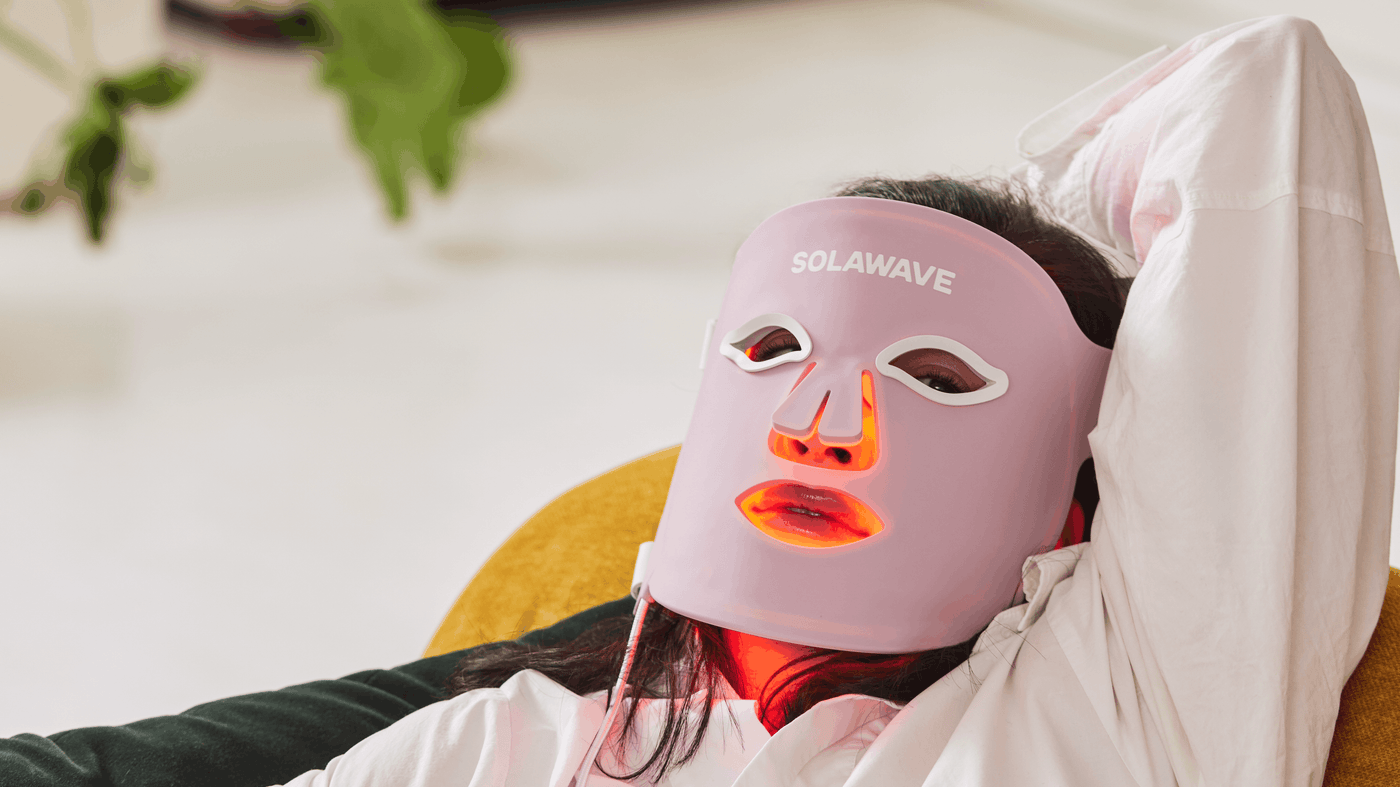
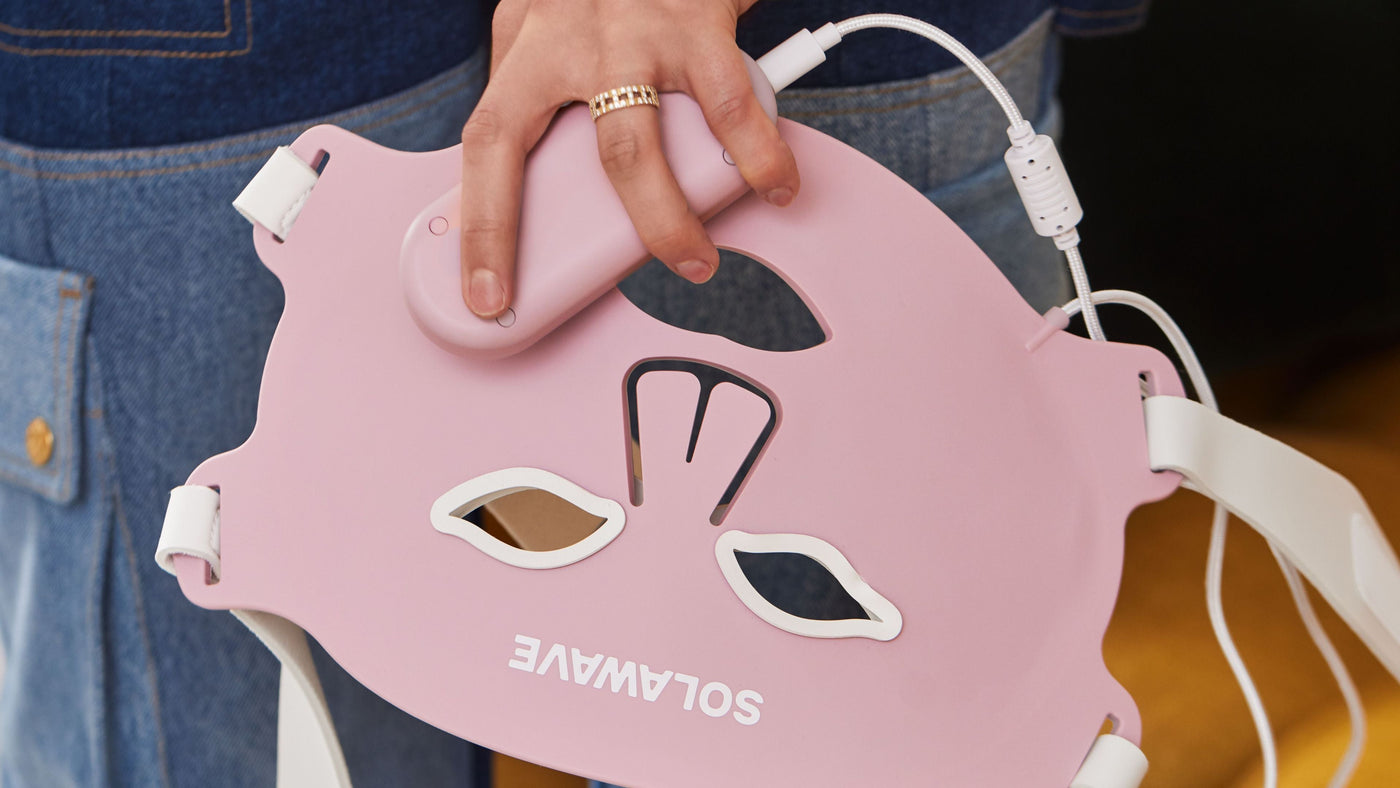
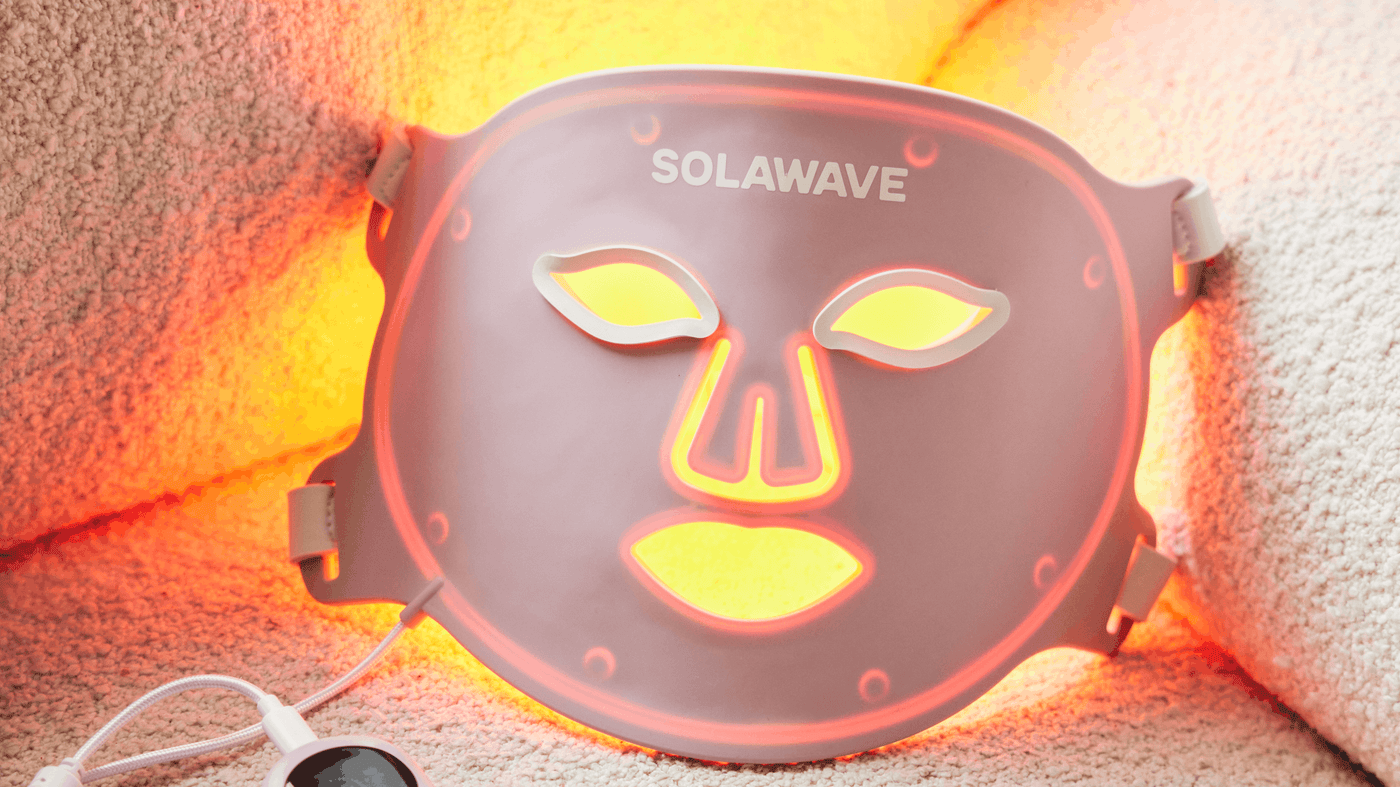
Solawave's Wrinkle Retreat Pro LED Face Mask runs all four of those wavelengths across 320 LEDs, which is worth knowing if you're comparing FDA-cleared masks for a slow-build sensitive skin routine rather than a single-wavelength wand.


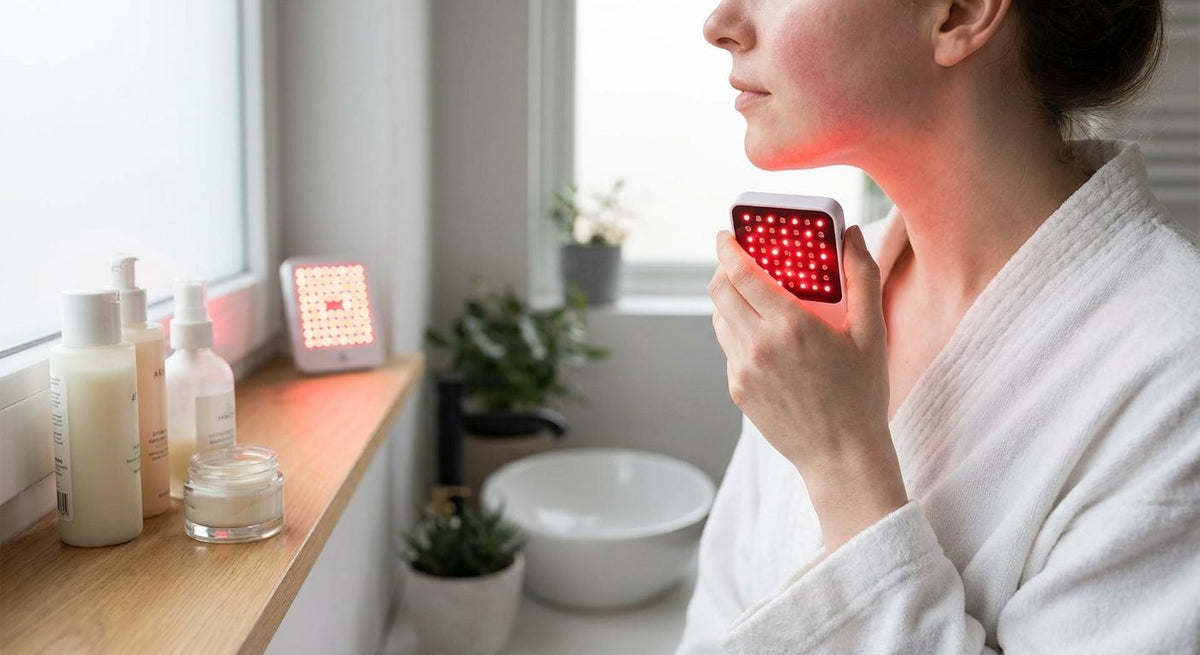
A wand gives you spot control on flare-prone areas like the cheeks and nose; a mask gives you even coverage without the risk of holding one spot too long. Choose based on which failure mode worries you more.
Red light therapy itself does not cause purging the way retinol or acids do, because it doesn't accelerate cell turnover the same way. What looks like purging is usually irritation from an active ingredient applied right before or after a session, or heat-triggered flushing on rosacea-prone skin. If breakouts appear within 48 hours of a new session, check what you layered underneath before blaming the light.
Red and infrared light are generally the better starting point for rosacea-prone or reactive skin in 2026, since blue light is formulated to target acne-causing bacteria and carries a higher photosensitivity profile for some users. Red and infrared wavelengths work on collagen support and inflammation without that same bacterial-targeting mechanism. Anyone combining both should introduce them on separate days during the first month.
Sensitive skin should start at every-other-day sessions for the first two weeks, not daily. By week five, most people tolerate 4-5 sessions a week at the standard length — daily use isn't required to see results and removes the recovery window that reactive skin benefits from.
Is red light therapy safe for sensitive skin in 2026?
Red light therapy is safe for most sensitive skin types in 2026 when session length and frequency are reduced during the first two to four weeks. The irritation people report almost always traces back to heat buildup or an active ingredient applied under the light, not the wavelength itself.
Can red light therapy cause purging on sensitive skin?
Red light therapy does not cause true purging since it doesn't drive skin cell turnover the way retinol does. New breakouts after a session usually come from a serum or acid layered underneath, not from the light.
How often should sensitive skin use a red light therapy device?
Sensitive skin should use red light therapy every other day for the first two weeks at 3-minute sessions, then move to 4-5 sessions a week at the standard length by week five. Daily use isn't necessary to see benefits.
Is red light therapy better than blue light therapy for rosacea-prone skin?
Red and infrared light are generally better tolerated than blue light on rosacea-prone skin, since blue light targets acne-causing bacteria and carries a higher photosensitivity profile. Red and infrared work on inflammation and collagen support without that mechanism.
Should you apply serum before or after a red light therapy session on sensitive skin?
Apply hydrating serum after the session, not before, during the first two to four weeks of a sensitive skin routine. Applying actives before the session can trap heat and increase irritation risk on reactive skin.
Can eczema-prone skin use red light therapy daily?
Eczema-prone skin should avoid daily red light therapy sessions until it clears a two-week patch test, then cap sessions at 4-5 days a week rather than daily. Active eczema flares should fully calm before starting any light therapy protocol.
What's the best red light therapy device for sensitive skin in 2026?
An FDA-cleared device with multiple wavelengths, like the Solawave Wrinkle Retreat Pro LED Face Mask with red, infrared, deep red, and amber light across 320 LEDs, spreads energy across more depths instead of concentrating heat in one wavelength — a better starting point for reactive skin than a single-wavelength device.
Does red light therapy interact with retinol or other actives?
Red light therapy doesn't chemically interact with retinol, but combining heat from a session with an active ingredient increases irritation risk on sensitive skin. Skip retinol and acids under the device for the first two weeks and reintroduce them one at a time.
The detail most sensitive-skin routines miss isn't the wavelength or the session length — it's device cleanliness. A mask or wand run against unwashed skin, or one that hasn't been wiped down between uses, reintroduces the exact bacteria and oil buildup that trigger the breakouts people blame on red light itself. A quick wipe with 70% isopropyl alcohol cleaning wipes before and after each session removes that variable entirely, and it's a five-second step most people skip until skin already reacted.
 Acne
Acne