Rated 4.7 out of 5 stars
4.7 / 5
Wrinkle Retreat Pro Face Mask


726,000+ customers
Free 60-Day Returns
1-Year Warranty
726,000+ customers
Free 60-Day Returns
1-Year Warranty
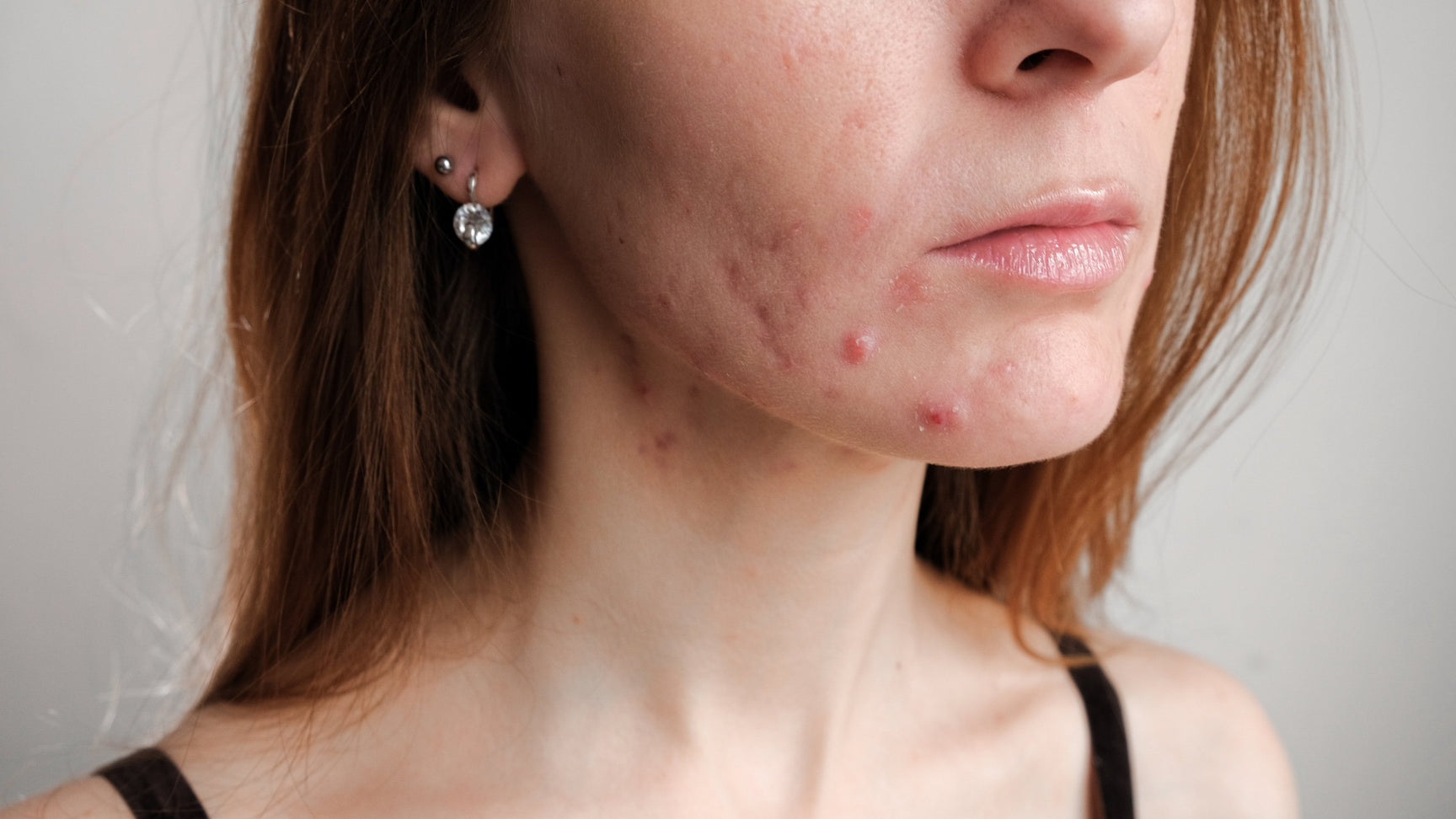
Acne has been around forever. So have the myths about it. From toothpaste spot treatments to the idea that you can scrub your way to clear skin, common acne misconceptions have been steering people in the wrong direction for decades. It's time to set the record straight. Here are the acne facts and myths you actually need to know.
This is one of the most persistent acne myths debunked by dermatologists over and over again. Acne is not caused by dirt. It's a complex condition driven by hormones, genetics, excess sebum production, and inflammation. When hair follicles become clogged with oil and dead skin cells, bacteria that already live on the skin (called Cutibacterium acnes) begin to multiply, which triggers the inflammatory response we recognize as a breakout.
Here's the irony. Scrubbing your face aggressively or washing it multiple times a day with harsh cleansers can actually make acne worse. Over-cleansing strips the skin barrier, triggers more oil production as a compensatory response, and increases irritation. A gentle, twice-daily cleanse is all most skin needs.
This is one of the most widespread acne facts and myths tangled together. The occasional slice of pizza is not going to cause a breakout. Research has not found a direct link between greasy or fried foods and acne.
That said, the relationship between diet and skin is more nuanced than a simple yes or no. Some studies suggest that high-glycemic foods, the kind that cause rapid spikes in blood sugar and insulin, may contribute to acne severity in certain individuals. Dairy products have also been flagged as a potential trigger for some people. But "may contribute" is very different from "causes." If you suspect a specific food is making your skin worse, tracking your diet and consulting a dermatologist is a much smarter approach than cutting out entire food groups based on internet advice.
Let's be honest. We've all been tempted. But popping pimples is one of the most counterproductive things you can do for acne-prone skin.
When you squeeze a blemish, you push bacteria, pus, and inflammation deeper into the surrounding tissue. That increases the risk of infection, worsens redness, and dramatically raises your chances of permanent scarring and post-inflammatory hyperpigmentation. Those dark marks left behind after a breakout heals? They often come from squeezing, not from the pimple itself.
The better move is to let the blemish heal on its own or use a targeted treatment that addresses the bacteria and inflammation without physical trauma to the skin.
Not even close. While hormonal changes during puberty make teenagers especially prone to breakouts, acne is far from a condition you simply "outgrow." More than 50% of women and roughly 25% of men experience acne between the ages of 25 and 45. Adult-onset acne is incredibly common, particularly among women dealing with hormonal fluctuations related to menstrual cycles, pregnancy, or perimenopause.
This is one of the common acne misconceptions that stops adults from seeking proper treatment. If you're dealing with breakouts in your 30s, 40s, or beyond, you're not alone, and your skin deserves the same science-backed approach as anyone else's.
A tan might temporarily mask the redness of a breakout, but that's where the "benefit" ends. UV radiation damages the skin, accelerates aging, dries out the surface layer (which signals your skin to produce even more oil), and raises your risk of skin cancer. Many acne treatments also increase sun sensitivity, making unprotected exposure even riskier.
The takeaway here is simple. Sun exposure is not a treatment for acne. A non-comedogenic SPF is a non-negotiable part of any good skincare routine, especially if you're managing breakouts.
It sounds logical, but it's another one of those acne myths debunked by science. Skipping moisturizer can leave your skin dehydrated. And when skin is dehydrated, it compensates by producing more oil, which leads to more clogged pores and more breakouts. It's a frustrating cycle.
Dermatologists recommend using a lightweight, oil-free, non-comedogenic moisturizer to support the skin barrier without adding excess oil. Keeping the barrier healthy is actually one of the most effective ways to reduce the frequency and severity of breakouts over time.
No. And any product claiming to deliver one is overselling. Effective acne management takes consistency and time. Most dermatologists advise using a treatment for at least 6 to 8 weeks before expecting significant, lasting improvement. Jumping from product to product every few days doesn't give anything enough time to work and can irritate the skin further.
This is where science-backed, long-term approaches make a real difference.
One of the most exciting developments in acne care isn't a cream or a pill. It's light. Red light therapy for acne has become one of the most clinically studied non-invasive approaches to managing breakouts, and it works through a completely different mechanism than traditional topical treatments.
Blue light therapy at 415nm penetrates the pore and destroys Propionibacterium acnes bacteria, one of the primary contributors to inflammatory acne. It also helps reduce excess sebum production. Red light therapy at 630nm calms visible inflammation and redness surrounding active breakouts, supporting the skin's healing process without drying or peeling.
Solawave's Bye Acne 3-Minute Spot Treatment combines both wavelengths in a targeted, FDA-cleared device. Blue light attacks the bacteria. Red light calms the inflammation. Neither strips moisture from the skin. It's a fundamentally different approach to blemish care, one that works with your skin's biology instead of against it.
And for overall skin health beyond just breakouts, the 4-in-1 Skincare Wand delivers red light therapy at 630nm alongside galvanic current, therapeutic warmth, and facial massage. It's designed to help visibly reduce inflammation, boost radiance, and support healthier-looking skin over time.
All Solawave devices are FDA-cleared, clinically tested, and backed by a 60-day money-back guarantee. Because clear skin should be built on science, not myths.
Results may vary. Individual results are not guaranteed.
No. Over-washing strips the skin barrier and can trigger more oil production, making breakouts worse. A gentle cleanse twice a day is enough for most skin types.
There is no direct scientific link between chocolate and acne. However, high-glycemic foods and dairy may contribute to breakout severity in some individuals.
Yes. Adult-onset acne is very common, especially in women. Hormonal changes, stress, and other factors can trigger breakouts at any age.
Yes. Red and blue light therapy are non-invasive, non-drying, and FDA-cleared for consumer use. They target bacteria and inflammation without stripping the skin barrier.
Most dermatologists recommend at least 6 to 8 weeks of consistent use before expecting significant improvement from any acne treatment, including topicals and light therapy.
Yes. Red light therapy targets mitochondria, not melanin, making it safe and effective across all Fitzpatrick skin types from I to VI with no risk of burns or hyperpigmentation.