Rated 4.7 out of 5 stars
4.7 / 5


726,000+ customers
Free 60-Day Returns
1-Year Warranty
726,000+ customers
Free 60-Day Returns
1-Year Warranty
Choosing the right anti-aging treatment can feel overwhelming. Retinoids vs red light therapy represents one of the most common debates in skincare today. Both approaches promise to reduce fine lines, boost collagen, and restore youthful radiance. Understanding how each treatment works can help you make the best decision for your skin.
Retinoids are vitamin A derivatives studied for decades. They remain among the most researched anti-aging compounds available. Retinoids for anti-aging work by speeding up cell turnover and promoting collagen production.
Retinoids can visibly reduce fine lines and wrinkles when used consistently over several months. The treatment strengthens the skin's protective barrier and supports moisture retention.
Retinoid therapy comes with a significant adjustment period. Research shows that local irritation affects approximately 19.8% of retinoid customers, while redness impacts nearly 10%. Common side effects include dryness, peeling, and increased sun sensitivity.
Many people experience the "retinoid uglies," a period of redness and peeling lasting up to a month.
Red light therapy for skin takes an entirely different approach. This treatment uses specific wavelengths of light to penetrate deep into the dermis and stimulate cellular energy production.
When red light photons reach skin cells, they activate mitochondria and enhance ATP production. According to the Cleveland Clinic, this process reduces inflammation and boosts collagen synthesis naturally.
A controlled trial in Photomedicine and Laser Surgery examined 90 patients who received red light treatments over four weeks. More than 90% reported noticeable improvements, including softer skin and reduced redness. Research in the Journal of the American Academy of Dermatology found that low-level red and infrared light increases collagen, elastin, and hyaluronic acid in skin cells.
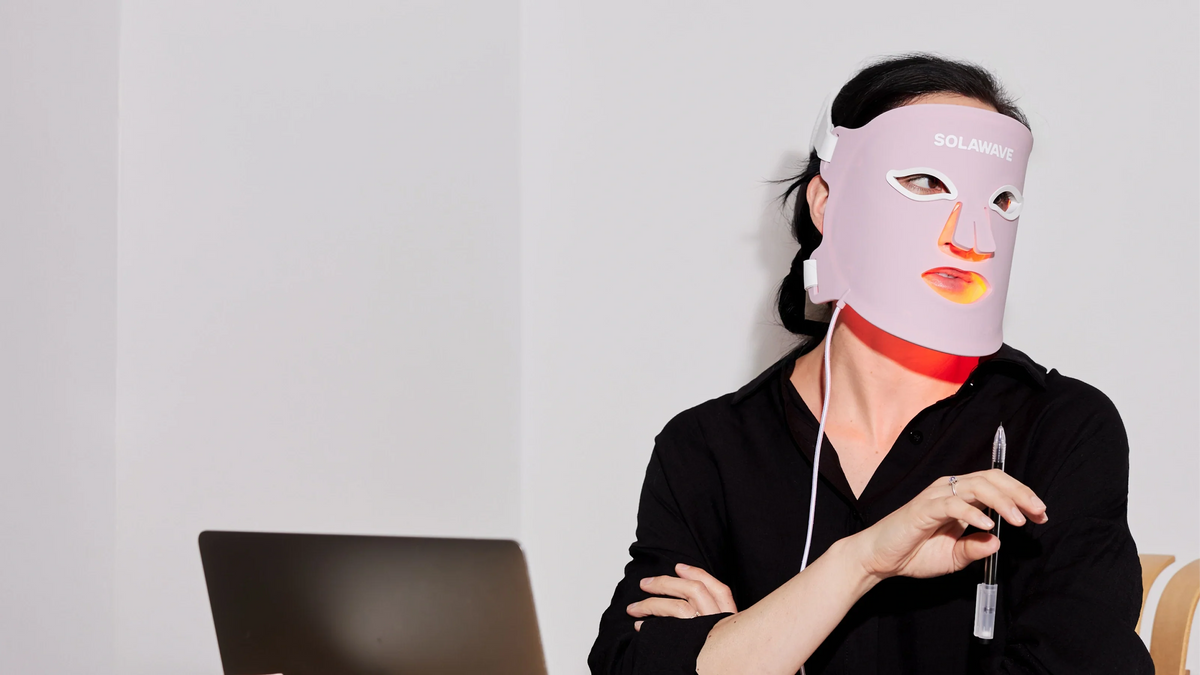
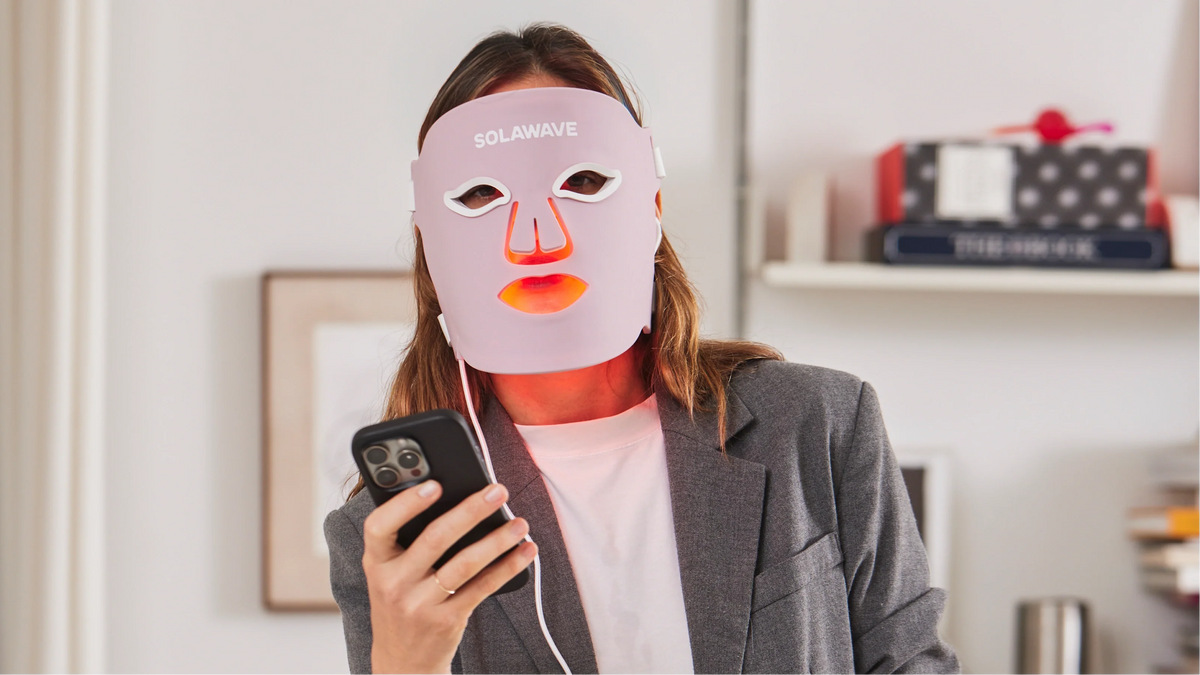
Unlike retinoids, red light therapy causes no irritation, no peeling, and no adjustment period. Customers can begin treatment immediately without worrying about sensitivity reactions. A red light therapy face mask delivers four clinically proven wavelengths in just three minutes per session.
When comparing red light vs retinol, several factors set these treatments apart.
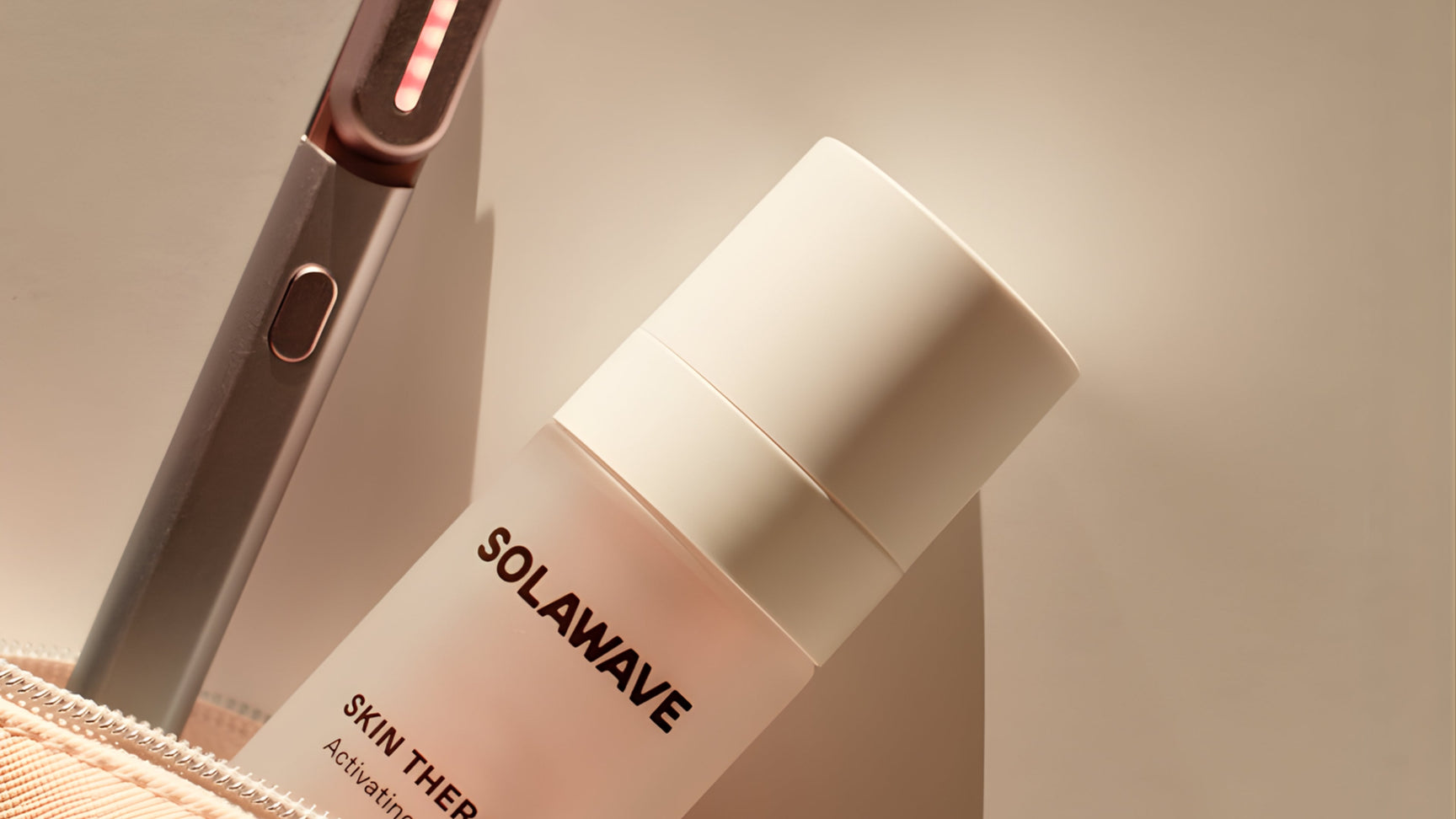
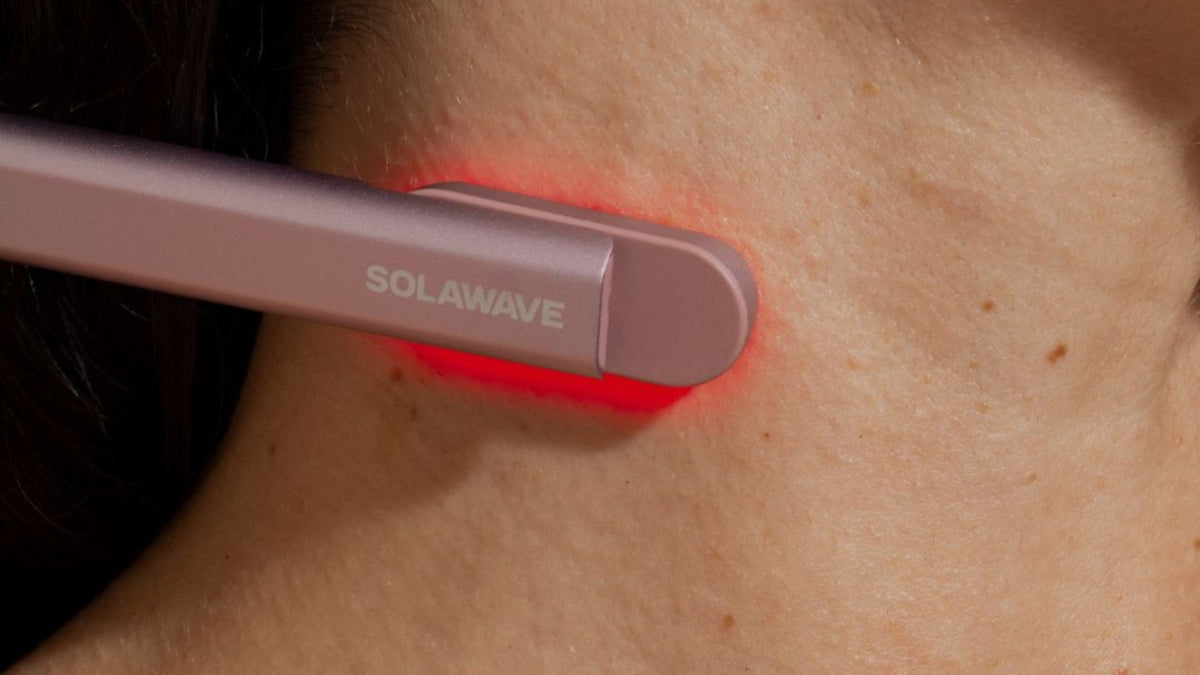
Retinoids primarily affect the epidermis and upper dermis. Red light therapy penetrates deeper, reaching the dermis where collagen production occurs. A red light therapy wand combines red light with therapeutic warmth and galvanic current when paired with a water-based serum.
Retinoids require weeks of adjustment and may never be tolerable for sensitive skin types. Red light therapy feels gentle from the first session with no purging period.
Both treatments require consistent use for visible results. With an LED face mask, customers can complete sessions in three minutes, making it easier to maintain 3 to 5 weekly treatments. Visible improvements typically appear within 8 weeks. Understanding how often to use LED face masks can help you build a sustainable routine.
Good news for those seeking the best anti-aging treatment for face concerns: combining retinoids and light therapy can deliver enhanced results when done correctly.
Red light therapy may help mitigate retinoid-induced irritation by accelerating skin barrier repair. Dermatologists recommend applying retinoids after red light sessions, not before. Spacing treatments 12 to 24 hours apart helps prevent compounding sensitivity.
The LightBoost Activating Serum pairs perfectly with the wand device. Learning what to apply before red light therapy can help you maximize each session.
For those seeking a gentle approach to anti-aging, red light therapy for skin offers compelling advantages. FDA-cleared devices provide clinically proven results without the adjustment period or irritation that retinoids can cause.
Customers with sensitive skin or those who have struggled with retinoid tolerance often find red light therapy to be the better choice. More brands are launching without FDA clearance and murky safety protocols, so purchasing something FDA-cleared matters for both safety and results.
Solawave creates FDA-cleared, award-winning light therapy devices backed by clinical research. With over 27 beauty awards and recommendations from dermatologists, Solawave makes professional-grade skincare accessible for home use. All devices are FSA/HSA eligible. Browse the complete collection to find what works for you.
When weighing retinoids vs red light therapy, both treatments offer legitimate anti-aging benefits through different mechanisms. Retinoids accelerate cell turnover but require tolerance building and come with potential irritation. Red light therapy stimulates collagen production at a deeper level with no adjustment period. For many customers, combining retinoids and light therapy delivers the best of both worlds when timed correctly.
Ready to add red light therapy to your routine? Shop Solawave devices today.
Yes, many customers successfully combine both treatments. Apply retinoids after your red light session, or space treatments 12 to 24 hours apart.
With consistent use 3 to 5 times per week, most customers notice visible improvements within 8 weeks.
Red light therapy is FDA-cleared and works safely on all skin types. Unlike retinoids, there are no contraindications based on skin sensitivity.
The wand requires a water-based serum for proper conductivity. The LED face mask can be used on clean, dry skin without additional products.
Red light therapy is typically the better choice for sensitive skin. It causes no irritation, peeling, or adjustment period.
 Skincare Devices