Rated 4.7 out of 5 stars
4.7 / 5
Wrinkle Retreat Pro Face Mask


726,000+ customers
Free 60-Day Returns
1-Year Warranty
726,000+ customers
Free 60-Day Returns
1-Year Warranty
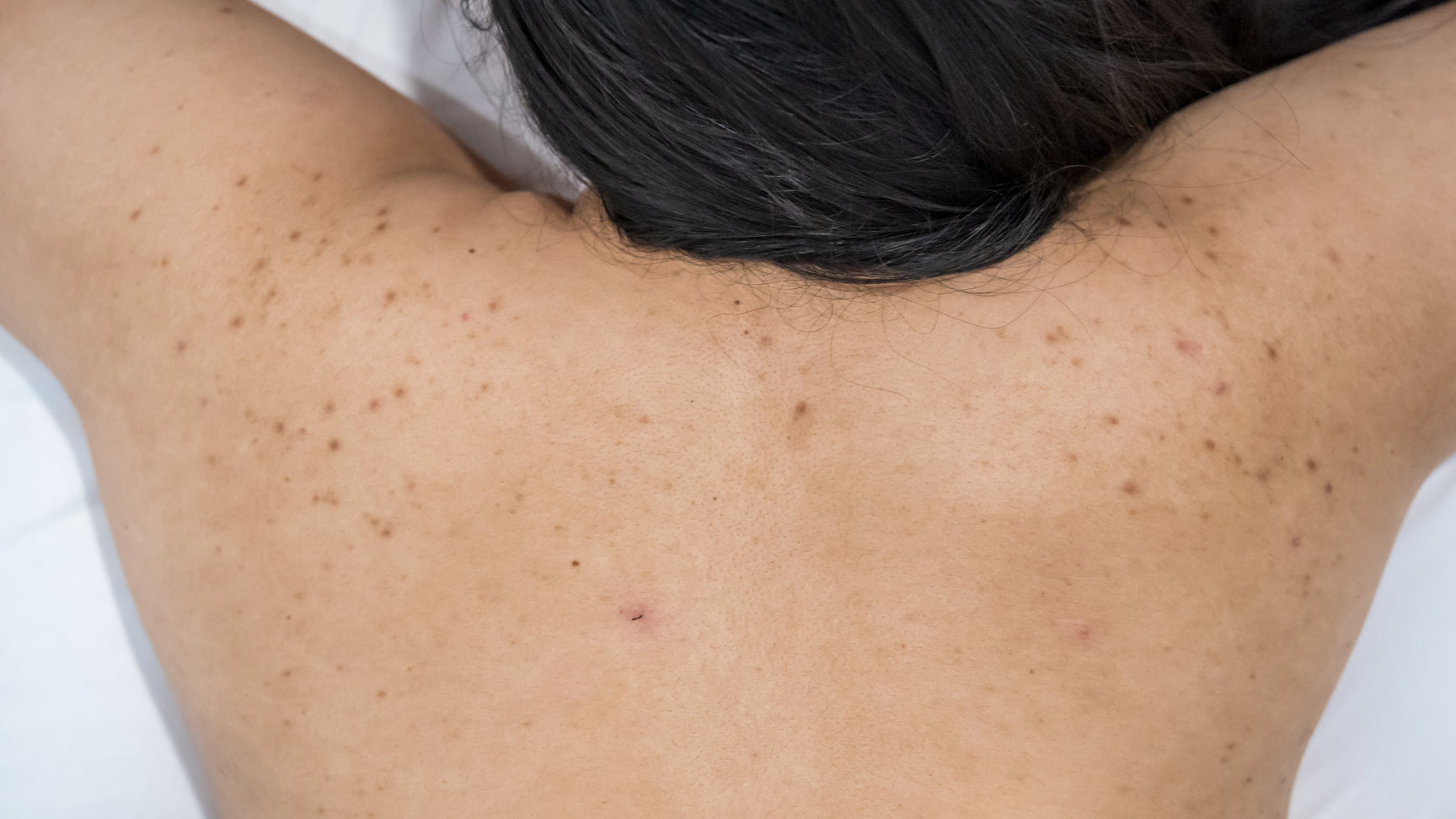
Those bumps on your back that seem to show up at the worst possible times? They have a name. It's bacne, and it's way more common than you probably think. Millions of Americans deal with it, and it doesn't care about your age, your gender, or how diligent your face care routine is. The good news is that once you understand what's happening beneath the surface, managing it gets a whole lot easier.
Bacne is simply acne that develops on your back, shoulders, and upper torso. It follows the same basic process as facial acne. Your skin's pores get clogged with a combination of excess oil (called sebum), dead skin cells, and bacteria. When that buildup gets trapped inside the pore, inflammation kicks in and a breakout follows.
But here's what makes back acne different. The skin on your back is thicker, harder to reach, and constantly covered by clothing. According to the Cleveland Clinic, back acne is one of the most common breakout areas after the face, and it affects people of all ages.
Not all back acne looks the same. Understanding the different bacne types can help you figure out how serious your breakouts are and what kind of treatment approach makes sense.
Whiteheads are closed comedones that sit just beneath the skin's surface. They appear as small white or flesh-toned bumps. The pore is clogged, but the opening stays sealed.
Blackheads are open comedones. The pore is clogged, but it's exposed to air, which oxidizes the trapped oil and turns it dark. They're not caused by dirt, despite what the name suggests.
Papules are small, inflamed red bumps that feel tender to the touch. They don't have a visible "head" and are an early sign that bacteria and inflammation are involved.
Pustules look like papules but with a white or yellow pus-filled tip. These are what most people picture when they think of a classic pimple.
Nodules are large, hard lumps embedded deep beneath the skin. They're painful, and they don't come to a head the way surface-level breakouts do.
Cysts are the most severe form. These are deep, pus-filled lesions that carry a high risk of permanent scarring. According to the National Institute of Arthritis and Musculoskeletal and Skin Diseases, severe nodular and cystic acne almost always requires professional dermatological care.
The back acne causes that trigger breakouts usually fall into a few key categories. Most of the time, it's a combination of factors rather than just one.
Learning how to prevent bacne is largely about consistent habits. You may not be able to eliminate every breakout, but you can significantly reduce how often they happen and how severe they get.
This is the single most impactful habit you can build. Don't let sweat-soaked clothes sit against your skin any longer than necessary. If you can't shower immediately, change into clean, dry clothing as soon as possible.
Loose-fitting, moisture-wicking materials like cotton help reduce friction and let your skin breathe. Tight synthetic fabrics trap heat and moisture against the back, which is a recipe for breakouts.
Harsh scrubbing and abrasive tools can actually irritate the skin and worsen inflammation. A mild, oil-free body wash that won't clog pores is a better approach.
When you condition your hair in the shower, make sure the product rinses off your back completely. Many conditioners and hair masks leave a film that settles into pores.
Bacteria build up on linens faster than you'd think. Clean bedding and towels reduce the chance of reintroducing bacteria to your skin overnight.
This is tough advice to follow, but popping back acne pushes bacteria deeper into the skin and dramatically increases the risk of scarring.
If you've been exploring non-invasive, non-drying options for managing breakouts, red light therapy is worth understanding. Specific wavelengths of LED light interact with skin cells at the mitochondrial level, supporting the production of ATP, the energy molecule that powers cellular repair and regeneration.
Red light at 630nm has been studied for its ability to help modulate inflammatory pathways in the skin, which is relevant because inflammation is a core driver of acne. By calming the skin's inflammatory response, red light therapy can help reduce the redness and irritation that accompany active breakouts without stripping moisture or causing dryness.
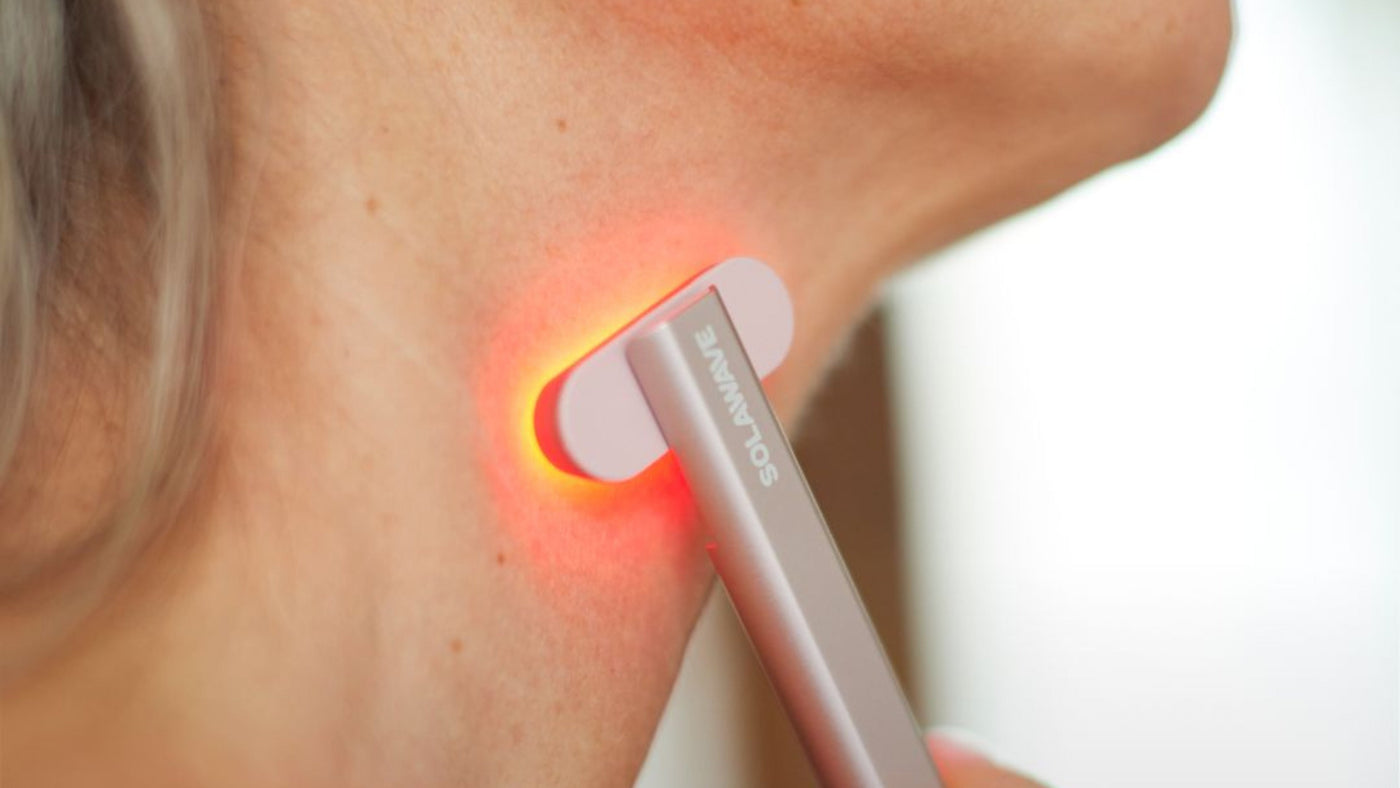
This is one of the reasons the Solawave 4-in-1 Skincare Wand has become popular with people managing breakout-prone skin. Its 630nm red light therapy works alongside therapeutic warmth and facial massage to calm and refresh the skin. And because red light targets mitochondria rather than melanin, it's safe and effective across all skin tones, including Fitzpatrick types IV through VI.
For a deeper look at how red light therapy fits into an acne-focused routine, Solawave's guide on red light therapy for acne breaks down the science and practical applications. You can also explore their resource on why red light therapy is becoming a go-to for breakout-prone skin.
Not all bacne needs a doctor's visit, but some cases do. If your breakouts are severe, persistently painful, or leaving scars, talk to a board-certified dermatologist. The same goes for deep nodules or cysts that don't respond to over-the-counter treatments within six weeks. A dermatologist can prescribe targeted treatments depending on the root cause of your back acne.
Bacne is common, treatable, and nothing to feel embarrassed about. The more you understand what's causing it, the better equipped you are to take control.
Not necessarily. While keeping skin clean helps, bacne is primarily driven by excess oil production, hormonal changes, and genetics. Even people with excellent hygiene habits can experience back breakouts.
Nodules and cysts carry the highest risk of permanent scarring because they develop deep beneath the skin's surface. Avoid picking or squeezing these lesions, and see a dermatologist for proper treatment.
Yes. Tight, non-breathable fabrics trap sweat and heat against the skin, creating friction that clogs pores. Dermatologists call this acne mechanica. Switching to loose, moisture-wicking clothing can make a noticeable difference.
Some research suggests that high-glycemic foods and excessive dairy may contribute to increased oil production in certain people. While diet alone doesn't cause bacne, it can be a contributing factor worth discussing with your doctor.
It depends on severity. Mild cases may improve within a few weeks with consistent cleansing habits. Moderate to severe back acne can take several months of treatment. Patience and consistency are key.
Red light therapy at 630nm is non-invasive, UV-free, and does not dry out the skin. It works by supporting cellular energy and modulating inflammation, making it a gentle option for breakout-prone skin across all skin tones.