Rated 4.7 out of 5 stars
4.7 / 5
Wrinkle Retreat Pro Face Mask


726,000+ customers
Free 60-Day Returns
1-Year Warranty
726,000+ customers
Free 60-Day Returns
1-Year Warranty
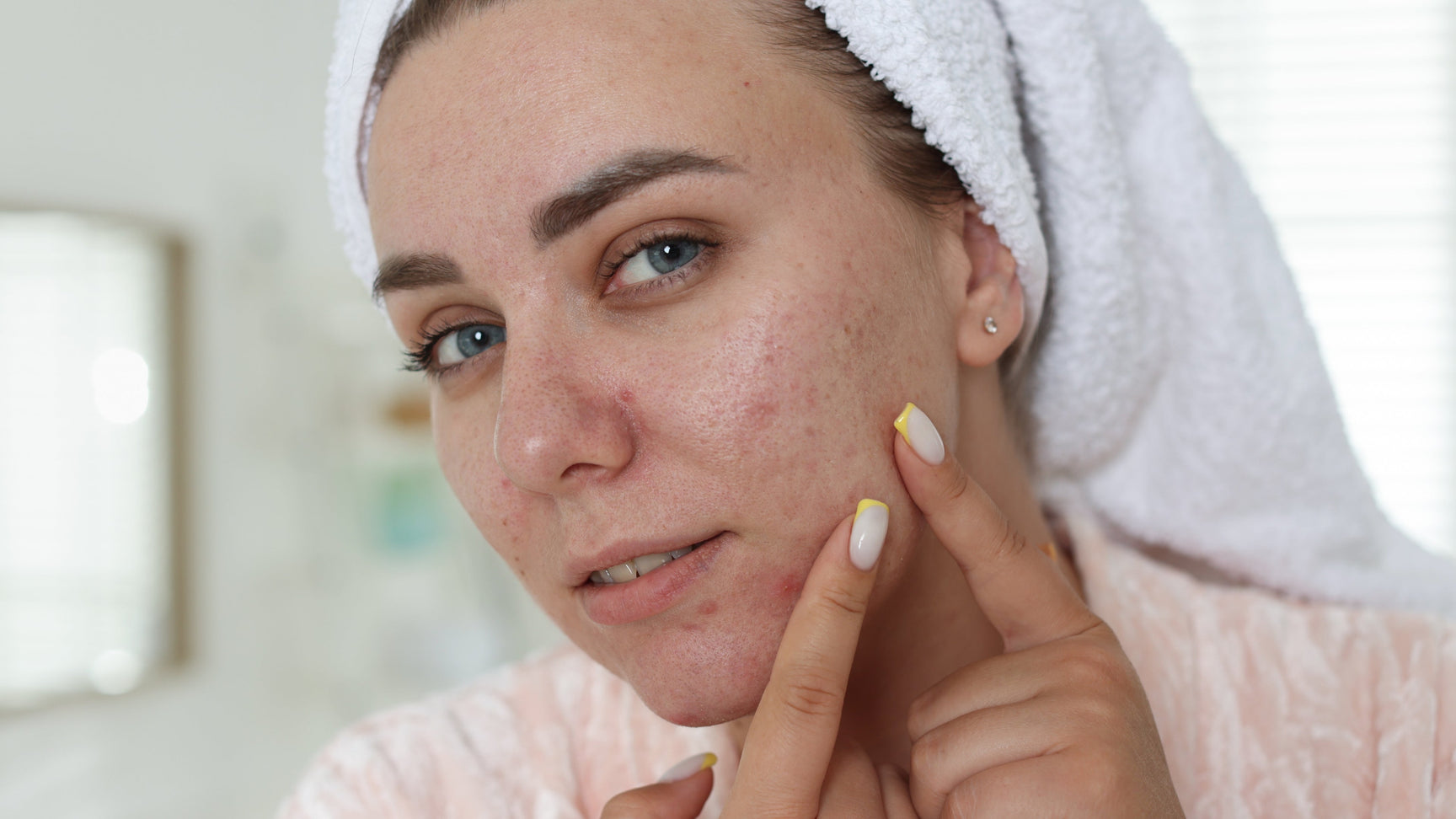
You wake up, look in the mirror, and there it is. A pimple that showed up uninvited and refuses to leave. Your fingers are already twitching. But before you squeeze, let's talk about what's really going on and why there's a much better way to handle it.
The honest answer is no. And it's not just us saying that. The American Academy of Dermatology recommends leaving pimples alone because popping them at home almost always makes things worse.
Here's the thing. When you squeeze a pimple, you're not just getting the gunk out. You're actually pushing some of it deeper into your skin. That causes more redness, more swelling, and more pain. And in some cases, it leads to dark marks or scars that stick around way longer than the pimple ever would have.
Is it bad to pop pimples? Yes. It can turn a three-day problem into a three-month one.
A pimple is basically a clogged pore filled with oil, dead skin, and bacteria. There's pressure building under the surface. When you squeeze, some of that stuff comes out, sure. But some of it also bursts deeper into the surrounding skin.
That's when the real trouble starts. Your skin gets more inflamed. The area swells up. What was a small bump yesterday is now a red, angry mess that's twice the size. And according to Northwestern Medicine, popping a pimple can cause lasting pigment changes that end up being more annoying than the original breakout ever was.
If you have a deeper skin tone, this part is especially worth knowing. Those dark marks from post-inflammatory hyperpigmentation can hang around for months. Sometimes even longer. So that quick squeeze in the mirror could leave behind a visible reminder you really didn't ask for.
Look, we're being realistic here. Sometimes you're going to do it anyway. So if you must, here's how to pop a pimple safely and keep the damage to a minimum.
First, wait until the pimple has a clear white head. If it's still red, flat, or painful with no visible tip, it's not ready. Squeezing too early only pushes everything deeper.
Start by holding a warm, clean washcloth against the spot for a few minutes. This softens the skin and helps bring the contents closer to the surface. Then, using clean hands wrapped in tissue, apply gentle pressure around the pimple. Not on top of it. Around it. If nothing comes out easily, stop. Forcing it will only cause damage.
After, hold a piece of ice against the area to calm the swelling.
One important rule. Skip the needles, pins, and DIY extraction tools. Unsterilized tools at home are a fast way to end up with an infection or a scar that lasts way longer than any pimple would.
Here's where things get interesting. Instead of squeezing and hoping for the best, there are ways to actually calm a breakout without touching it at all. No picking. No poking. No next-day regret.
Red light therapy has become one of the most talked-about options for managing breakouts, and for good reason. Red light at 630 nm works by boosting your skin cells' natural energy production. Think of it like giving your cells a little extra fuel to do their job better. When your cells have more energy, they can repair and recover faster. That means the redness and swelling from a breakout can calm down on their own, without you squeezing, picking, or drying out your skin with harsh treatments.
The best part? It's completely painless, non-invasive, and safe for every skin tone. Red light therapy targets your cells, not your melanin. So there's no risk of burns or hyperpigmentation, no matter where you fall on the Fitzpatrick scale.
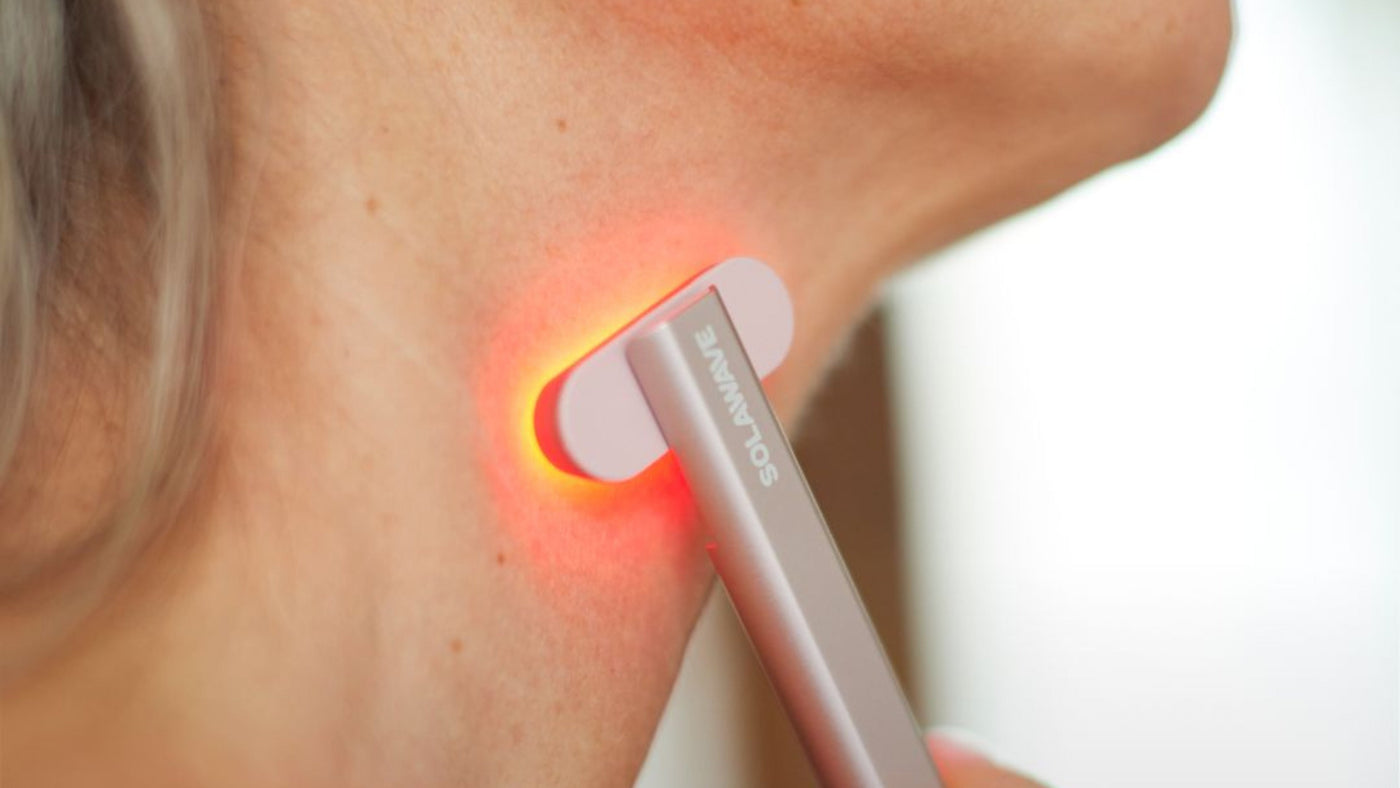
You don't need a dermatologist appointment every time a pimple pops up. The Solawave 4-in-1 Skincare Wand brings four skin-friendly technologies into one simple device that fits right into your routine.
Red light therapy at 630 nm helps calm visible redness and supports your skin's natural recovery. Therapeutic warmth gently de-puffs and boosts circulation. Galvanic current drives hydrating ingredients like hyaluronic acid deeper into the skin so they actually work. And facial massage helps with lymphatic drainage, leaving skin looking less congested and more alive.
That last point matters more than people think. One of the biggest mistakes with breakouts is going overboard with drying products. When your skin gets stripped of moisture, it fights back by producing even more oil, which leads to more clogged pores, which leads to more pimples. The 4-in-1 Skincare Wand takes the opposite approach. It calms inflammation and keeps skin hydrated at the same time. Twelve minutes for a full-face treatment, 3 to 5 times per week.
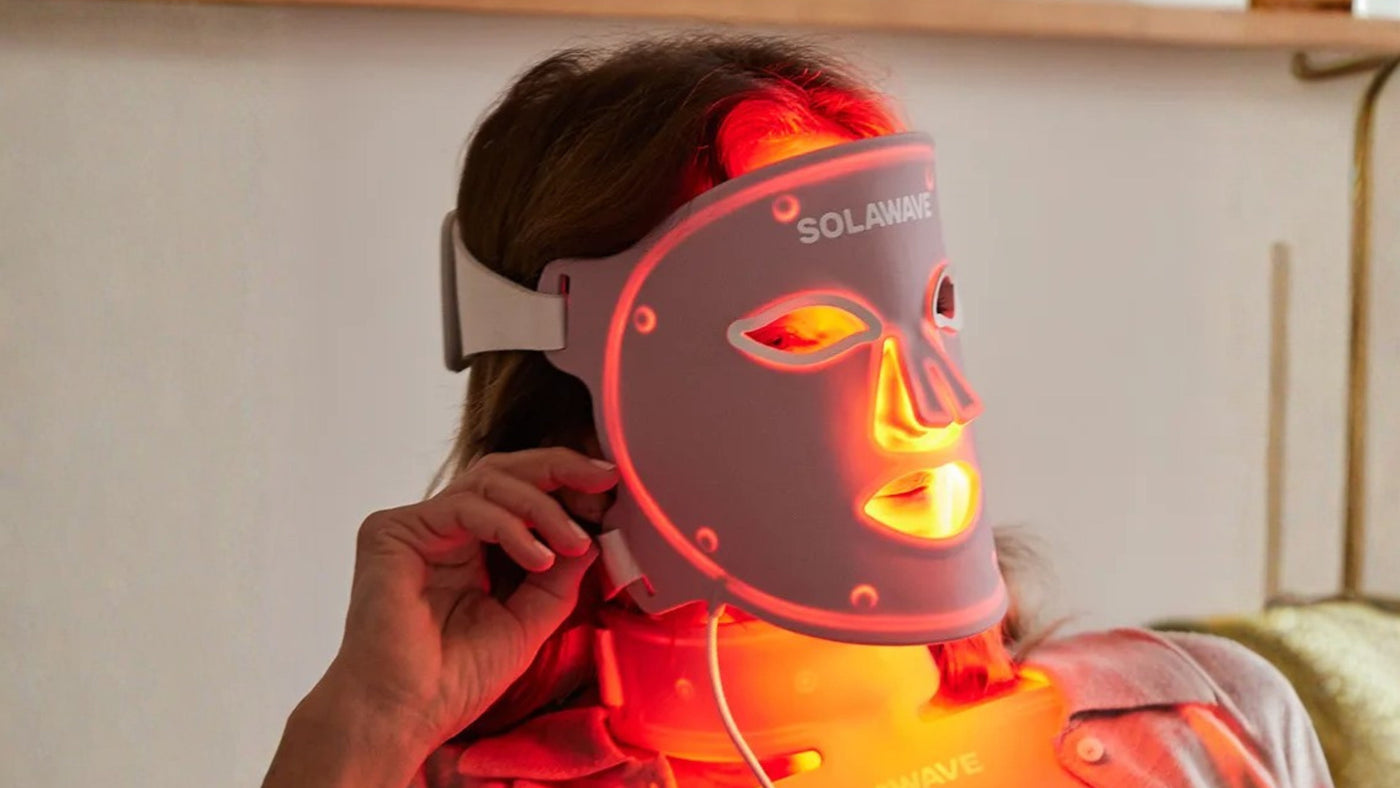
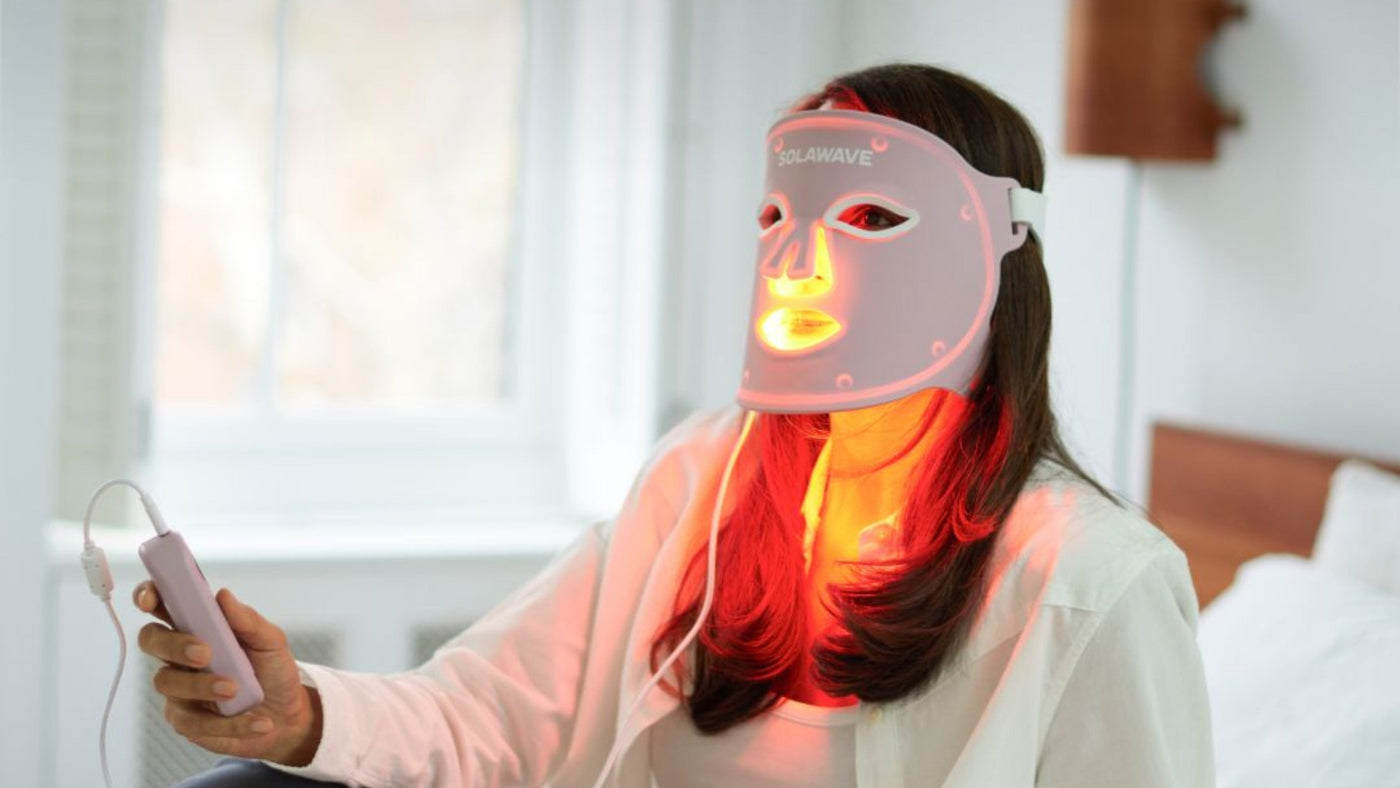
For a hands-free option that covers everything at once, the Wrinkle Retreat Pro LED Face Mask delivers four therapeutic wavelengths across 320 LEDs. Red light and deep red support your skin's natural repair processes. Amber light helps visibly calm redness and even out your tone. And near-infrared goes deepest to support overall skin vitality. Three minutes per session. That's it.
A pimple in the mirror is temporary. A scar or dark mark from squeezing it? That can stick around for months. The smartest move for a breakout is to leave it alone and let your skin heal on its own terms, with a little help from the right tools.
Your skin is tougher (and smarter) than you think. Give it what it needs and trust the process. Results may vary. Individual results are not guaranteed.
Even with a whitehead, popping carries risk. Squeezing can push bacteria deeper and cause scarring. If you must, use a warm compress first, apply gentle pressure, and stop if nothing comes out easily.
Yes. Clean hands reduce infection risk, but the real problem is the pressure itself. Squeezing can rupture the pore wall beneath the surface and lead to more inflammation, dark marks, or scars.
Most surface pimples heal within 3 to 7 days when left alone. Deeper cysts can take a few weeks. Keeping the area clean, hydrated, and hands-free helps speed things along.
Red light at 630nm supports your skin cells' energy production, which helps calm visible inflammation and redness. It's non-invasive, painless, and safe for all skin tones.
Red light therapy is a non-invasive tool that can complement your existing skincare routine. It's not a replacement for prescription treatments. If your acne is persistent or severe, it's always a good idea to talk to a dermatologist.
The number one rule is to avoid picking and squeezing. Keep skin hydrated, use gentle products, and consider non-invasive tools like red light therapy to support your skin's natural healing without added irritation.