Rated 4.7 out of 5 stars
4.7 / 5


726,000+ customers
Free 60-Day Returns
1-Year Warranty
726,000+ customers
Free 60-Day Returns
1-Year Warranty
Back acne doesn't care about your plans. It shows up before vacations, ruins your confidence in open-back tops, and seems to get worse no matter what body wash you try. The good news? The right skincare ingredients for acne can make a real difference when you know what to look for and how they actually work.
Before jumping into ingredients, it helps to understand why back acne behaves differently than facial breakouts. The skin on your back is thicker than facial skin and has a higher concentration of sebaceous glands. That means more oil production, more opportunities for pores to get clogged, and a tougher barrier for treatments to penetrate.
According to the Cleveland Clinic, back acne typically develops when sweat gets trapped under clothing during exercise or physical activity. Friction from shirts, backpacks, and workout gear rubs against sweaty skin, pushing dirt and oil deeper into pores. Add in hormonal fluctuations, stress, and even residue from hair conditioner running down your back in the shower, and you've got a recipe for persistent breakouts.
The takeaway? Treating back acne requires ingredients that can cut through thicker skin, manage oil production, and calm inflammation without stripping the skin barrier.
Not all acne-fighting ingredients are created equal, and what works on your face may not be strong enough for your back. Here are the clinically backed skincare ingredients for acne that dermatologists recommend for body breakouts.
If you're wondering how to treat bacne naturally without harsh chemical treatments, a few options have real science behind them.
Tea Tree Oil has natural antibacterial and anti-inflammatory properties that can help reduce acne-causing bacteria on the skin's surface. Studies suggest it can be effective for mild breakouts, though it works more slowly than benzoyl peroxide. Always dilute it before applying to skin.
Keeping the skin barrier healthy is another underrated approach. Overwashing or scrubbing the back with abrasive tools can actually make acne worse by stripping the skin's protective barrier and triggering more oil production. Gentle, fragrance-free cleansers paired with non-comedogenic moisturizers help keep the skin balanced.
And then there's the technology angle, which is where things get interesting.
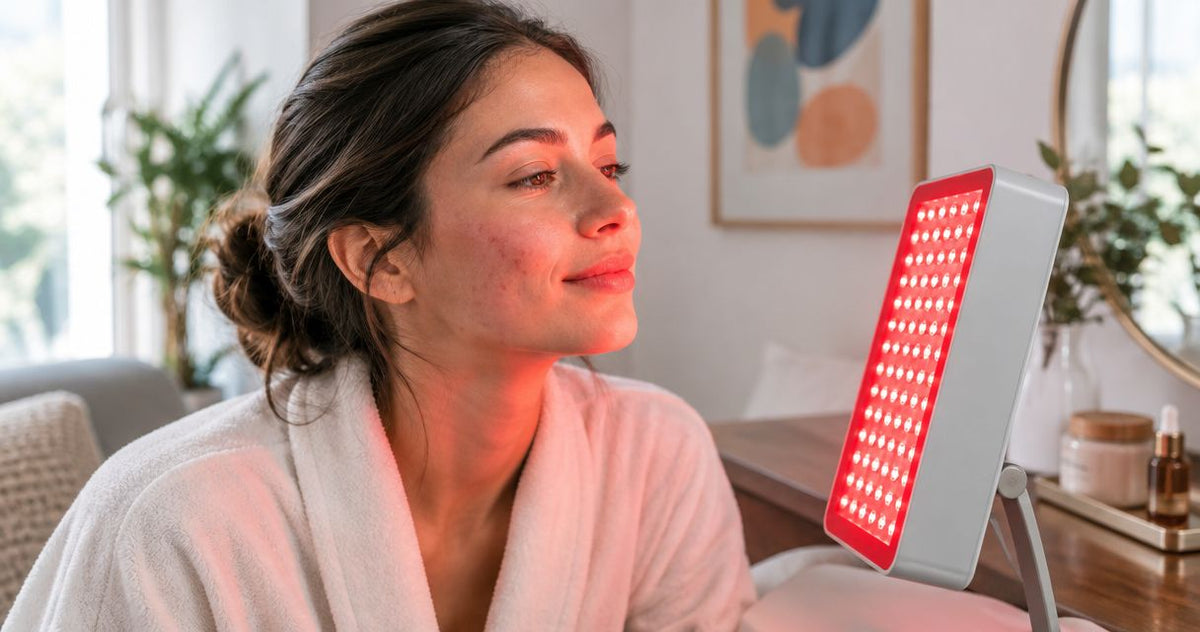
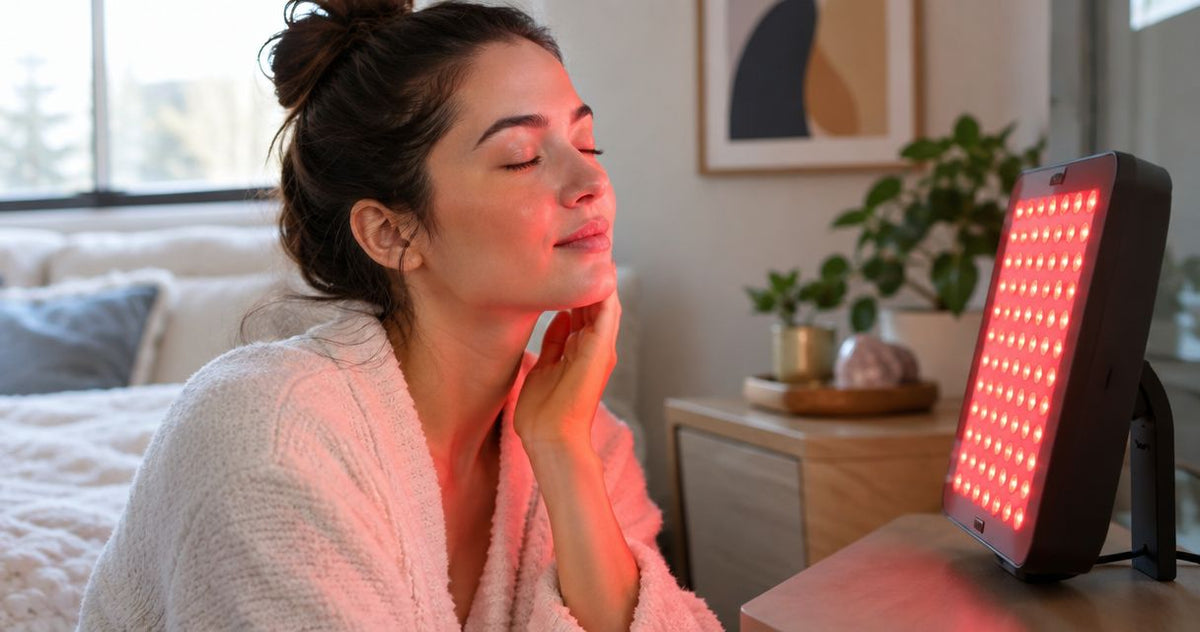
Red light therapy has become one of the most talked-about approaches for supporting acne treatment, and for good reason. Research published in PubMed Central highlights light-based therapies as an evolving area of acne treatment, with red light specifically shown to help modulate inflammatory pathways and support skin healing.
Here's how it works. Red light at 630nm is absorbed by the mitochondria inside skin cells, triggering increased production of ATP (the energy molecule that powers cellular functions). With more energy available, inflammatory responses are calmed, skin cells repair faster, and the healing process for post-acne marks is supported.
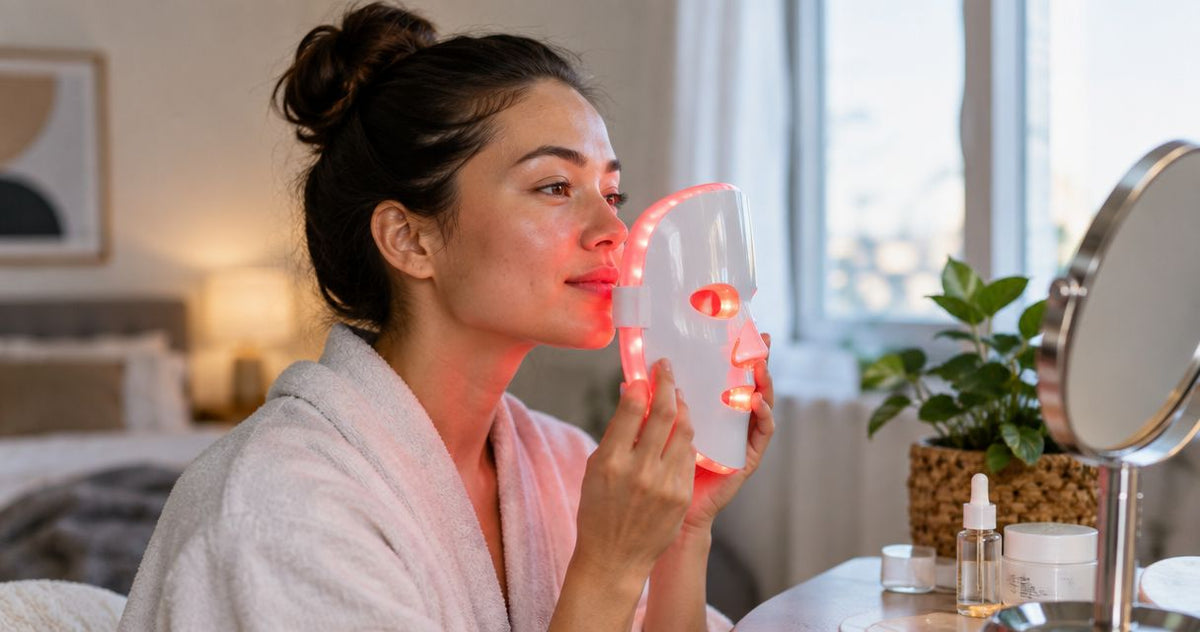
Blue light therapy at 415nm takes a different approach. It targets the P. acnes bacteria directly, penetrating the pore and destroying the organisms that drive inflammatory breakouts. It also helps reduce excess sebum production.
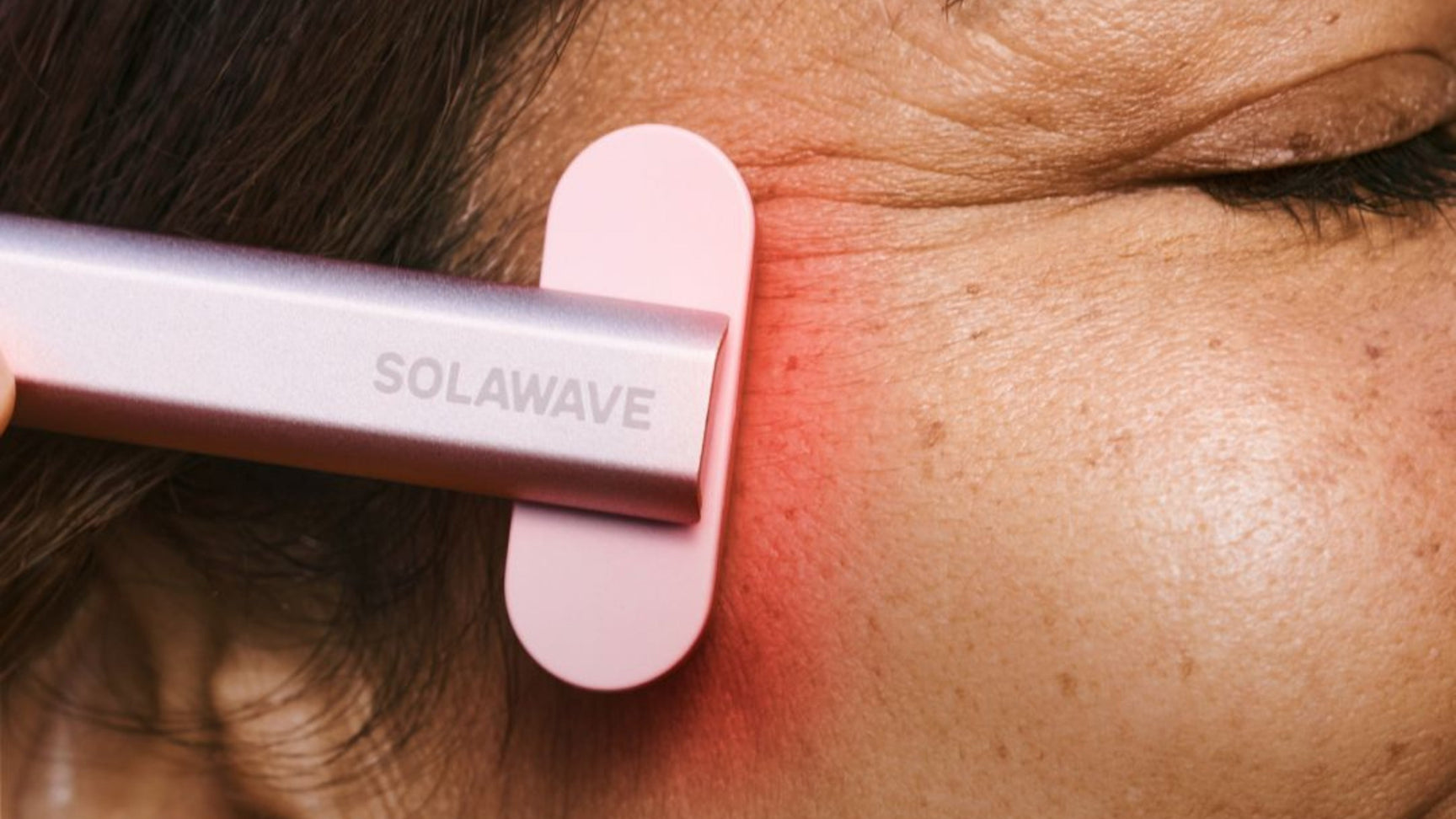
When used together, red and blue light therapy address acne from two angles. Blue light kills the bacteria. Red light calms the inflammation. Neither dries out the skin the way harsh topical actives can. For those already using the Solawave 4-in-1 Skincare Wand, the 630nm red light built into the device also supports calming visible redness and inflammation around breakouts on the face.
Solawave's Bye Acne 3-Minute Pimple Spot Treatment combines both blue light (415nm) and red light (630nm) in an FDA-cleared, targeted device. It's designed to treat individual breakouts without the drying, peeling side effects of traditional spot treatments. For anyone dealing with back acne spots that resist topical ingredients, light therapy offers a non-irritating alternative worth adding to the routine.
Want to learn more about how light therapy supports acne-prone skin? This guide breaks down the science in detail.
Even the best ingredients for back acne won't work if daily habits keep triggering breakouts. A few simple changes go a long way.
Shower and change clothes as soon as possible after sweating. Trapped sweat mixed with friction is one of the biggest drivers of back breakouts. Wear loose, breathable fabrics like cotton or moisture-wicking material during workouts.
Wash your back last in the shower. Shampoo and conditioner residue can leave a pore-clogging film on the back. Rinsing your body after washing your hair ensures that residue gets cleared away.
Use non-comedogenic, oil-free products on areas prone to breakouts. And resist the urge to scrub. Aggressive exfoliation irritates the skin and can make acne worse. Gentle cleansing combined with targeted, science-backed actives is always the smarter play.
If over-the-counter treatments don't show improvement in six to eight weeks, it's worth seeing a dermatologist. With the right combination of ingredients, habits, and technology, clearer skin on your back is absolutely within reach.
Results may vary. Individual results are not guaranteed.
Salicylic acid, benzoyl peroxide, niacinamide, retinoids, and azelaic acid are all clinically backed for treating back acne. Each targets different aspects of breakouts, from clogged pores to bacteria to post-acne dark spots.
Red light at 630nm calms inflammation and supports faster skin cell repair. When combined with blue light at 415nm, which kills acne-causing bacteria, the two wavelengths address breakouts without drying or irritating the skin.
Tea tree oil offers natural antibacterial properties for mild breakouts. Maintaining a healthy skin barrier with gentle, fragrance-free products and avoiding over-scrubbing also supports clearer skin over time.
The skin on your back is thicker and has more sebaceous glands, which means more oil production and tougher penetration for treatments. Sweat trapped under clothing and friction from backpacks also contribute to persistent breakouts.
Yes. Light therapy works through a different mechanism than topical ingredients, making it a complementary addition to a routine that includes salicylic acid, benzoyl peroxide, or retinoids. Always consult your dermatologist for personalized advice.
Most dermatologists say to expect visible improvement in six to eight weeks with consistent treatment. Complete clearing may take three to four months. If you don't see any change after two months, consult a dermatologist.
 Clear Skin