Rated 4.7 out of 5 stars
4.7 / 5


726,000+ customers
Free 60-Day Returns
1-Year Warranty
726,000+ customers
Free 60-Day Returns
1-Year Warranty
You notice a red bump on your face and immediately call it a pimple. But is it acne? While these terms are often used interchangeably, there is a meaningful difference between acne and pimples that affects how you should approach treatment. Understanding this acne and pimple difference can help you make better decisions about your skincare routine and when to seek professional guidance.
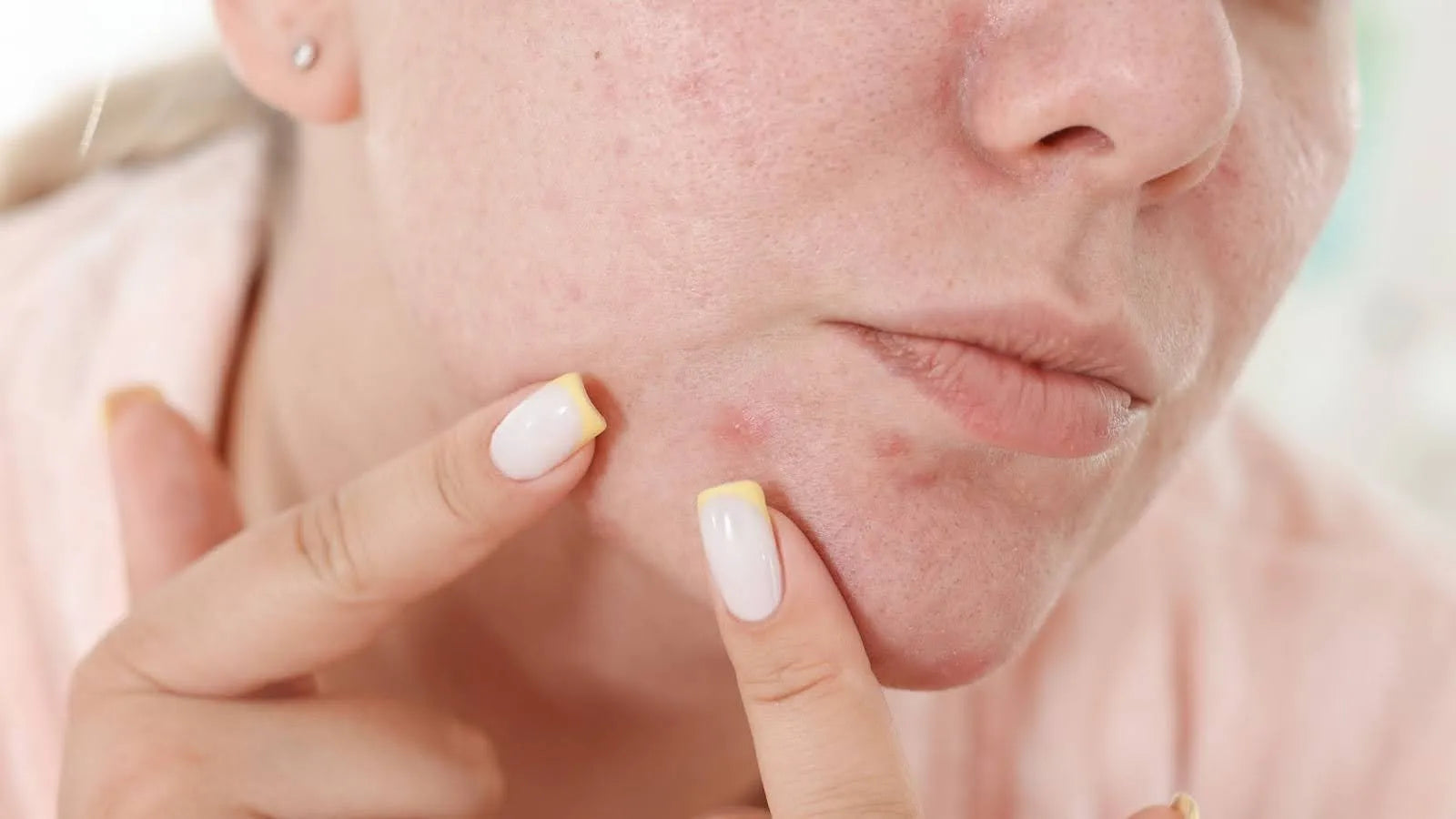
A pimple is a single, inflamed spot on your skin. When a pore becomes clogged with excess oil (sebum), dead skin cells, and bacteria, inflammation occurs, resulting in a visible blemish. Pimples typically appear as small, red bumps, sometimes with a white or yellow center filled with pus.
Pimples can happen to anyone, regardless of whether they have an ongoing skin condition. You might develop an occasional pimple from sweating after a workout, sleeping with makeup on, or during hormonal changes. Most pimples resolve on their own within a few days to a week with proper skincare.
Pimples can manifest in several forms:
Acne is a chronic inflammatory skin condition, not just a single breakout. According to the American Academy of Dermatology, acne affects approximately 50 million Americans annually, making it one of the most common skin conditions.
While a pimple is an isolated incident, acne involves recurring breakouts over time. Medical sources define acne as a disease where pimples are one of its symptoms. Acne typically requires long-term management and may need professional intervention.
Acne develops when hair follicles become clogged with oil and dead skin cells. Several factors contribute to this chronic condition:
The fundamental difference between acne and pimples lies in their nature. A pimple is a symptom, a single blemish that appears and resolves relatively quickly. Acne, on the other hand, is the underlying medical condition characterized by multiple, recurring breakouts that may include various types of lesions like blackheads, whiteheads, papules, pustules, nodules, and cysts.
According to dermatology experts, if you have one or two inflamed blemishes, you have pimples. But if you experience clusters of breakouts that persist over time, you have acne.
Dermatologists generally consider it acne when:
Understanding the acne vs pimple distinction is crucial because treatment approaches vary significantly.
Occasional pimples often respond well to:
The 4-in-1 Skincare Wand combines red light therapy with galvanic current, therapeutic warmth, and facial massage for targeted treatment. The wand requires a water-based serum like the LightBoost Activating Serum to work properly and activate all four technologies.
Chronic acne requires a more comprehensive approach:
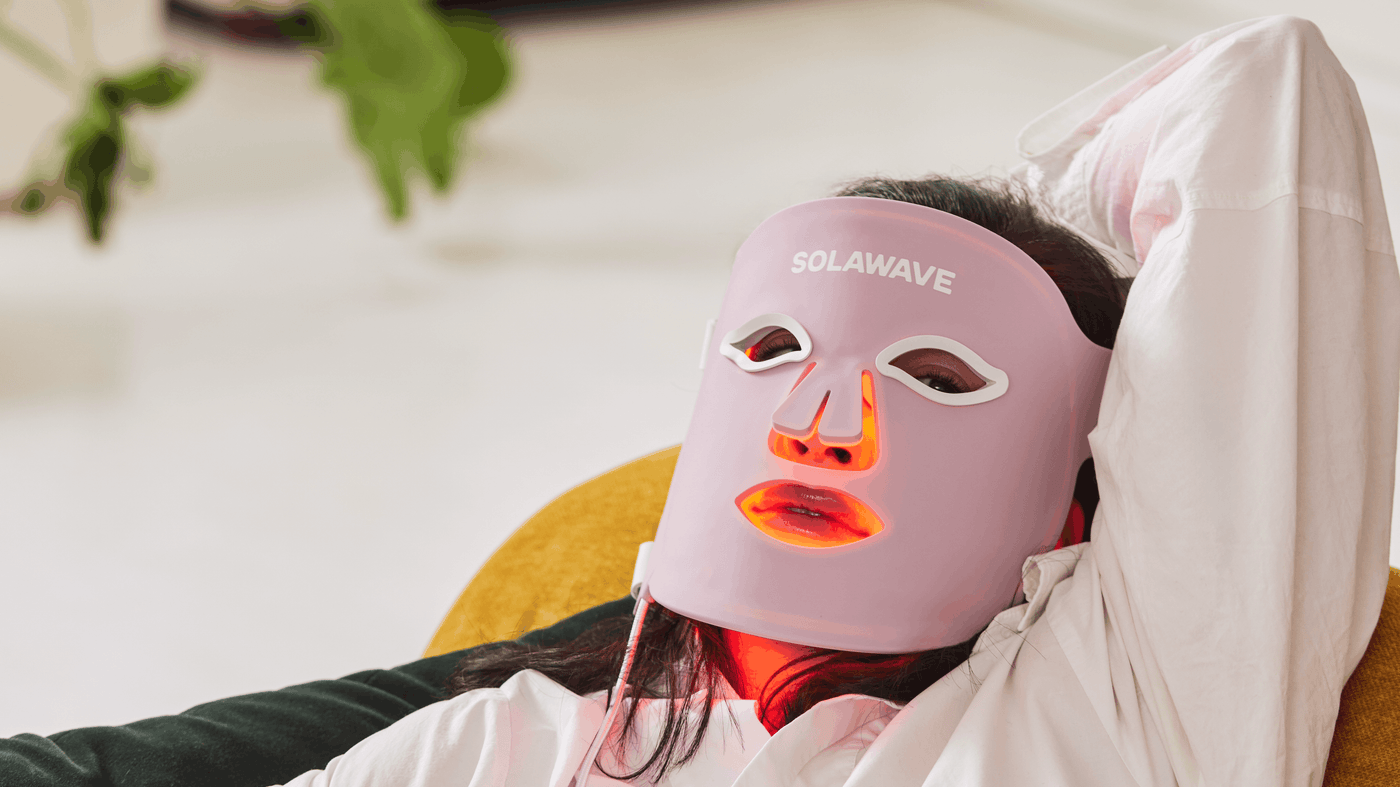
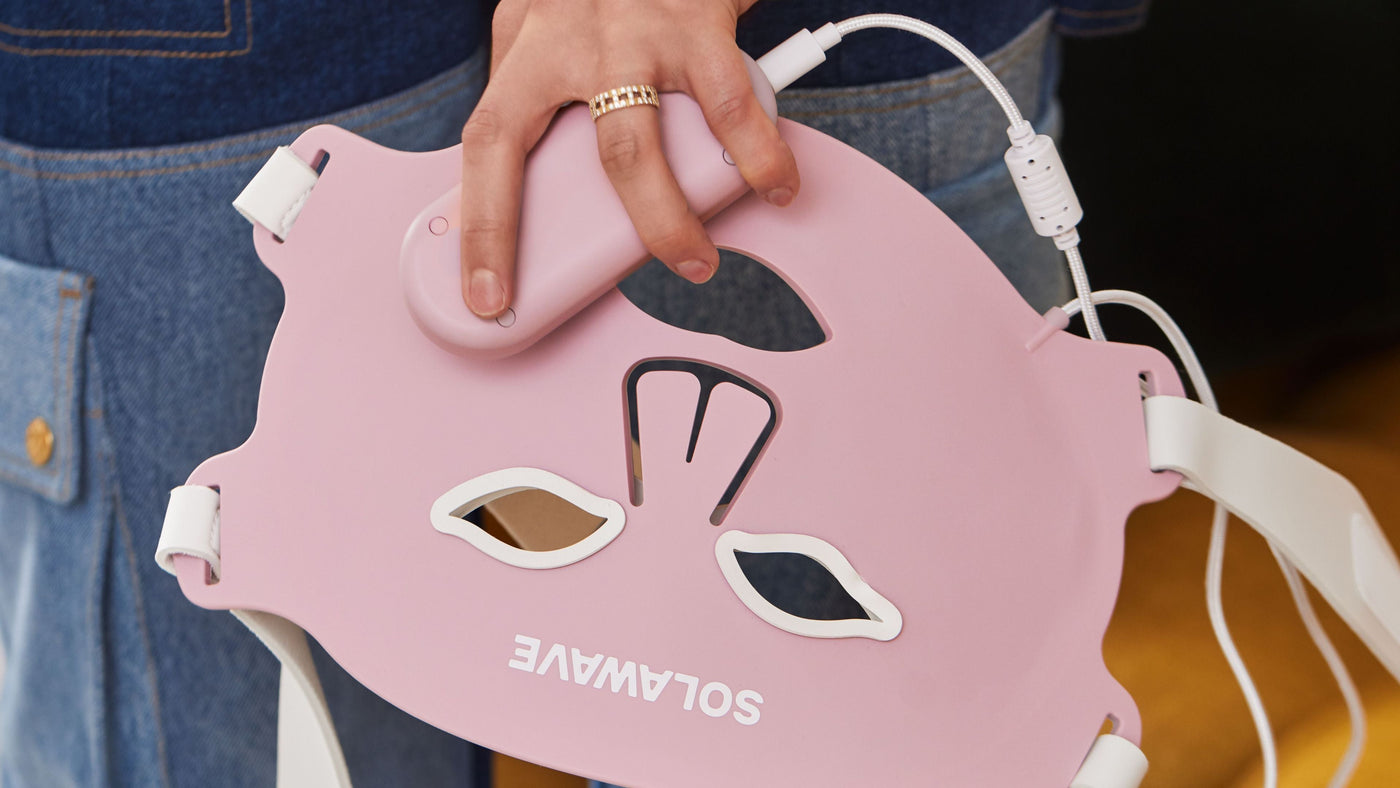
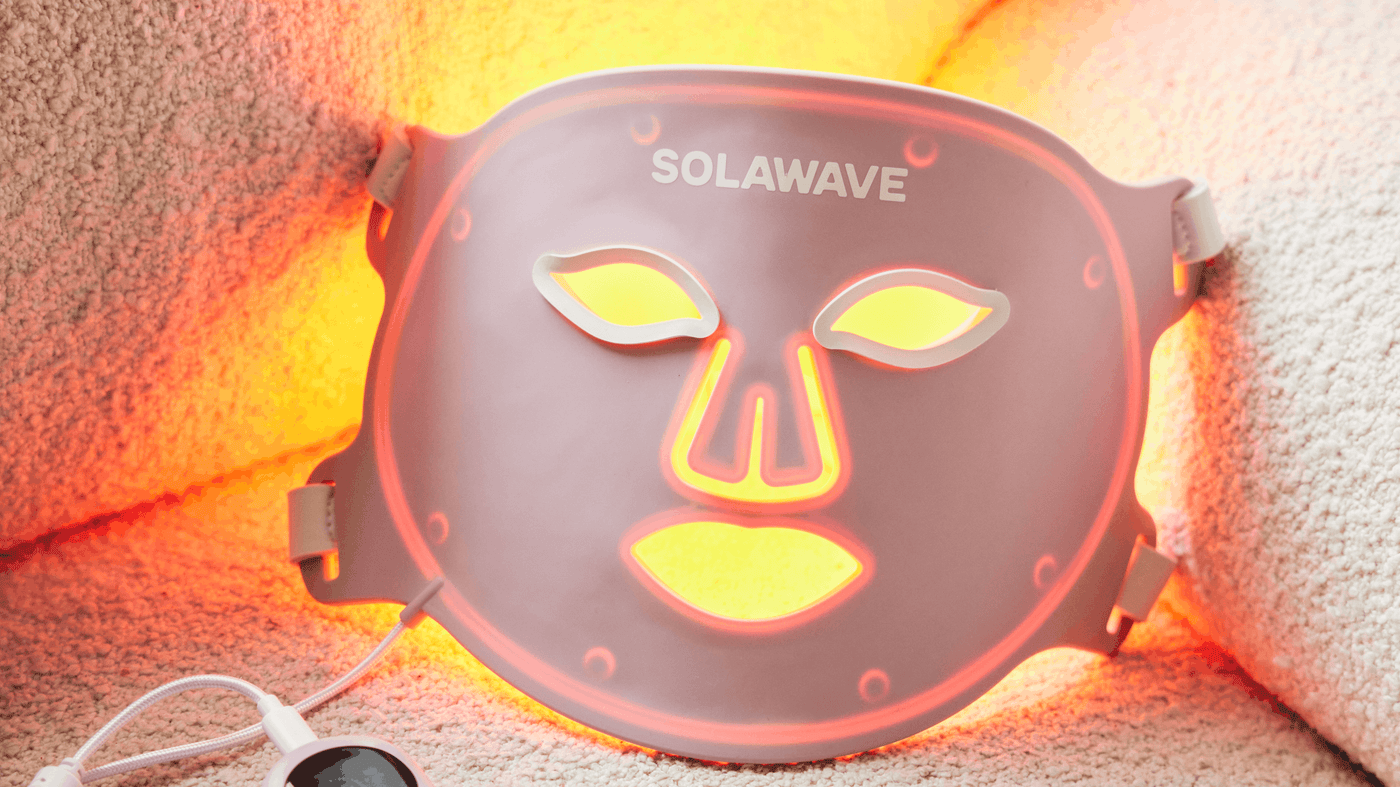
Light therapy technology has become increasingly popular for acne management. The Wrinkle Retreat Pro LED Face Mask is FDA-cleared and features 320 medical-grade LEDs delivering four wavelengths of light therapy: Red (630nm), Deep Red (660nm), Amber (605nm), and Near-Infrared (830nm). Designed for full-face coverage, it provides comprehensive treatment in just 3-minute sessions and can help visibly reduce inflammation and support the skin's natural healing process.
While acne is commonly associated with teenagers, adult acne is increasingly prevalent. Research shows that approximately 28.3% of individuals aged 16 to 24 experience acne. Hormonal fluctuations throughout life, particularly in women, contribute to persistent or recurring acne.
Whether you deal with occasional pimples or chronic acne, certain preventive measures can help maintain clearer skin:
While occasional pimples typically do not require medical attention, certain signs indicate you should consult a dermatologist:
Early intervention can prevent scarring and help you achieve clearer skin more quickly.
Understanding the acne vs pimple distinction is essential for choosing the right treatment approach. While a pimple is a single, temporary blemish that often resolves on its own, acne is a chronic skin condition requiring consistent, long-term management. The difference between acne and pimples affects everything from the products you use to whether you need professional help. By recognizing the acne and pimple difference and responding appropriately, whether with targeted spot treatments, comprehensive skincare routines, or FDA-cleared light therapy devices, you can take control of your skin health and work toward a clearer, more confident complexion.
Ready to tackle breakouts with science-backed technology? Shop Solawave devices today.
Yes. Pimples can occur as isolated incidents triggered by factors like hormonal changes, sweating, or product buildup. Having an occasional pimple does not mean you have acne, which is characterized by chronic, recurring breakouts.
Acne is a manageable condition rather than a curable one. While treatments can visibly reduce breakouts and keep acne under control, the underlying tendency toward clogged pores and inflammation may persist. Many people experience improvement with consistent treatment and lifestyle adjustments.
Individual pimples typically heal within 3 to 7 days with proper care. Deeper lesions like nodules or cysts may take several weeks to resolve. Picking or squeezing pimples can extend healing time and increase the risk of scarring.
Light therapy can visibly help with both occasional pimples and chronic acne. Red light wavelengths support the skin's natural healing process and help reduce the appearance of inflammation. Solawave's FDA-cleared light therapy devices provide professional-grade technology for comprehensive skin support.
The main difference is that acne is a chronic skin condition, while a pimple is a symptom or individual lesion. Acne involves recurring breakouts with multiple types of blemishes over time, whereas a pimple is a single, temporary blemish.
 Acne
Acne