Rated 4.7 out of 5 stars
4.7 / 5


726,000+ customers
Free 60-Day Returns
1-Year Warranty
726,000+ customers
Free 60-Day Returns
1-Year Warranty

Dealing with unexpected breakouts can be frustrating, especially when you need quick acne treatment solutions that deliver real results. The acne treatment market is saturated with products making bold promises, but not all spot treatments are created equal. Understanding which ingredients and methods have scientific backing can help you make informed decisions about your skincare routine.
Research shows that 92% of patients achieved partial remission of acne lesions using visible light therapy, while traditional topical treatments containing specific active ingredients continue to prove effective for targeting individual blemishes. Whether you're dealing with occasional breakouts or persistent spots, combining evidence-based approaches can help improve your skin's appearance over time.
Acne spot treatment products target specific blemishes with concentrated active ingredients designed to reduce inflammation, unclog pores, and address bacteria that contribute to breakouts.
The best acne spot treatments contain these evidence-based ingredients:
These over-the-counter ingredients demonstrate effectiveness for treating mild to moderate acne with consistent use.
Benzoyl peroxide remains one of the most effective ingredients for acne spot treatment. Available in concentrations from 2.5% to 10%, it penetrates pores to kill bacteria and reduce inflammation. Higher concentrations aren't necessarily more effective and may irritate, so starting with lower strengths is recommended.
Apply benzoyl peroxide at the end of your skincare routine using a clean cotton swab to target spots without affecting surrounding skin.
Salicylic acid excels at penetrating oil-filled pores, making it useful for blackheads and whiteheads. Products with 2% salicylic acid help exfoliate dead skin cells and reduce pore congestion, working well for oily or combination skin types.
Water-based formulas are less drying than alcohol-based versions. Look for products that combine salicylic acid with soothing ingredients like niacinamide to minimize irritation.
Sulfur treatments absorb excess oil while reducing inflammation. Products containing 3% to 10% sulfur help minimize blemish appearance within a few days of consistent use. Sulfur has a distinctive smell but is well-tolerated by most skin types, working particularly well for inflammatory acne.
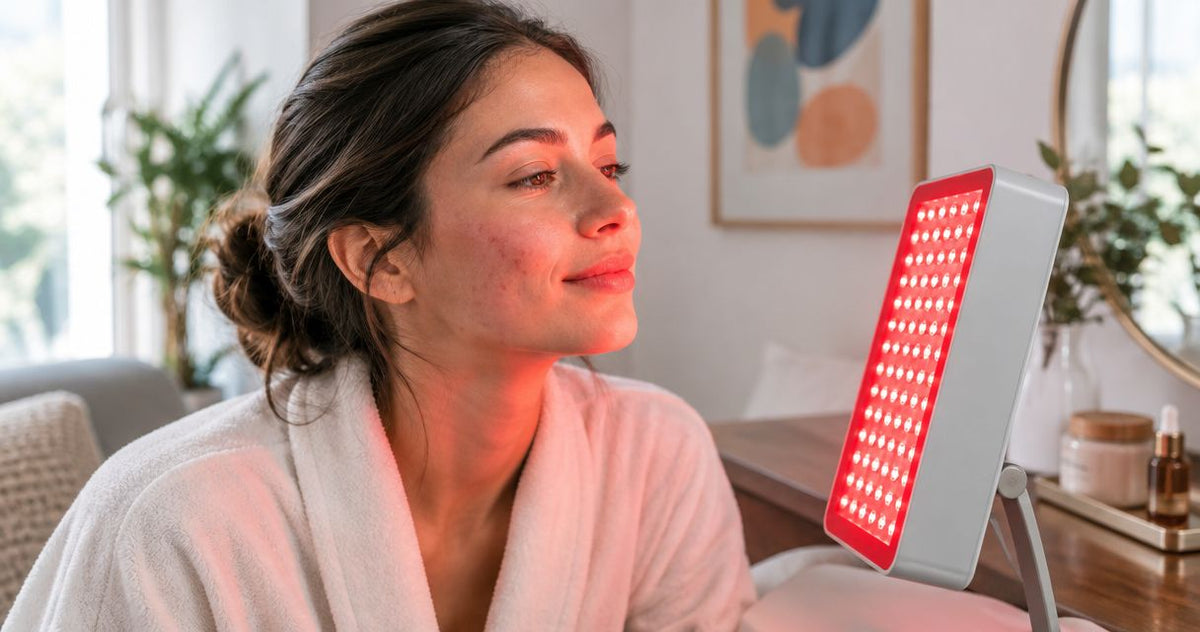
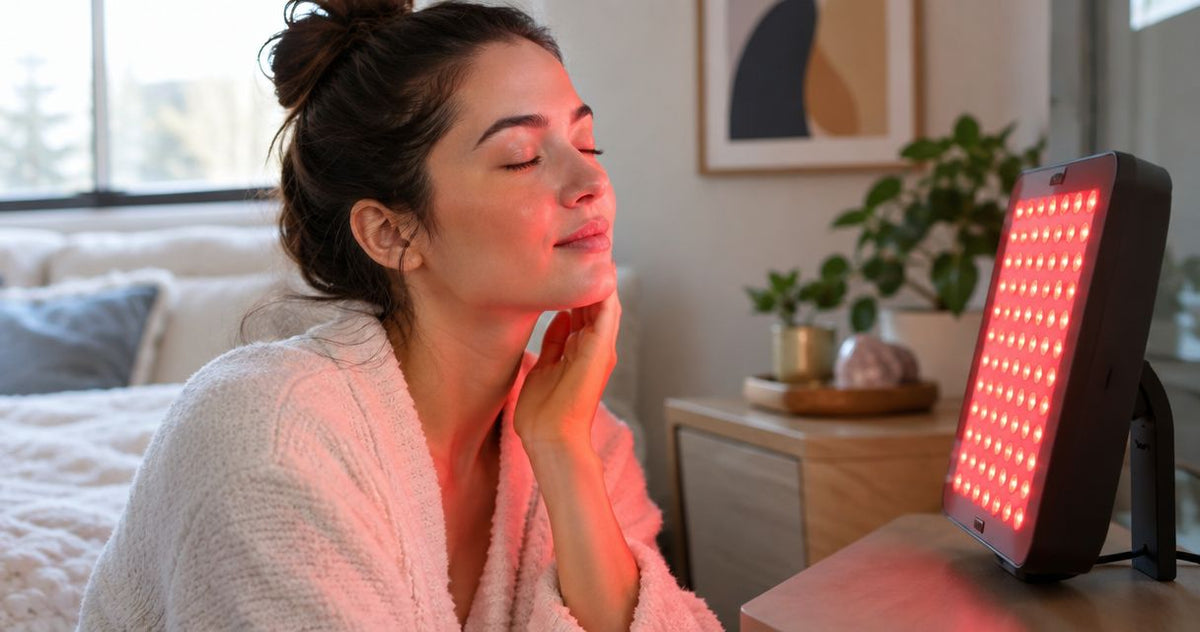
Research has found that at-home LED acne spot devices significantly reduced inflammatory and non-inflammatory acne lesions compared to control groups. Light therapy offers a non-invasive alternative targeting bacteria that contribute to acne formation.
Blue light therapy (wavelengths around 415nm) activates compounds within acne-causing bacteria, leading to their destruction. Red light therapy (wavelengths around 630-660nm) helps reduce inflammation and supports the skin's natural acne spot healing process.
Clinical studies using eight 10- to 20-minute LED treatments over four weeks showed measurable improvements. The 4-in-1 Skincare Wand combines red light therapy with facial massage, therapeutic warmth, and galvanic current for addressing skin concerns, including blemishes. The wand requires a water-based serum like the LightBoost Activating Serum to work properly and activate all four technologies.
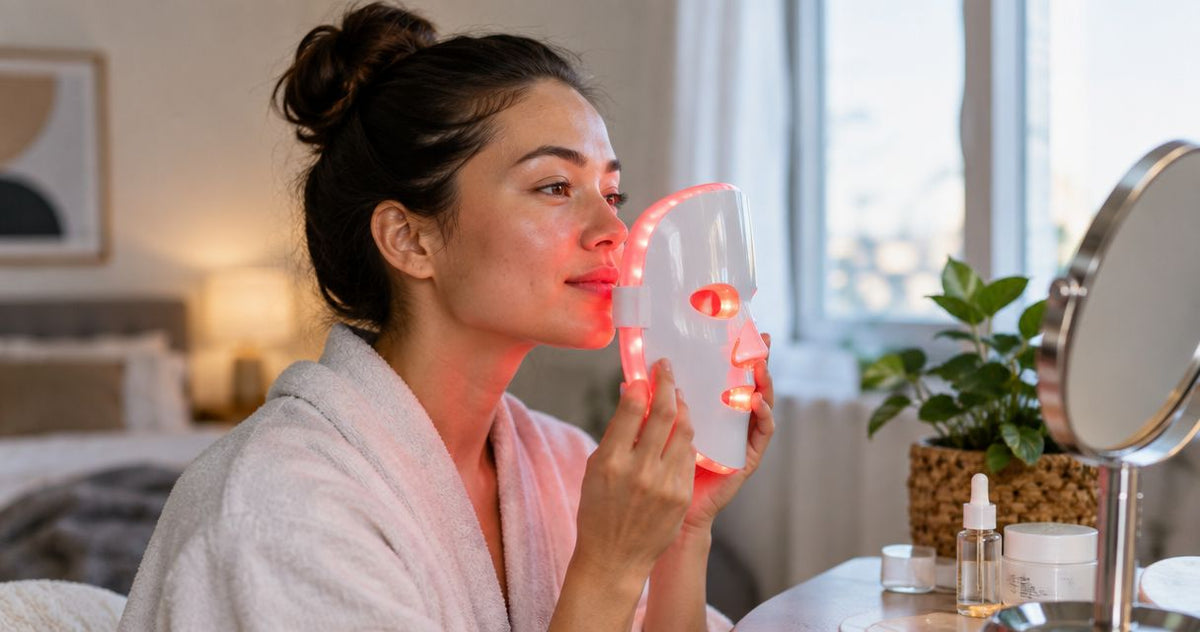
For full-face treatment, the Wrinkle Retreat Pro LED Face Mask is FDA-cleared and features 320 medical-grade LEDs delivering four wavelengths of light therapy: Red (630nm), Deep Red (660nm), Amber (605nm), and Near-Infrared (830nm). Designed for full-face coverage, it provides comprehensive treatment in just 3-minute sessions.
LED therapy devices offer advantages for acne spot treatment:
FDA-cleared devices provide an evidence-based option complementing traditional skincare routines.
Combining different acne spot treatment methods can provide more comprehensive results. Introduce products gradually to avoid overwhelming your skin.
Using LED therapy in the morning and applying benzoyl peroxide or salicylic acid treatments in the evening creates a balanced routine addressing acne from multiple angles. The 4-in-1 Skincare Wand integrates into your morning routine without interfering with evening topical treatments.
Effective acne spot healing takes time. Most treatments require consistent use for 4-8 weeks before significant improvements appear. LED devices show results after several weeks of regular use, while topical treatments may begin working within a few days but need continued application to maintain results. Products and devices help reduce blemish appearance over time rather than providing immediate clearing.
Proper application technique makes a significant difference in treatment effectiveness:
For Solawave facial devices, follow the recommended usage guidelines for optimal results.
Not all popular acne treatments are backed by strong evidence. Some approaches may cause more harm than good:
Choose methods with clinical backing for better results.
Selecting the best acne spot treatments depends on your skin type, acne severity, and tolerance for active ingredients. Dry or sensitive skin may benefit more from LED therapy devices or lower concentrations of active ingredients. Oily skin types often tolerate stronger formulations better.
If breakouts persist after 8-12 weeks of over-the-counter treatments, consult a dermatologist for more appropriate solutions. Professional guidance becomes important for cystic acne or widespread breakouts.
Finding the right acne spot treatment requires understanding your skin's needs and choosing evidence-based solutions that work for your specific concerns. Whether you opt for topical treatments containing benzoyl peroxide, salicylic acid, or sulfur, or incorporate an acne spot device like LED light therapy into your routine, consistency is key. The best acne spot treatments combine multiple approaches, addressing bacteria, inflammation, and pore congestion from different angles. With patience and the right quick acne treatment strategy, you can achieve clearer skin and support your skin's natural acne spot healing process over time.
Ready to tackle breakouts with science-backed technology? Shop Solawave devices today.
Most topical treatments begin showing results within 3-7 days, with full effectiveness developing over 4-8 weeks of consistent use. LED therapy devices require several weeks of regular use before improvements become noticeable. Results vary based on skin type, acne severity, and consistency.
Using multiple treatments simultaneously can be effective but requires caution. Start with one treatment, establish tolerance, then gradually add others if needed. LED therapy pairs well with topical treatments since it doesn't involve chemical ingredients.
Price doesn't always correlate with effectiveness. Many affordable products contain the same active ingredients as premium options. Focus on ingredient concentration and formulation rather than cost. FDA-cleared devices like those from Solawave provide clinically-backed technology at accessible price points.
Some natural ingredients, like tea tree oil, show moderate effectiveness in studies but work more slowly than clinical-grade ingredients like benzoyl peroxide or salicylic acid. Natural options may suit those with sensitivities to synthetic ingredients, though results vary more widely.
 Clear Skin