Rated 4.7 out of 5 stars
4.7 / 5


726,000+ customers
Free 60-Day Returns
1-Year Warranty
726,000+ customers
Free 60-Day Returns
1-Year Warranty
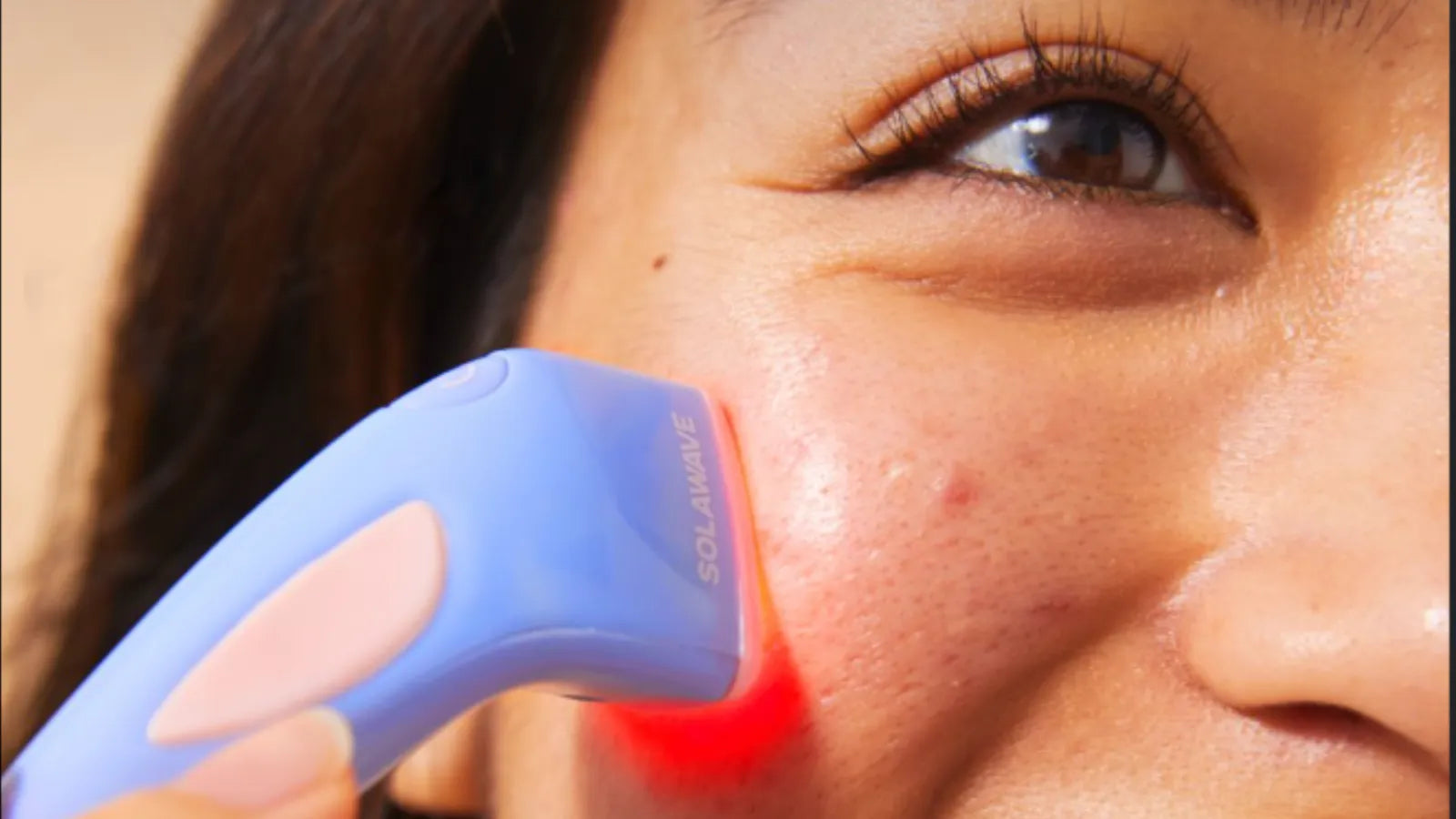
Dealing with the itchy, red, and inflamed patches of contact dermatitis can be a frustrating cycle. If you've tried various creams and are looking for new contact dermatitis treatment options, you may be curious about red light therapy for contact dermatitis. This gentle, non-invasive technology is gaining attention for its ability to calm inflammation and support the skin's natural healing process. It represents a modern approach to skin care for contact dermatitis, offering a way to manage symptoms from the comfort of your own home.
Before looking at solutions, it's helpful to understand the condition itself. Contact dermatitis is a type of eczema triggered by contact with a particular substance. When left unmanaged, chronic contact dermatitis can weaken the skin's protective barrier, making it more susceptible to future reactions, dryness, and secondary infections. This can impact not just your skin's health but also your daily comfort and confidence.
There are two main types of contact dermatitis:
Both types result in uncomfortable symptoms like redness, itching, swelling, and sometimes blisters. Finding the best way to treat contact dermatitis often involves identifying and avoiding the trigger while actively soothing the irritated skin to help it heal.
Red light therapy, also known as photobiomodulation (PBM), uses specific, low-level wavelengths of light to stimulate cellular activity. Unlike UV light from the sun, red and near-infrared light are safe for the skin and do not cause damage. The light penetrates the skin and is absorbed by mitochondria, the powerhouses of your cells.
This absorption triggers a series of beneficial reactions:
One of the most promising aspects of red light therapy is its proven effect on inflammation. For conditions like contact dermatitis, where inflammation is a primary symptom, this is a key benefit. Clinical studies on various inflammatory skin conditions have shown that red light therapy can significantly calm the skin and break the cycle of irritation.
The inflammation from dermatitis is a domino effect; initial irritation leads to scratching, which causes more damage and more inflammation. Red light therapy helps interrupt this cycle. Research indicates that wavelengths in the red spectrum (around 630nm to 660nm) are particularly effective at targeting inflammation at the skin's surface. When you're experiencing a flare-up, your skin is flooded with inflammatory markers. Red light therapy works to dial down this response, helping your skin return to a calmer state more quickly. When the skin is less inflamed, it is also better equipped to absorb hydrating and healing ingredients from your other skincare products. For more details on the clinical evidence, you can watch videos like "Red Light Therapy for Skin Inflammation: Clinical Evidence" to see how experts break down the science.
Patience and consistency are important when using red light therapy. While it's a powerful tool, it's not an overnight fix. The time it takes to see results can vary based on the severity of your dermatitis and your individual skin. Setting realistic expectations is key to a successful experience.
Here’s a general timeline of what you might expect:
Consistent sessions, 3-5 times per week, are recommended to give your skin the continuous support it needs. A session with a device like Solawave's Red Light Therapy Face Mask takes just 3 minutes, making it easy to fit into your daily routine.
Not all light is created equal. The effectiveness of light therapy depends on using the correct wavelengths that can penetrate the skin to the appropriate depth. For skin conditions, a combination of red and near-infrared light is often the most effective approach.
Finding a device that combines multiple wavelengths gives you a comprehensive, multi-layered treatment. At-home options like those from Solawave are clinically tested, making them safe and reliable for regular use. It's important to purchase something that's authentic, as many brands are launching without this clearance, leading to murky safety protocols. The Solawave Wrinkle Retreat Pro LED Face Mask uses a combination of Red (630nm), Deep Red (660nm), Amber (605nm), and Near-Infrared (830nm) light to provide a full spectrum of benefits for skin rejuvenation and calming.
Yes, red light therapy is a gentle treatment that can typically be used during an active flare-up to help calm inflammation and reduce discomfort. Because it's a non-invasive treatment with no downtime or risk of UV damage, it's a suitable option for sensitive and reactive skin.
However, it's always wise to listen to your skin. If your skin is extremely raw or has open sores, it might be best to wait until the acute phase has passed. To start, you can introduce the therapy gently. Try using your device every other day for the first week to allow your skin to acclimate. If you feel any sensitivity, you can also hold the device slightly further from the skin. A patch test on a small, unaffected area of skin is a good practice before starting any new treatment.
Red light therapy is widely considered safe for most people, but there are some precautions to keep in mind.
You should avoid using red light therapy if you:
If you have any underlying medical conditions or concerns, consulting your healthcare provider before beginning treatment is the safest course of action. Always choose a reputable device to ensure you are using a product that has been tested for safety and efficacy.
Incorporating red light therapy into your routine is straightforward. It can be a calming ritual that complements your existing skin care for contact dermatitis.
Solawave is a 30+ award-winning skincare brand dedicated to making professional-level technology accessible for at-home use. As a leader in light therapy, Solawave integrates science-backed, clinically tested technology with innovative skincare to create rituals that are effective, safe, and easy to incorporate into your daily life. Loved by celebrities and recommended by aestheticians, all products are designed to deliver visible results. You can view the entire range of devices and skincare on the shop all page.
Red light therapy cannot cure contact dermatitis, but it is an excellent tool for managing symptoms. It helps reduce inflammation and supports skin healing as part of a comprehensive management plan.
For best results, aim for 3-5 sessions per week. Each session with a Solawave mask is just 3 minutes, making it easy to incorporate into your routine.
Yes, it is generally considered safe and gentle for sensitive skin. However, it's always a good idea to start with shorter sessions to assess your skin's tolerance.