Rated 4.7 out of 5 stars
4.7 / 5


726,000+ customers
Free 60-Day Returns
1-Year Warranty
726,000+ customers
Free 60-Day Returns
1-Year Warranty
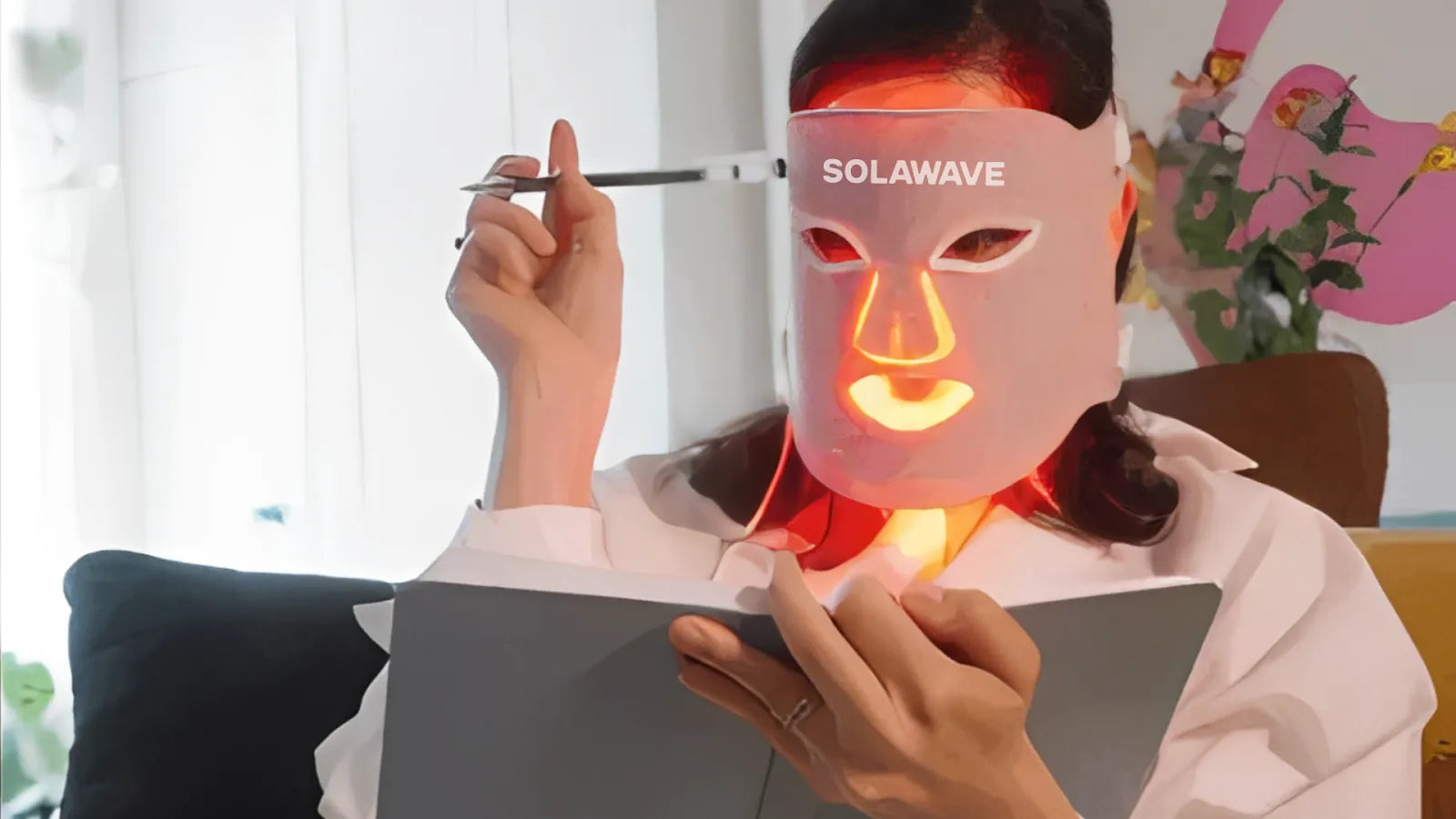
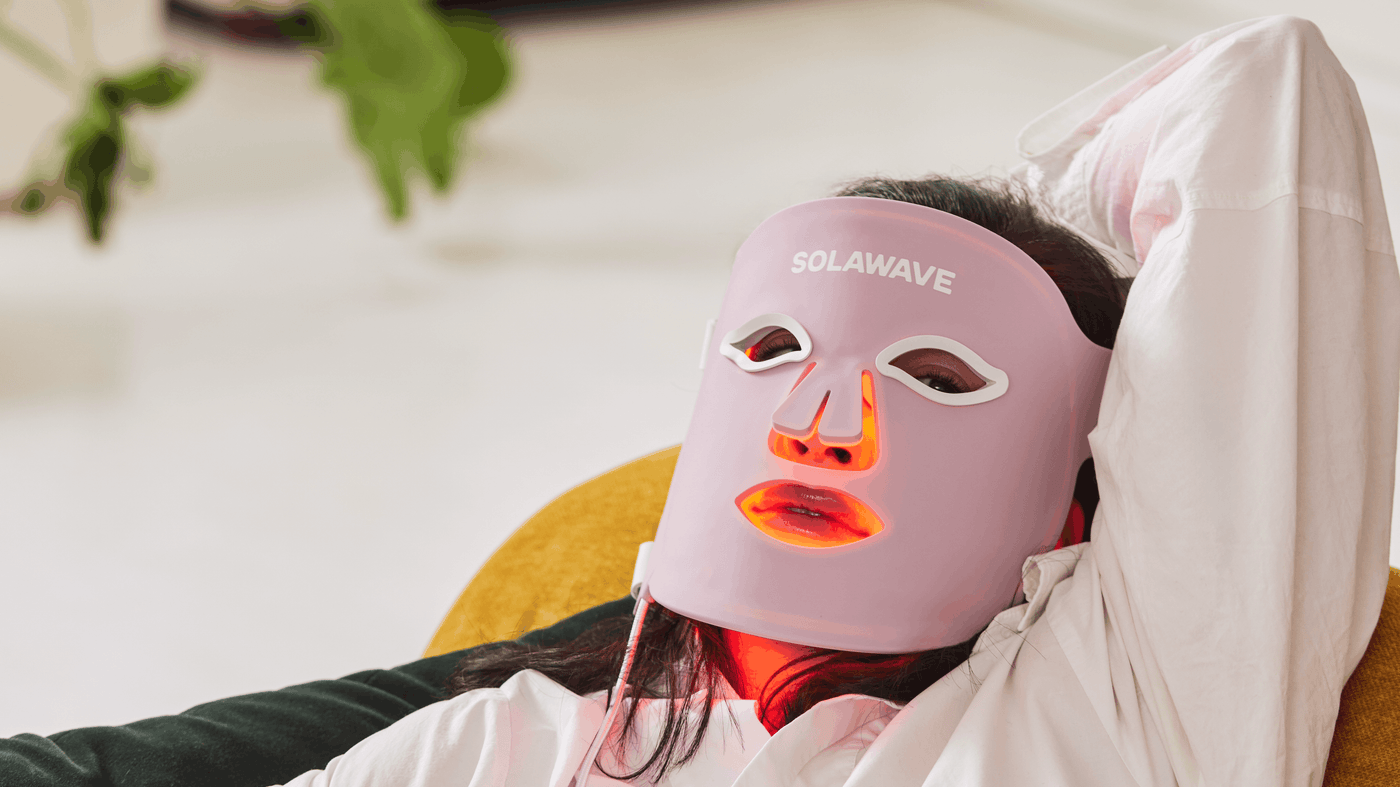
LED light therapy has become a celebrated part of modern skincare routines, and for good reason. The ability to use a gentle, non-invasive LED face mask at home offers a convenient and effective way to achieve a more radiant complexion. As this technology becomes more accessible, so do questions about its safety and suitability. While LED therapy is beneficial for many customers, it is important to understand the contraindications to make sure it is the right choice for you. Making an informed decision is the first step toward achieving your skincare goals safely and effectively.
At Solawave, we are committed to science-backed skincare that is both powerful and safe. This guide walks you through everything you need to know about who should use light therapy with caution and why, so you can feel confident in your skincare choices.
LED (Light Emitting Diode) therapy is a non-invasive treatment that uses different wavelengths of light to penetrate the skin at various depths, addressing a range of concerns at a cellular level. Unlike UV light, these specific, concentrated wavelengths are gentle and do not cause damage to the skin. The Solawave red light therapy face mask uses a combination of four powerful wavelengths, measured in nanometers (nm) to indicate their depth of penetration.

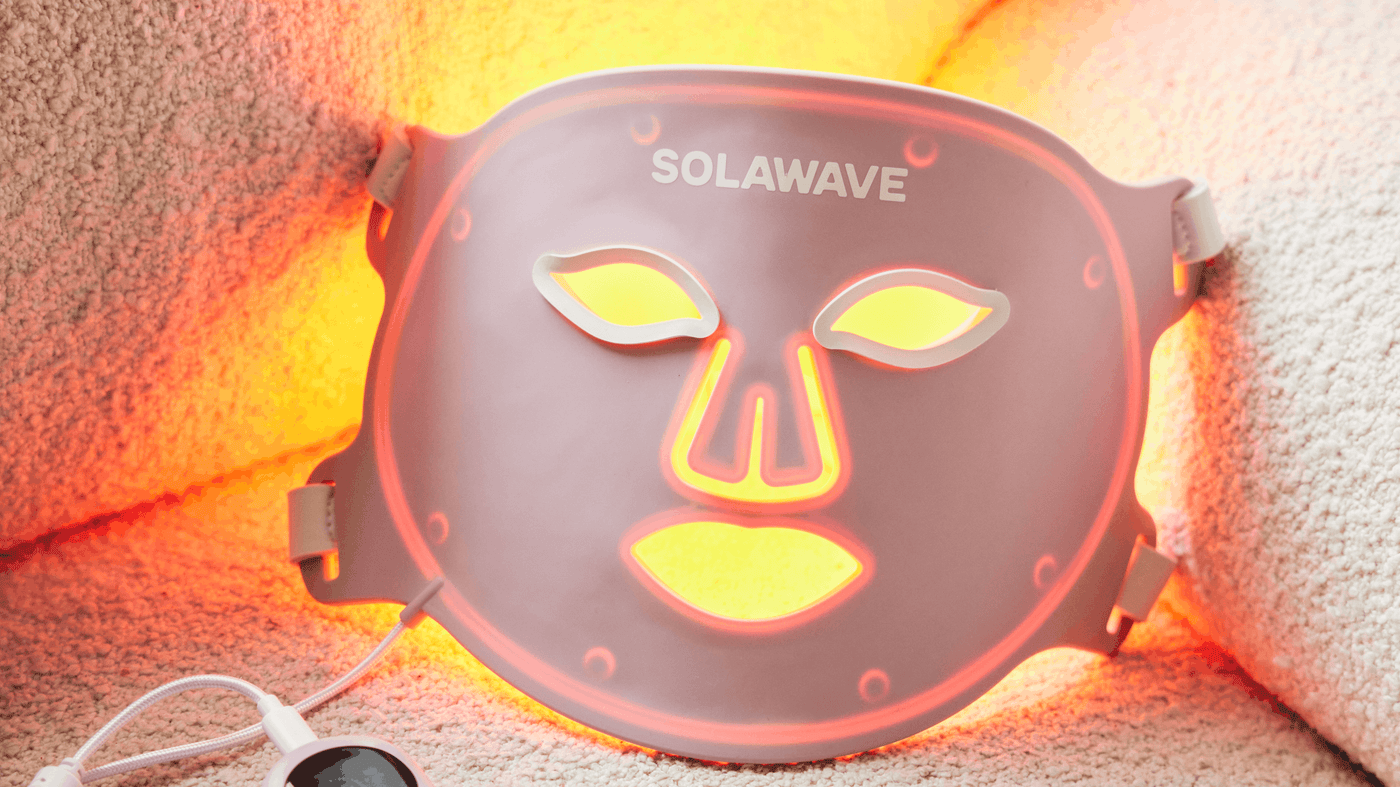
Amber Light at 605nm works closer to the skin's surface to help calm the appearance of redness and promote a more even skin tone. Red Light at 630nm reaches into the dermal layers to help visibly reduce the look of fine lines and wrinkles. Deep Red Light at 660nm targets signs of aging and supports overall skin rejuvenation for a refreshed appearance. Near-Infrared Light at 830nm is the deepest penetrating wavelength in the mask, promoting a radiant, healthy-looking glow from within.
At a cellular level, these wavelengths are absorbed by an enzyme in the mitochondria called cytochrome c oxidase. This absorption triggers increased production of ATP (adenosine triphosphate), the energy that powers cellular function. With more cellular energy available, the body's natural processes for collagen production, tissue repair, and inflammation reduction are all supported. According to Cleveland Clinic, red light therapy works by acting on the mitochondria to help cells do their work more efficiently, stimulating collagen production and increasing blood circulation to the tissue.
The non-invasive nature of the treatment means there is no downtime, making it a seamless addition to any routine. However, the quality and safety of the device you choose matter significantly. At-home options like Solawave are FDA-cleared, making them safe and reliable for regular use. As the market grows, more brands are launching products without this clearance and, therefore, with uncertain safety protocols. Choosing an FDA-cleared device provides an important layer of confidence that the product has been properly reviewed for both safety and effectiveness.
While LED therapy is safe for most people, there are specific situations where it is not recommended. Understanding the full list of LED face mask contraindications is essential before beginning treatment, as it ensures the technology works for you rather than against you. Generally, you should avoid using an LED face mask if you are pregnant, have a known light-sensitivity disorder, take photosensitizing medications, or have certain underlying health conditions. The sections below provide more detail on each of these points to help you determine if this treatment is suitable for your situation.
One of the most common questions we receive is about using LED masks during pregnancy. Currently, there is not enough dedicated scientific research to confirm that LED light therapy is completely safe during pregnancy or while breastfeeding. Ethical considerations limit clinical trials on expectant mothers for cosmetic treatments. Because of this lack of data, the general recommendation from the medical community is to apply the precautionary principle and avoid use.
The health of you and your baby is the absolute top priority. We always advise consulting with your doctor or a trusted healthcare provider before incorporating any new treatments, devices, or products into your routine during pregnancy. They can offer guidance based on your personal health history and help you decide on the right approach.
Photosensitivity is a condition where the skin has an abnormally high sensitivity to light, including the beneficial wavelengths used in an LED face mask. This condition can be inherited, but it can also be triggered by certain medications and underlying health issues. For individuals with photosensitivity, exposure to LED light could potentially trigger skin reactions such as redness, patchiness, rashes, or general discomfort.
If you know you have a sensitivity to light or are unsure, performing a patch test before using the mask on your entire face is always a good idea. To do this, simply expose a small, inconspicuous area of skin, such as behind the ear or on the inner arm, to the light for a full treatment cycle. Wait 24 hours to see if any adverse reaction occurs. This simple step can provide peace of mind and help prevent a potential reaction on your face.
LED light therapy is celebrated for its skin-rejuvenating properties, but it may not be suitable for everyone, particularly those with certain pre-existing skin conditions. If you have active cancer or a history of skin cancer, you should not use LED therapy devices. The effects of light on cancerous or precancerous lesions are not fully understood, and caution is essential.
While some people with inflammatory conditions like rosacea find red light calming, others may experience flare-ups. Individuals with autoimmune conditions that involve photosensitivity, such as lupus, should also avoid LED light therapy unless cleared by their physician. A randomized controlled study published in the Journal of Biophotonics found that LED red light is generally safe at standard treatment fluences, but that the skin's response can vary depending on melanin concentration and individual biology.
Regarding skin tone, the device is intended for all skin types when used as directed. However, individuals with skin types V and VI on the Fitzpatrick scale have a higher concentration of melanin, which can increase light absorption and present a small risk of pigmentation changes. For this reason, customers with darker or pigment-prone skin are encouraged to consult their dermatologist before use to determine the best treatment frequency. Many customers with deeper skin tones use Solawave devices safely and effectively by following the recommended use instructions.
Your dermatologist can provide personalized advice based on your skin's unique needs and help you decide if a red light therapy face mask is a safe addition to your routine.
One of the most important LED face mask contraindications involves medication. Certain prescription and over-the-counter drugs can increase your skin's sensitivity to light, a side effect known as drug-induced photosensitivity. Using an LED mask while taking these medications could make your skin more vulnerable to reactions, ranging from mild redness to more significant irritation.
Common medications that can cause photosensitivity include certain antibiotics, particularly tetracyclines and fluoroquinolones; retinoids, including oral acne medications like isotretinoin and topical treatments like tretinoin; some diuretics, blood pressure medications, and non-steroidal anti-inflammatory drugs (NSAIDs); and herbal supplements like St. John's Wort.
This is not an exhaustive list. If you are taking any prescription medications or using strong topical treatments, it is important to review the potential side effects listed on the packaging and speak with your doctor or pharmacist about whether LED light therapy is appropriate for you.
If you have facial tattoos or permanent makeup such as microbladed brows, you should be aware that the pigments used in these procedures can absorb light energy differently than surrounding skin. In most cases, standard at-home LED face masks deliver energy at levels low enough that this is not a concern. However, fresh tattoos or permanent makeup applied within the last two to four weeks are still healing and should not be exposed to LED light until the area has fully recovered. If you have extensive facial tattoos or permanent cosmetic work, it is worth checking with your dermatologist to confirm that LED therapy is appropriate for your situation.
Your eye health is extremely important, and concerns about whether bright lights from an LED mask can harm your eyes are understandable. Reputable, FDA-cleared devices are designed with safety as a top priority. At-home masks from trusted brands are created to be safe for the eyes when used according to the manufacturer's instructions.
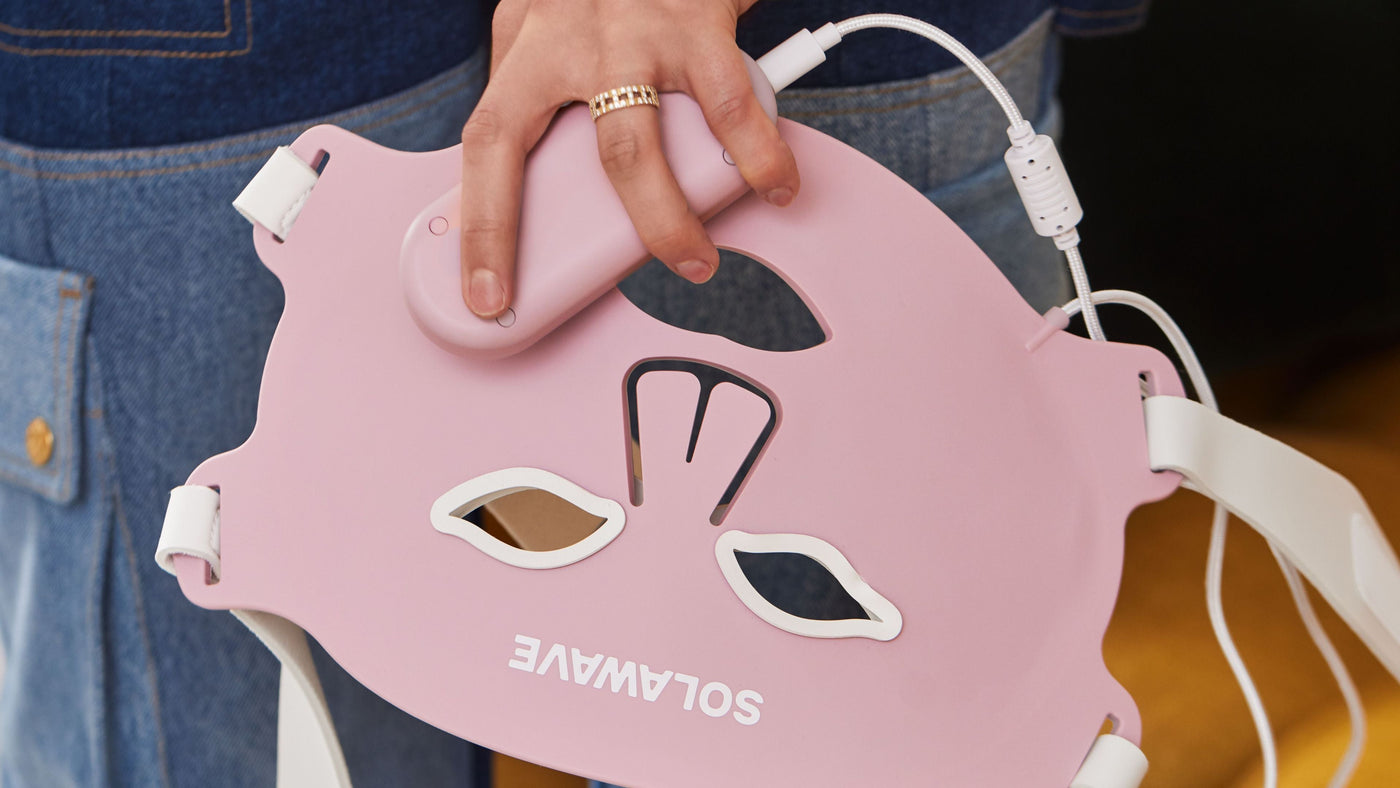
The Solawave red light therapy face mask is made of flexible, medical-grade silicone that contours to the face, helping to prevent light leakage. It also includes protective goggles for your comfort and safety. For more targeted treatment around the delicate eye area, the red light therapy eye mask is specifically designed for this purpose. It is always recommended to keep your eyes closed during any light therapy treatment and never look directly into the LEDs. Following these simple guidelines helps ensure your treatment is both effective and safe.
Beyond injectable treatments like Botox or fillers, other popular cosmetic procedures also warrant caution. If you have recently had a chemical peel, microneedling session, or laser resurfacing treatment, your skin barrier is temporarily compromised and more sensitive than usual. Using an LED mask too soon after these procedures could lead to irritation or discomfort.
The general recommendation is to wait until the treated area has fully healed before resuming LED sessions. This waiting period varies depending on the procedure, so always follow your aesthetician's or dermatologist's specific guidance. Once the skin barrier has recovered, LED light therapy can actually complement post-procedure recovery by supporting the skin's natural repair processes.
Deciding to add a new tool to your skincare routine is a personal choice. To determine if an LED mask is right for you, start by reviewing the contraindications outlined in this article. Check your medications for any photosensitizing side effects and consider performing a patch test if you have any uncertainty about how your skin will respond. It is also important to set realistic expectations. Light therapy works by supporting the skin's natural processes over time, and consistency is what drives visible results.
Most importantly, if you have any medical concerns or doubts, a conversation with your healthcare provider is the best path forward. When you are ready, choosing an FDA-cleared device from a trusted brand like Solawave ensures you are investing in a product that is both safe and effective. Many Solawave purchases may also be eligible for coverage with FSA/HSA funds, making this technology even more accessible.
Once you have determined that an LED mask is a good fit for you, the focus shifts to getting the best possible results from your treatments.
Consistency is the foundation of an effective skincare routine. For optimal results, we recommend using the red light therapy face mask for just 3 minutes per session, 3 to 5 times per week. This short, relaxing session can easily fit into your morning routine or evening wind-down. A single session once a week is unlikely to deliver the results most customers are looking for, so building consistent sessions into your weekly schedule is essential. Sticking to the recommended frequency isn't just about results - overdoing it can backfire, so it's worth knowing the side effects of using a red light therapy mask too long before you build out your weekly routine.
For a truly comprehensive routine, consider also addressing the often-neglected neck and chest area with the Neck and Chest Pro Light Therapy Mask. This mask uses Red Light and Near-Infrared Light Therapy to target fine lines, sagging, and uneven tone below the jawline.

To enhance your results, prepare your skin by cleansing it thoroughly before each session. After treatment, your skin is primed to absorb nourishing products. The LightBoost Niacinamide Face and Neck Serum is an excellent post-treatment option for targeting texture and supporting a balanced complexion. Follow with the LightBoost Face and Neck Cream to lock in hydration and support firmness. For the delicate eye area, the LightBoost Collagen Caffeine Eye Cream pairs well with the red light therapy eye mask for a focused under-eye routine.


If you prefer a more versatile handheld tool for targeted treatment, the red light therapy wand combines Red Light Therapy at 630nm with therapeutic warmth, galvanic current, and facial massage in a single device. The wand's galvanic current requires a water-based serum to function optimally, so pairing it with the LightBoost Activating Serum is important for getting the full benefit of all four technologies. Apply the serum before your wand session rather than after.

Explore the full Solawave collection to find the right combination of devices and products for your skincare goals.
LED light therapy is a powerful and gentle way to support your skin health and achieve a more radiant, youthful-looking complexion from the comfort of home. It can visibly improve firmness, smooth fine lines, even skin tone, and restore radiance over time. However, the key to a positive and successful experience is understanding who should not use LED therapy and why.
By reviewing the contraindications related to pregnancy, photosensitivity, medical conditions, and medications, you can make a confident and informed choice. If you have any doubts or medical concerns, consulting with your healthcare provider is always the right first step.
At Solawave, we are dedicated to empowering you with the knowledge and tools you need to build a skincare routine you feel great about. Ready to get started? Browse the full range of Solawave skincare devices and find the right fit for your routine.
Yes, LED therapy is generally gentle enough for sensitive skin. The treatment involves no harsh chemicals or abrasive contact, making it well-tolerated by most skin types. However, if you have a specific skin condition or heightened sensitivity, performing a patch test first is recommended. Expose a small area of skin to the light for one full session and wait 24 hours to check for any reaction before using the mask on your entire face.
Many LED masks on the market require 10 minutes or more per session. The Solawave red light therapy face mask offers a complete and effective treatment in just 3 minutes, making it one of the fastest options available and easy to fit into even the busiest schedules.
For best results, we recommend using your Solawave face mask 3 to 5 times per week. This frequency allows your skin to respond to the treatment effectively. The mask is designed to be gentle enough for regular use at this frequency, and consistency at this level is what drives the best visible results over time.
Discontinue use immediately and allow your skin to calm down. If irritation persists beyond a day or two, consult your doctor or dermatologist. It is also worth reviewing your current skincare products and any medications you are taking to check for photosensitizing agents that could be contributing to the reaction.
Yes. Solawave devices are designed for customers who are 18 years of age or older. LED therapy is intended for adults in general good health. If you have questions about whether the device is appropriate for someone in your household, consult a healthcare provider.
Retinoids, both oral (like isotretinoin) and topical (like tretinoin), can increase your skin's sensitivity to light. If you are currently using retinoid-based products or medications, consult your doctor or dermatologist before starting LED light therapy. They can advise whether it is safe for you or whether you should adjust your routine.
No. LED light therapy uses specific, targeted wavelengths of visible and near-infrared light that are completely different from ultraviolet (UV) light. The wavelengths used in Solawave devices (605nm, 630nm, 660nm, and 830nm) do not carry the same risks as UV exposure. LED therapy is a gentle treatment with no risk of UV damage.
If you have recently had injectable treatments such as Botox or dermal fillers, check with your provider about the appropriate waiting period before using an LED face mask. The treated area may be sensitive, and your provider can advise on when it is safe to resume light therapy sessions.
No. Individuals who are prone to seizures or have epilepsy should not use LED face masks. The light emitted by the device could potentially trigger a photosensitive response. If you have a seizure disorder, consult your healthcare provider before considering any form of light therapy.
The Solawave red light therapy face mask includes protective goggles for your comfort and safety. While the light wavelengths used in the mask are safe, the goggles can make the experience more comfortable, especially if you find the light bright. It is always recommended to keep your eyes closed during treatment, regardless of whether you use the goggles.
The red light therapy face mask provides full-face coverage with four wavelengths of light therapy in a 3-minute session. The red light therapy eye mask is specifically designed for the delicate skin around the eyes, targeting concerns like dark circles, puffiness, and fine lines in that area. Many customers use both for a comprehensive routine, pairing the eye mask with the LightBoost Collagen Caffeine Eye Cream for enhanced results.
Legitimate FDA-cleared devices will clearly state their clearance status on their packaging and website. Solawave devices are FDA-cleared, which means they have undergone proper regulatory review for safety and effectiveness. With more brands entering the market without this clearance and therefore with uncertain safety protocols, verifying FDA clearance before purchasing any LED device is an important step in protecting your skin and health.
No. LED face masks use non-ionizing red and near-infrared light that cannot damage DNA — unlike UV radiation. No scientific evidence links therapeutic LED wavelengths to cancer development. Those with an active cancer diagnosis should consult a physician.
The risk is low when protective goggles are worn. Red and near-infrared light do not share blue light's retinal risk profile, but prolonged direct exposure can cause eye strain. Users with retinal conditions such as glaucoma should seek medical advice before use.
Most manufacturers recommend avoiding LED face masks during pregnancy as a precaution. No studies have confirmed harm, but insufficient data exists on fetal light exposure. Always consult your OB-GYN or midwife before beginning any new at-home device treatment while pregnant.