Rated 4.7 out of 5 stars
4.7 / 5


726,000+ customers
Free 60-Day Returns
1-Year Warranty
726,000+ customers
Free 60-Day Returns
1-Year Warranty

Pimple patches have quickly become one of the most popular spot treatments in modern skincare. These small, adhesive patches stick directly onto blemishes, helping to protect them from outside irritants while working to draw out impurities and reduce their appearance. But one of the most common questions customers ask is: how long should you actually leave a pimple patch on? And does your skin need time to breathe in between?
Here is everything you need to know about pimple patches, including how they work, how long to wear them, and how to pair them with other acne treatments like Blue Light Therapy for even better results.
Pimple patches are small, adhesive bandages designed to sit directly over a blemish. They act as a protective shield while working to absorb excess fluid, oil, and impurities from the affected area.
Most pimple patches are crafted from hydrocolloid material, a gel-like substance widely used in wound care for its ability to create a moist environment that supports the skin's natural recovery process. When placed on a pimple, the hydrocolloid draws out pus and oil, gradually flattening the blemish and reducing redness.
Some patches also come infused with active ingredients such as salicylic acid or tea tree oil. Salicylic acid is a beta-hydroxy acid (BHA) recognized for its ability to exfoliate the skin and unclog pores, while tea tree oil is a natural antibacterial agent that helps calm irritation. Together with the hydrocolloid base, these ingredients enhance the patch's overall effectiveness.
Hydrocolloid Patches: The most widely available type, hydrocolloid patches work best on whiteheads and surface-level blemishes. They focus on absorbing impurities and gradually reducing the appearance of the pimple.
Medicated or Infused Patches: These contain active ingredients like salicylic acid or benzoyl peroxide. They are designed for deeper or more stubborn blemishes and help exfoliate the area while clearing clogged pores.
Microneedle Patches: Equipped with tiny, dissolvable needles, microneedle patches deliver active ingredients beneath the skin's surface. They are especially useful for early-stage pimples and may help prevent blemishes from developing further.
Regardless of the type, pimple patches share several key benefits. By covering the blemish, they create a barrier against dirt, bacteria, and the temptation to pick, which can make breakouts worse and lead to scarring. Many patches also contain soothing ingredients that help calm redness and irritation, supporting a more even-looking complexion. Most are transparent or skin-toned, so you can wear them discreetly throughout the day or overnight without them being noticeable.
In general, pimple patches are designed to be worn for several hours at a time. Many customers prefer to apply them before bed and leave them on overnight, giving the hydrocolloid material ample time to absorb impurities and excess oil.
A few factors can influence how long you should keep your patch on. The type of blemish matters: whiteheads often benefit from longer wear, while early-stage spots may need less time. The type of patch you are using also plays a role. Basic hydrocolloid patches and those infused with active ingredients may have different recommended durations, so always check the packaging for specific guidance.
There are a couple of clear signs that it is time to swap out your patch. If it turns white or opaque, that means it has absorbed as much as it can and has done its job. If the edges start to peel or the patch loses its adhesion, it is also time for a fresh one.
Yes, but with one important note: you should not wear a pimple patch during your Light Therapy session. Remove the patch first, complete your treatment, and then apply a fresh patch afterward.
Light Therapy is a science-backed skincare technology that uses specific wavelengths of light to target various skin concerns. Blue Light Therapy, in particular, is effective for acne. It works by targeting acne-causing bacteria and helping to reduce excess sebum production, which can deter future breakouts.
Pairing pimple patches with Light Therapy as part of your aftercare routine can offer a more comprehensive approach to managing acne-prone skin. While Blue Light Therapy addresses the root causes of breakouts, pimple patches step in afterward to absorb remaining impurities and protect the treated area.
To combine both treatments effectively, start by using the Solawave Bye Acne Blue Light Therapy device on clean, dry skin. Hold the device over the blemish for the automatically timed 3-minute session. Once the device shuts off, apply a serum-infused pimple patch to the treated spot. This two-step approach targets acne from multiple angles while providing soothing post-treatment care.
Looking for a complete at-home acne-fighting routine? The Solawave Bye Acne Pro Kit bundles the FDA-cleared Blue Light Therapy spot treatment device with serum-infused pimple patches, giving you everything you need for a simple routine that takes less than five minutes.
Managing acne-prone skin takes a consistent, thoughtful approach. Here are a few habits that can help keep breakouts at bay and support clearer-looking skin over time.
Start with a gentle cleanser. The foundation of any good skincare routine is a cleanser that removes dirt, oil, and makeup without stripping your skin of its natural moisture. Cleansing twice daily helps maintain a clean canvas and minimizes the risk of clogged pores. The Solawave Probiotic Hydrating Gel Cleanser is formulated to clean skin while preserving its beneficial microbiome.
Moisturize wisely. Follow up with a lightweight, non-comedogenic moisturizer to keep your skin hydrated without contributing to breakouts. If you are looking for a nourishing option, the LightBoost Face and Neck Cream provides lasting hydration that complements an acne-conscious routine.
Incorporate gentle exfoliation. A mild exfoliant with salicylic acid or glycolic acid can help slough away dead skin cells and prevent pore congestion. Just be careful not to overdo it. Over-exfoliation can irritate the skin and actually worsen acne and inflammation.
Add Blue Light Therapy to your routine. For targeted spot treatment, Blue Light Therapy is an excellent tool. It works on clean, dry skin, so use it after cleansing but before applying other products like serums, moisturizers, or pimple patches.
Layer in targeted treatments. Beyond pimple patches, consider serums with active ingredients like tea tree oil or benzoyl peroxide. The LightBoost Niacinamide Face and Neck Serum is another great addition for supporting a balanced, clearer-looking complexion.
While these tips can be effective for mild to moderate acne, it is important to know when to seek professional guidance. If you experience persistent, severe, or painful breakouts, consult a dermatologist or your primary healthcare provider. A professional can recommend treatments tailored to your specific skin needs.
While Blue Light Therapy is a go-to for acne, Red Light Therapy offers a different set of benefits that complement any skincare routine. Red Light Therapy works by delivering specific wavelengths of light that support healthy collagen production, helping to visibly smooth fine lines, improve skin texture, and restore radiance over time.
For customers looking to address both acne and signs of aging, combining Blue Light Therapy with Red Light Therapy creates a well-rounded approach. The Solawave red light therapy wand pairs Red Light Therapy at 630nm with therapeutic warmth, galvanic current, and facial massage in a single device. For best results, pair the wand with the LightBoost Activating Serum to help the galvanic current technology work at its best while deeply hydrating the skin.
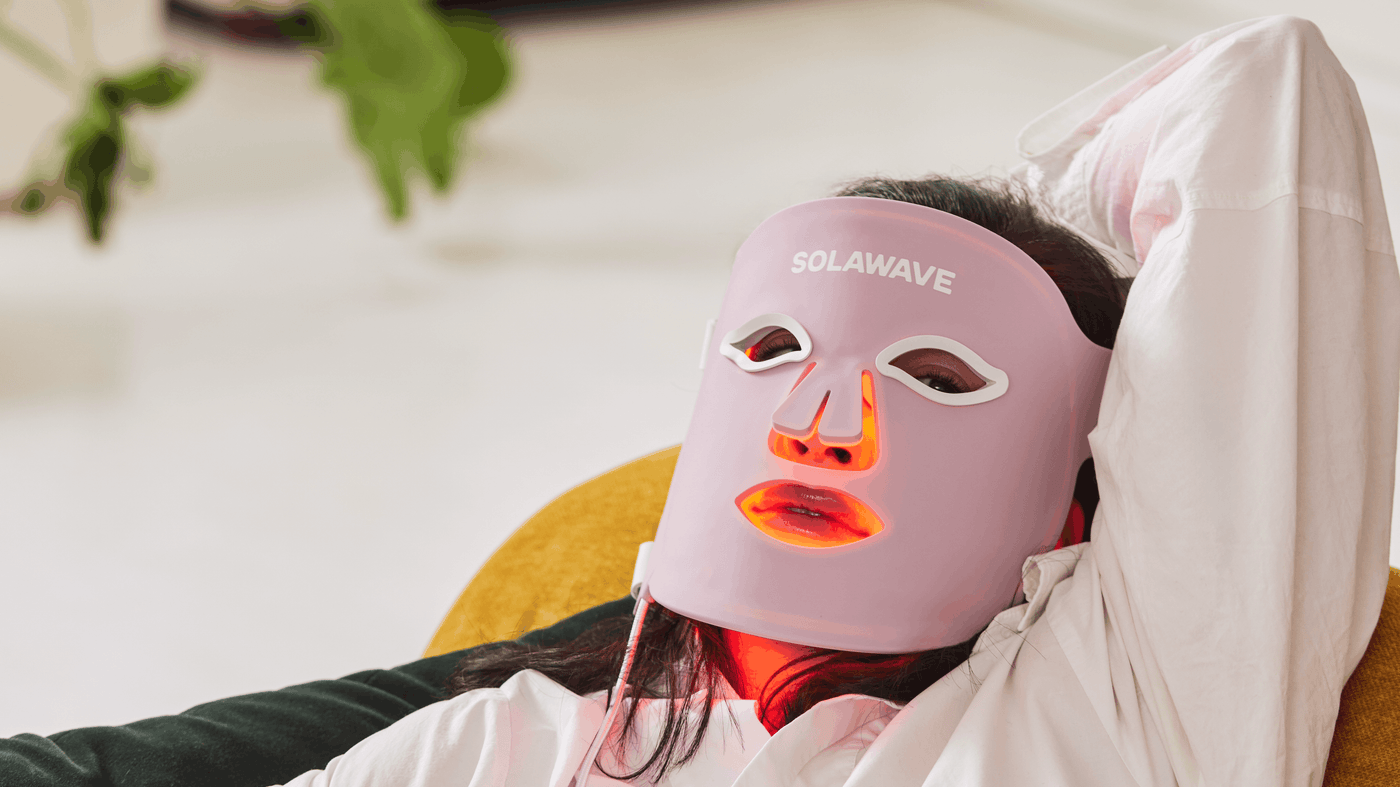
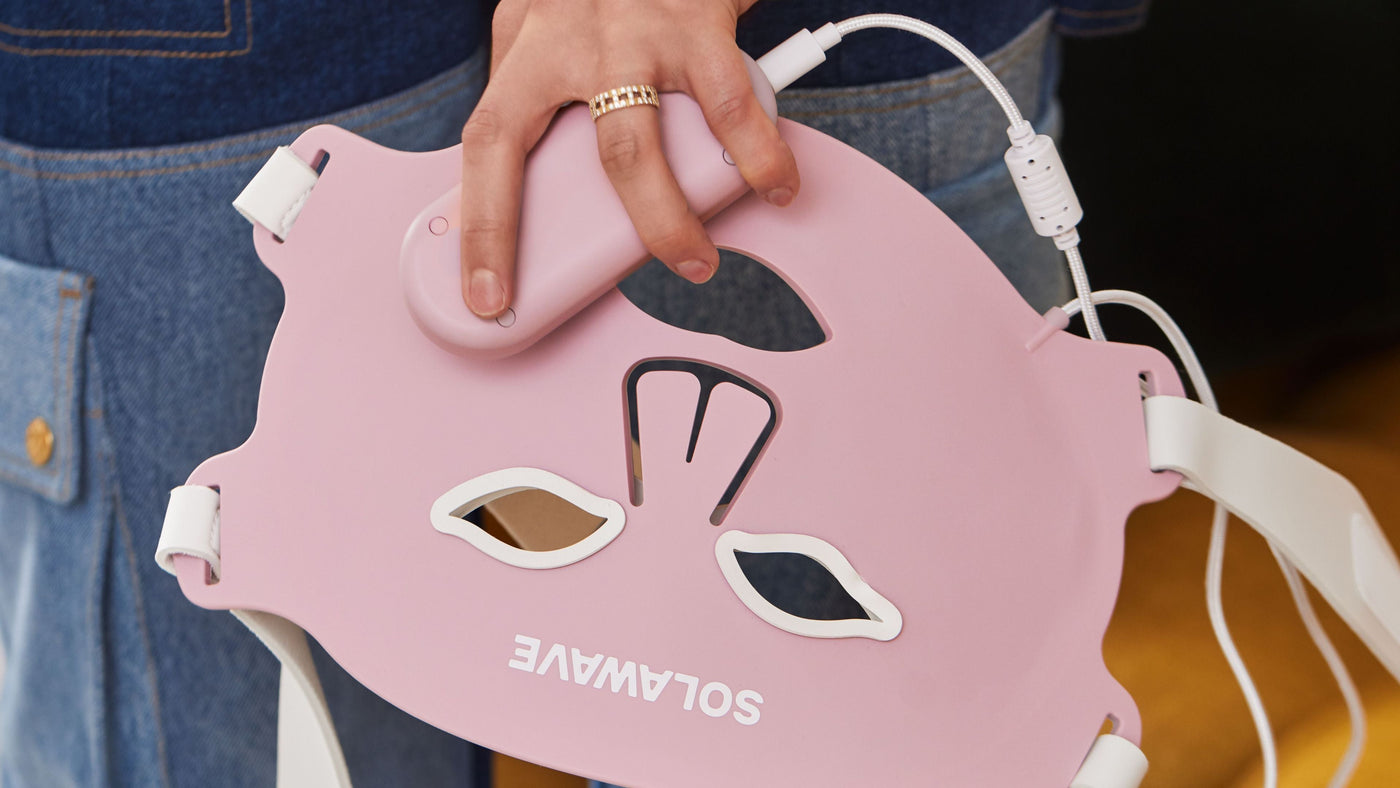
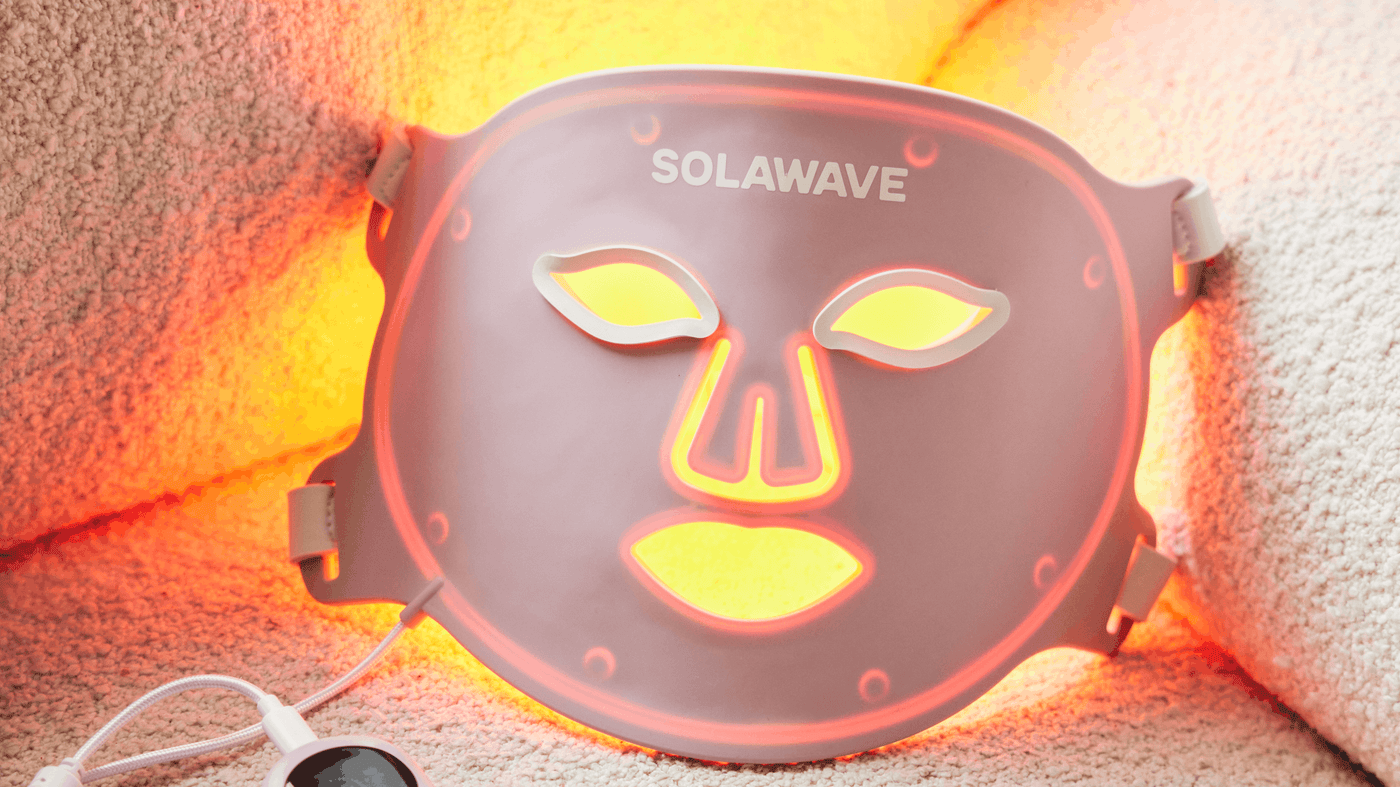
For full-face coverage, the red light therapy face mask delivers four wavelengths of light therapy across the entire face in just 3 minutes per session. It is a gentle, hands-free treatment you can incorporate 3 to 5 times per week for visibly firmer, more radiant skin. At-home options like Solawave are FDA-cleared, making them safe and reliable for regular use. With more brands launching without FDA clearance and therefore uncertain safety protocols, choosing an FDA-cleared device matters.
Making the investment even more accessible, many Solawave purchases may be eligible for coverage with FSA/HSA funds, making it a cost-effective choice for your long-term skin health.
Pimple patches are a simple, effective way to manage blemishes overnight or throughout the day. Apply them to clean, dry skin, leave them on for several hours (or overnight), and replace them once they have absorbed as much as they can.
For even better results, consider pairing pimple patches with Blue Light Therapy as part of a two-step spot treatment routine. The Solawave Bye Acne Pro Kit makes this easy with an FDA-cleared Blue Light Therapy device and serum-infused pimple patches in one convenient bundle.
Curious to see what Light Therapy can do for your skin beyond acne? Explore the full range of Solawave skincare devices and discover how consistent, science-backed routines can help you look and feel your best.
Absolutely. Most pimple patches are transparent or skin-toned, making them discreet enough to wear throughout the day under makeup or on their own. They continue to absorb impurities while protecting the blemish from external irritants.
It is best not to pop your pimple before applying a patch. Popping can introduce bacteria, increase inflammation, and lead to scarring. Hydrocolloid patches are designed to draw out impurities on their own, so let the patch do the work.
You can replace your pimple patch as often as needed. Once a patch turns white or opaque, or if it starts to lose adhesion, remove it and apply a fresh one to continue the treatment process.
Standard hydrocolloid patches are most effective on surface-level blemishes like whiteheads. For deeper, cystic acne, medicated or microneedle patches may offer better results. However, persistent cystic acne should be evaluated by a dermatologist for personalized treatment options.
Yes, you can use pimple patches nightly on active blemishes. Overnight wear gives the hydrocolloid material extended time to absorb impurities and reduce the appearance of the pimple while you sleep.
Light Therapy and pimple patches serve different purposes. Blue Light Therapy targets acne-causing bacteria and helps reduce sebum production, while pimple patches absorb impurities and protect the blemish. Using both together gives you a more complete approach to managing breakouts.
Solawave offers the Bye Acne Blue Light Therapy spot treatment device specifically for targeting acne. For broader skincare concerns like fine lines and overall radiance, the red light therapy wand and red light therapy face mask are excellent options. Explore the full Solawave collection to find the right fit for your routine.