Rated 4.7 out of 5 stars
4.7 / 5


726,000+ customers
Free 60-Day Returns
1-Year Warranty
726,000+ customers
Free 60-Day Returns
1-Year Warranty
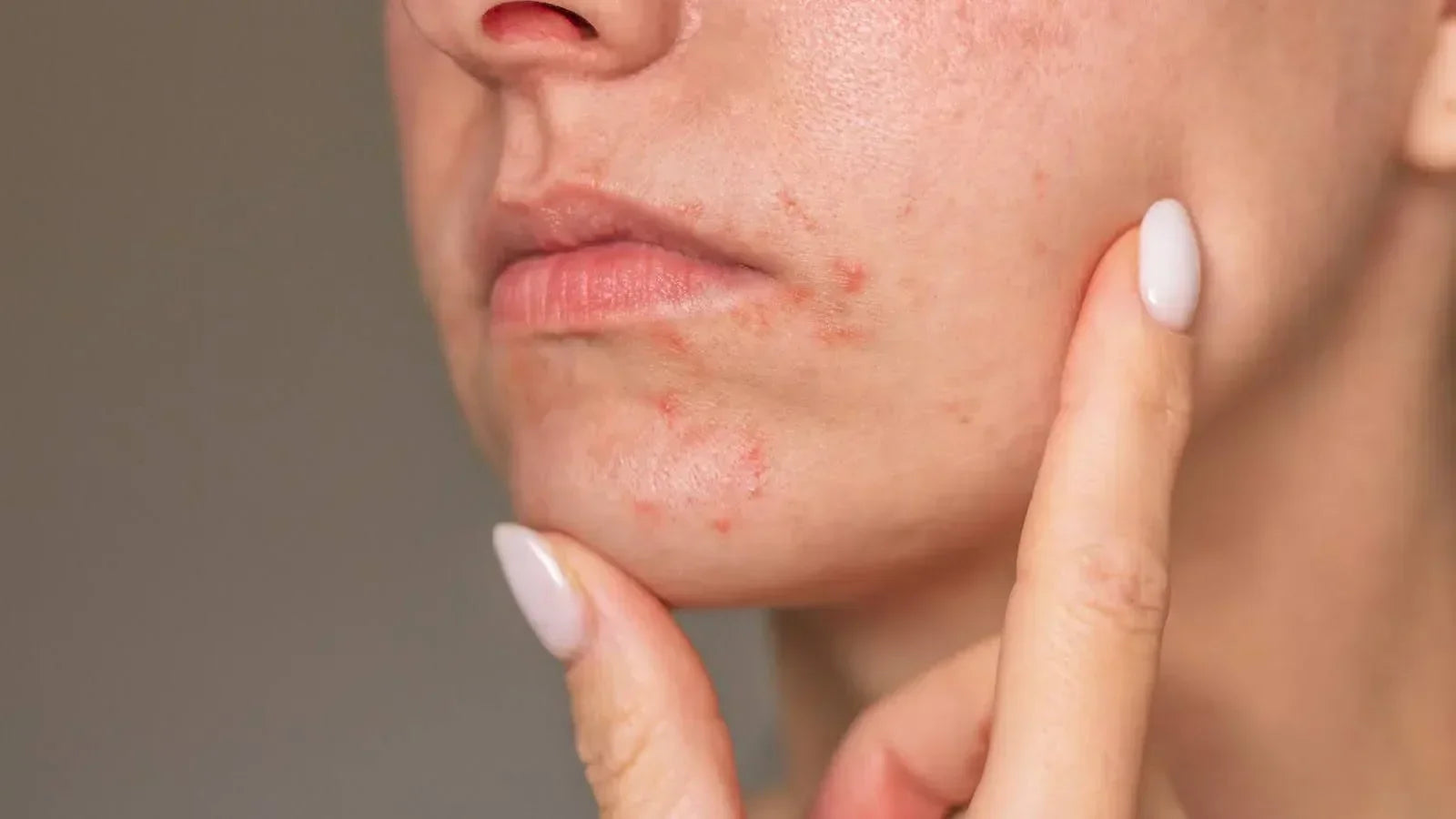
If you've noticed a red, bumpy rash forming around your mouth, you might be dealing with perioral dermatitis. Understanding what perioral dermatitis is, what causes it, and how to recognize its symptoms can help you take the right steps toward clearer, healthier-looking skin.
Perioral dermatitis is a facial rash that typically appears around the mouth. The name itself provides clues about its location: "peri" means "around" and "oral" refers to the mouth. While the condition most commonly affects the area surrounding the lips, it can also spread to the nose and eyes in some cases.
Perioral dermatitis affects 0.5-1% of people each year in developed countries, with up to 90% of cases occurring in women between the ages of 16 and 45. Children and men can also develop this condition.
The rash often appears as small, red, inflamed bumps called papules. In people with lighter skin tones, these bumps typically appear red, while in those with darker skin, they may be flesh-colored or skin-toned. One distinguishing feature is that the bumps generally don't affect the skin immediately adjacent to the lips but appear a short distance away, creating a characteristic ring-like pattern.
While the exact cause of perioral dermatitis remains unclear, researchers have identified several key perioral dermatitis causes that contribute to its development.
The most significant trigger for perioral dermatitis is the overuse of topical corticosteroid creams, particularly on the face. Research shows a strong association between topical corticosteroid use and the development of this condition. When these creams are applied repeatedly to facial skin, they can disrupt the skin's natural barrier function and lead to inflammation.
Inhaled prescription steroid sprays and nasal corticosteroids have also been linked to perioral dermatitis, as some of the medication can settle on the skin around the mouth and nose.
Heavy moisturizers, face creams, and certain cosmetic products can contribute to perioral dermatitis. These products may create an occlusive barrier on the skin that traps moisture and bacteria, leading to inflammation. Sunscreens have also been identified as potential triggers in some individuals.
Fluorinated toothpaste has been associated with perioral dermatitis in some cases. Additionally, chewing gum and certain dental materials or fillings may play a role in triggering the condition for susceptible individuals.
Hormonal changes, including those related to oral contraceptives, may contribute to the development of perioral dermatitis. This might explain why the condition is more prevalent in women of reproductive age.
Additional perioral dermatitis causes include:
Identifying perioral dermatitis symptoms early can help you seek appropriate care from a healthcare provider. Here are the key signs to watch for:
The hallmark symptom is a red rash circling the mouth. This rash may be scaly, dry, or flaky, with inflamed papules (bumps) as the most common feature.
The affected skin often feels rough or scaly to the touch. You may notice:
Many people with perioral dermatitis experience:
While perioral dermatitis primarily affects the area around the mouth, it can extend to other facial regions. The rash may spread to the skin around the nose (perinasal) or eyes (periocular), earning it the alternate name "periorificial dermatitis," which refers to inflammation around facial openings.
Perioral dermatitis is often mistaken for acne or rosacea due to its appearance. Unlike acne, it typically doesn't involve blackheads or whiteheads. The bumps cluster specifically around the mouth rather than appearing across the entire face, and acne treatments may actually worsen symptoms. Rosacea usually affects the cheeks, nose, and forehead more broadly, while perioral dermatitis has a distinctive perioral distribution.
If you suspect you have perioral dermatitis, consulting a dermatologist or healthcare provider is essential. Professional evaluation is particularly important because this condition often requires prescription treatments to resolve effectively. Your provider can also help identify potential triggers in your skincare routine or lifestyle that may be contributing to the condition.
While professional medical guidance is necessary for treating perioral dermatitis, maintaining a gentle skincare routine can help support your skin's overall health during recovery.
Consider simplifying your skincare routine by using mild, fragrance-free cleansers and avoiding heavy moisturizers or cosmetics on the affected areas. If you've been using topical steroid creams, your healthcare provider will likely recommend discontinuing them, though they'll guide you through this process to avoid potential flare-ups.
Once your perioral dermatitis has resolved with proper medical treatment, you may consider incorporating gentle skincare tools to support overall skin health. The 4-in-1 Skincare Wand combines red light therapy with facial massage, therapeutic warmth, and galvanic current. The wand requires a water-based serum like the LightBoost Activating Serum to work properly and activate all four technologies. However, always consult your healthcare provider before incorporating new skincare tools while managing any skin condition.
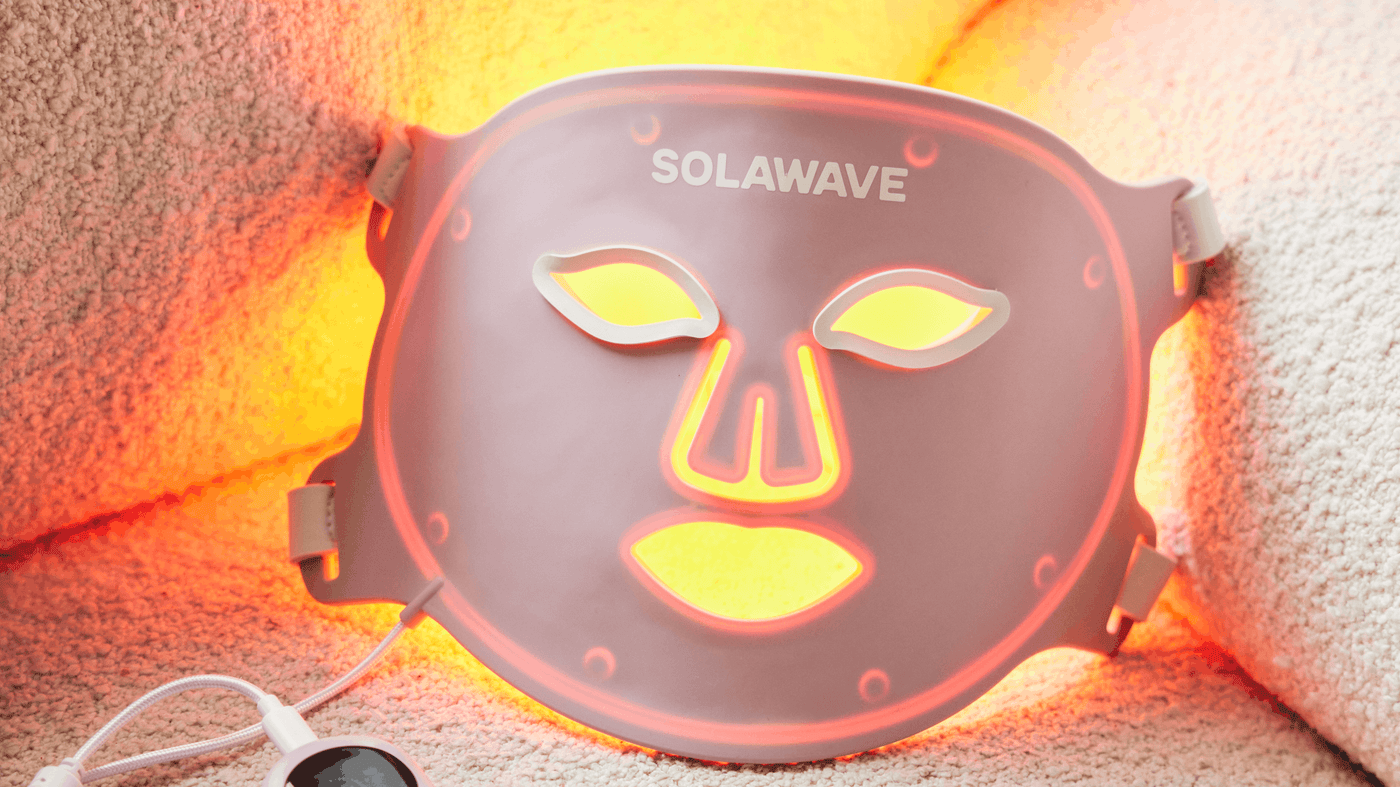
For those looking for a gentle, hands-free option after recovery, the Wrinkle Retreat Pro LED Face Mask is FDA-cleared and features 320 medical-grade LEDs delivering four wavelengths of light therapy in just 3-minute sessions. Again, professional guidance is essential before using any device on previously affected skin.
Understanding what perioral dermatitis is empowers you to recognize the condition and seek appropriate care. While the exact perioral dermatitis causes remain somewhat unclear, common triggers like topical steroid use, heavy skincare products, and fluorinated toothpaste have been well-documented. By learning to identify perioral dermatitis symptoms early, including the characteristic ring-like rash, inflamed bumps, and burning sensations, you can work with a healthcare provider to develop an effective treatment plan. With proper medical guidance and a simplified skincare routine, most people can successfully manage perioral dermatitis and return to clearer, more comfortable skin.
Ready to support your skin's health? Shop Solawave devices today.
No, perioral dermatitis is not contagious. You cannot spread it to another person through contact, and it's not caused by an infection that can be transmitted.
The duration varies significantly from person to person. Without treatment, perioral dermatitis can persist for weeks, months, or even years. With appropriate medical treatment prescribed by a healthcare provider, symptoms often improve more quickly, though the exact timeline depends on individual factors and treatment response.
No, they are different conditions, though people with a history of eczema may be at increased risk for developing perioral dermatitis. Eczema can interfere with the skin's barrier function, potentially making individuals more susceptible to perioral dermatitis.
Based on common perioral dermatitis causes, consider avoiding topical steroid creams (unless prescribed by your doctor for other conditions), heavy facial moisturizers, fluorinated toothpaste, and cosmetic products on the affected areas. Your healthcare provider can give you specific guidance based on your situation.
Yes, while perioral dermatitis most commonly affects women between the ages of 16 and 45, both men and children can develop this condition. Children between 7 months and 13 years old may be particularly susceptible.
 News
News