Rated 4.7 out of 5 stars
4.7 / 5


726,000+ customers
Free 60-Day Returns
1-Year Warranty
726,000+ customers
Free 60-Day Returns
1-Year Warranty
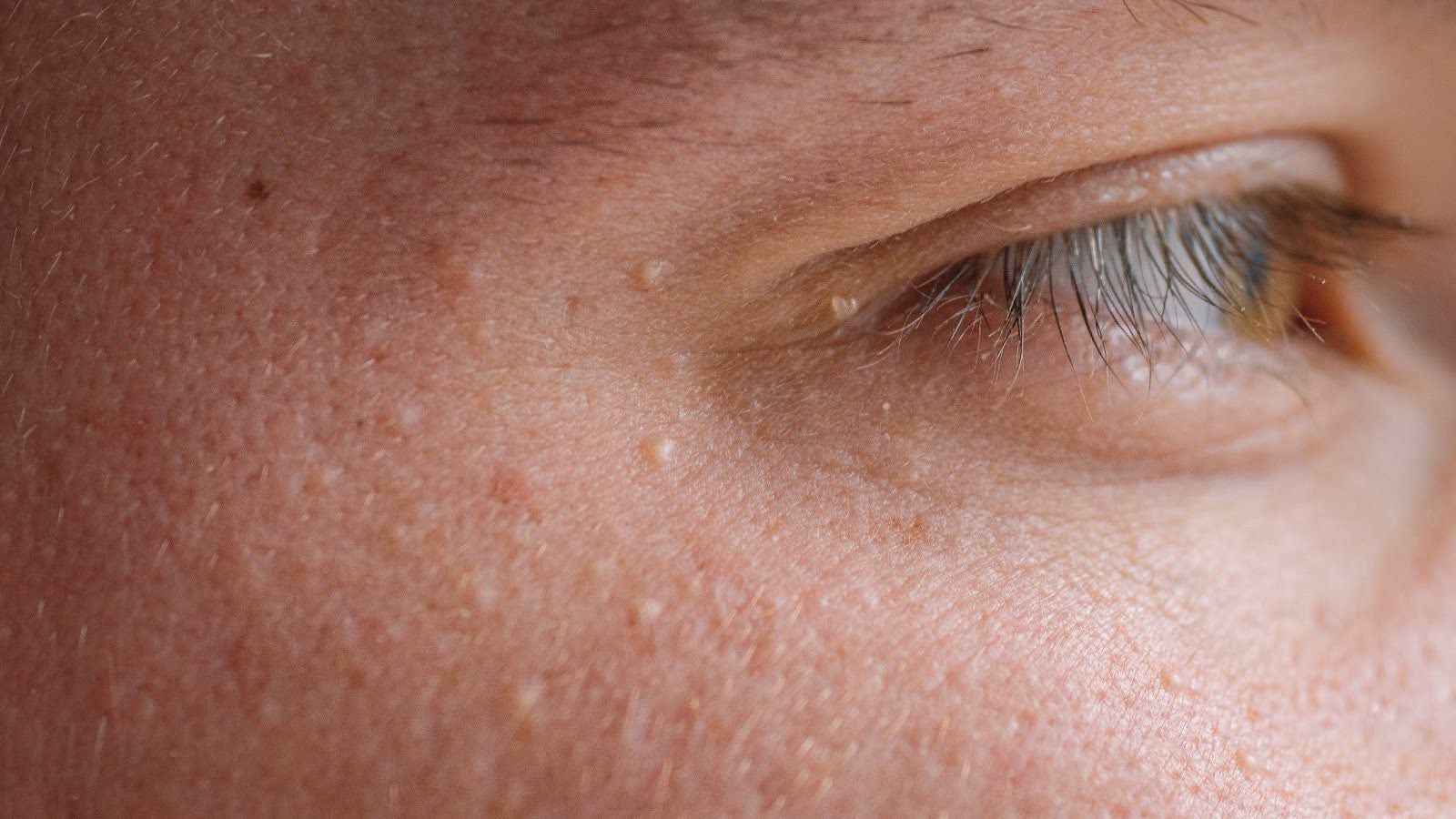
You've probably noticed those stubborn tiny white bumps on skin that don't pop like regular pimples and refuse to disappear no matter what products you try. Unlike acne that eventually runs its course, milia seem permanently lodged beneath your skin's surface.
What is milia exactly, and why does your skin produce them? Understanding the root cause helps you choose treatments that actually work instead of wasting money on products designed for completely different skin concerns.
Milia are small keratin-filled cysts forming just beneath the skin's surface. Keratin the same protein making up your hair and nails, becomes trapped under a thin layer of skin, creating characteristic pearly white or yellowish bumps.
Unlike other skin concerns, milia have no connection to pores or hair follicles whatsoever.
The face remains the most frequent spot, particularly around the eyes, cheeks, nose, and forehead. Newborns frequently develop milia (called neonatal milia), which typically resolve within weeks. Adult milia prove far more persistent and often require intervention.
Most milia measure between 1-2 millimeters, roughly pinhead size. A clinical overview, Dermatology Advisor describes them as dome-shaped, firm to the touch, and completely painless. Multiple milia often cluster together, creating a bumpy texture across affected areas.
The causes of milia vary depending on whether you're dealing with primary or secondary types. Primary milia develop spontaneously, while secondary milia result from specific triggers or skin damage.
Knowing your milia type guides you toward the most effective treatment approach.
| Milia Type | Cause | Common Triggers | Who Gets Them |
|---|---|---|---|
| Primary | Trapped dead skin cells | Sluggish cell turnover, heavy products | Anyone, especially adults 30+ |
| Secondary | Skin trauma or damage | Burns, laser treatments, and sun damage | Post-procedure patients |
| Neonatal | Developing sweat ducts | Natural newborn development | Infants (resolves naturally) |
Primary milia form when dead skin cells become trapped beneath the surface instead of shedding naturally. Sluggish cell turnover, often linked to aging, genetics, or insufficient exfoliation, allows keratin to accumulate where it shouldn't.
Heavy skincare products contribute significantly to. Rich eye creams, occlusive moisturizers, and thick sunscreens trap dead cells beneath the surface, especially around delicate facial areas.
Secondary milia develop after skin trauma or damage. Burns, blistering injuries, dermabrasion, laser treatments, and long-term sun damage can trigger milia formation during healing.
Certain medications, particularly topical steroids used long-term, also increase milia risk by disrupting the skin's natural renewal process.
Confusing milia with whiteheads leads many people down ineffective treatment paths. Milia vs whiteheads involves key differences affecting which products and approaches actually help.
Understanding these distinctions saves you from frustrating trial and error.
Whiteheads form inside pores when sebum, dead cells, and bacteria become trapped—creating soft, slightly raised bumps with thin skin covering. Squeezing a whitehead (though not recommended) releases its contents.
Milia form completely independently of pores. No pore opening exists, which explains why squeezing accomplishes absolutely nothing. Milia feel firmer than whiteheads and appear more pearl-like rather than flesh-toned.
Acne treatments targeting whiteheads, like benzoyl peroxide and salicylic acid, work by penetrating pores and killing bacteria. Since milia have no pore connection, tiny white bumps on the skin caused by keratin buildup won't respond to antibacterial treatments.
Milia on the face treatment requires approaches focused on cell turnover and gentle exfoliation rather than pore-clearing action.
Effective milia on face treatment addresses underlying cell turnover issues rather than attempting to "dry out" bumps like you would with acne.
Several approaches show genuine results when used consistently over time.
Dermatologists and estheticians use sterile needles or lancets to create tiny openings, then extract milia contents safely. Professional extraction remains the fastest way to remove existing milia without scarring or infection risk.
Topical retinoids accelerate cell turnover, preventing dead cells from becoming trapped. A study in the British Journal of Dermatology confirmed that consistent retinoid use significantly reduces milia occurrence by normalizing the skin's natural shedding process.
Red light therapy supports healthy cellular function and turnover from deeper skin layers. While not a direct milia remover, consistent light therapy sessions complement topical treatments beautifully.
The 4-in-1 Skincare Wand delivers targeted red light therapy alongside therapeutic warmth, galvanic current, and facial massage. Using the wand with LightBoost Wand Activating Serum ensures all four technologies work synergistically for optimal skin renewal support.
How to prevent milia matters just as much as treating existing bumps, especially if you're prone to recurring milia that keep appearing after removal.
Prevention focuses on keeping cell turnover healthy and avoiding products that trap dead cells.
Regular exfoliation, both chemical and physical, prevents dead cell buildup beneath the surface. Alpha hydroxy acids like glycolic acid dissolve bonds between dead cells, encouraging proper shedding before keratin accumulates.
Retinol applied two to three nights weekly maintains healthy cell turnover without over-irritating skin.
Avoid heavy, occlusive products around milia-prone areas, particularly the delicate eye zone. Lightweight, non-comedogenic formulations reduce the chance of trapping dead cells beneath the surface.
Petroleum-based products and thick facial oils deserve particular caution if milia keep recurring despite treatment.
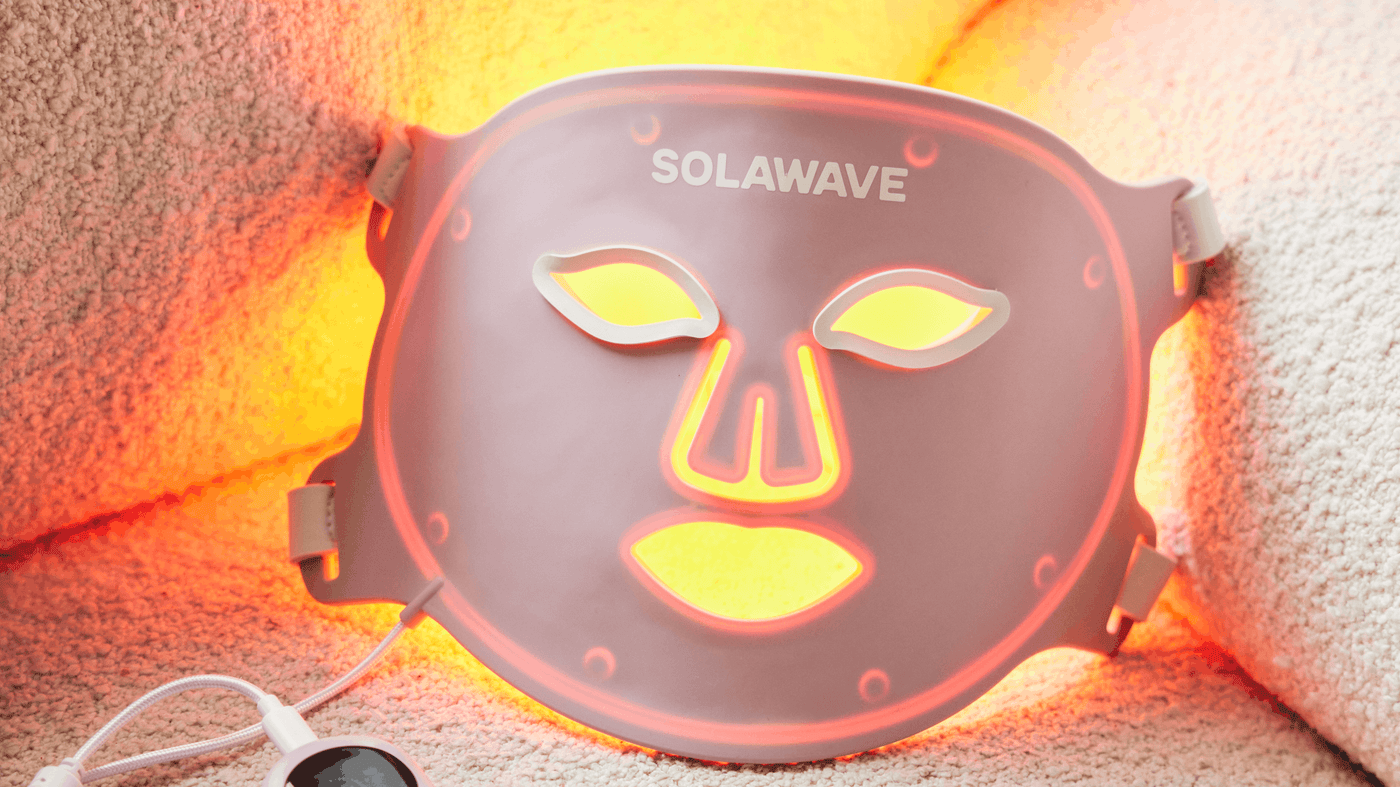
Light therapy 3-5 times weekly supports overall skin health and cellular function. The Wrinkle Retreat Pro Face Mask treats the entire face in just 3 minutes, delivering red and near-infrared wavelengths supporting healthy skin renewal.
At-home options like Solawave are FDA-cleared, making them safe for consistent use. Many newer brands launch without FDA clearance or verified safety protocols, so choosing properly cleared devices protects your skin long-term.
Sun damage thickens the outer skin layer, making proper cell shedding more difficult. Daily SPF 30+ protects against UV exposure, contributing to the causes of milia over time.
Solawave's FDA-cleared devices complement your milia prevention routine with science-backed technology designed for real results.
Causes of milia include sluggish cell turnover, heavy skincare products trapping dead cells, sun damage, skin trauma, and genetic predisposition to keratin buildup beneath the skin surface.
Adult milia rarely resolve without intervention, unlike neonatal milia in newborns. Professional extraction or consistent retinoid use typically proves necessary for adult milia removal.
Milia vs whiteheads differ in formation; milia are keratin cysts with no pore opening, while whiteheads form inside clogged pores. Milia feel firmer and appear more pearl-like.
Heavy eye creams, petroleum-based products, thick facial oils, and occlusive moisturizers increase milia risk. Lightweight, non-comedogenic formulations work better for how to prevent milia.
Professional extraction provides immediate results. Topical retinoid treatments typically require 4-8 weeks of consistent use before noticeable improvement.
 News
News