Rated 4.7 out of 5 stars
4.7 / 5


726,000+ customers
Free 60-Day Returns
1-Year Warranty
726,000+ customers
Free 60-Day Returns
1-Year Warranty
Noticing sagging skin along your jawline or deeper creases around your mouth can feel frustrating. If you have wondered what a facelift is and whether surgical intervention is right for you, understanding your options is the first step toward making an informed decision.
A facelift, medically known as rhytidectomy, is a surgical procedure designed to reduce visible signs of aging in the face and neck. However, surgery is not the only path forward. For those seeking gentler approaches, at-home red light therapy devices offer non-invasive alternatives worth considering.
A facelift addresses sagging skin, deep folds, and loss of muscle tone in the lower two-thirds of the face. Surgeons make incisions along the hairline and around the ears, then tighten facial muscles, remove excess skin, and reposition tissues. Results typically last seven to ten years.
Understanding the different types of facelift procedures helps you determine which approach, if any, aligns with your goals.
The mini facelift targets early signs of aging in the lower face and jawline. Smaller incisions mean less tissue manipulation and quicker recovery. Often called the "weekend facelift," the procedure works well for patients in their 40s to early 50s with mild skin laxity. Results typically last five to eight years.
A traditional facelift addresses the entire face and neck area. Surgeons make extensive incisions along the hairline, around the ears, and under the chin to tighten muscles and remove excess skin. This approach suits patients with moderate to significant facial aging.
The deep plane technique targets deeper tissue layers rather than just the skin surface. Surgeons reposition facial muscles for more natural-looking, longer-lasting results. This addresses drooping cheeks, jawline concerns, and neck sagging. Results can last 10 to 15 years.
A SMAS (Superficial Musculoaponeurotic System) facelift mobilizes the tissue layer beneath the skin without releasing all facial ligaments. While effective for some patients, results may not be as dramatic or long-lasting as deep plane techniques.
Every surgical procedure carries risks. Knowing potential complications helps you weigh benefits against downsides.
Hematoma, or serious bruising, is the most common complication, occurring in 3% to 8% of cases according to medical research. Nerve injury causing facial weakness is rare, at 0.1% to 1% of procedures.
Other potential complications include anesthesia reactions, skin sensation changes, and prolonged swelling. Smokers face significantly higher risks, and about 50% of surgeons decline to perform facelifts on active smokers.
Initial bruising and swelling last two to three weeks. Most patients return to work within two weeks, though strenuous exercise requires waiting four weeks. Full recovery takes two to three months.
Surgical facelifts produce visible changes, but understanding limitations prevents disappointment. A facelift cannot stop the aging process, only turn back the clock temporarily. Facelift before and after results vary based on skin quality, bone structure, and lifestyle factors.
Candidates with good skin elasticity and realistic expectations tend to achieve the best outcomes.
Not everyone is ready for surgery. When comparing surgical vs non-surgical facelift options, non-invasive alternatives offer several advantages: no incisions, minimal downtime, lower cost, and reduced risk.
Red light therapy has emerged as a popular non-invasive option for skin rejuvenation, working at the cellular level to support collagen production. For targeted treatment, a red light therapy wand combines four technologies: red light at 630nm, therapeutic warmth, galvanic current, and facial massage. Pair it with the LightBoost Hyaluronic Serum to maximize results.
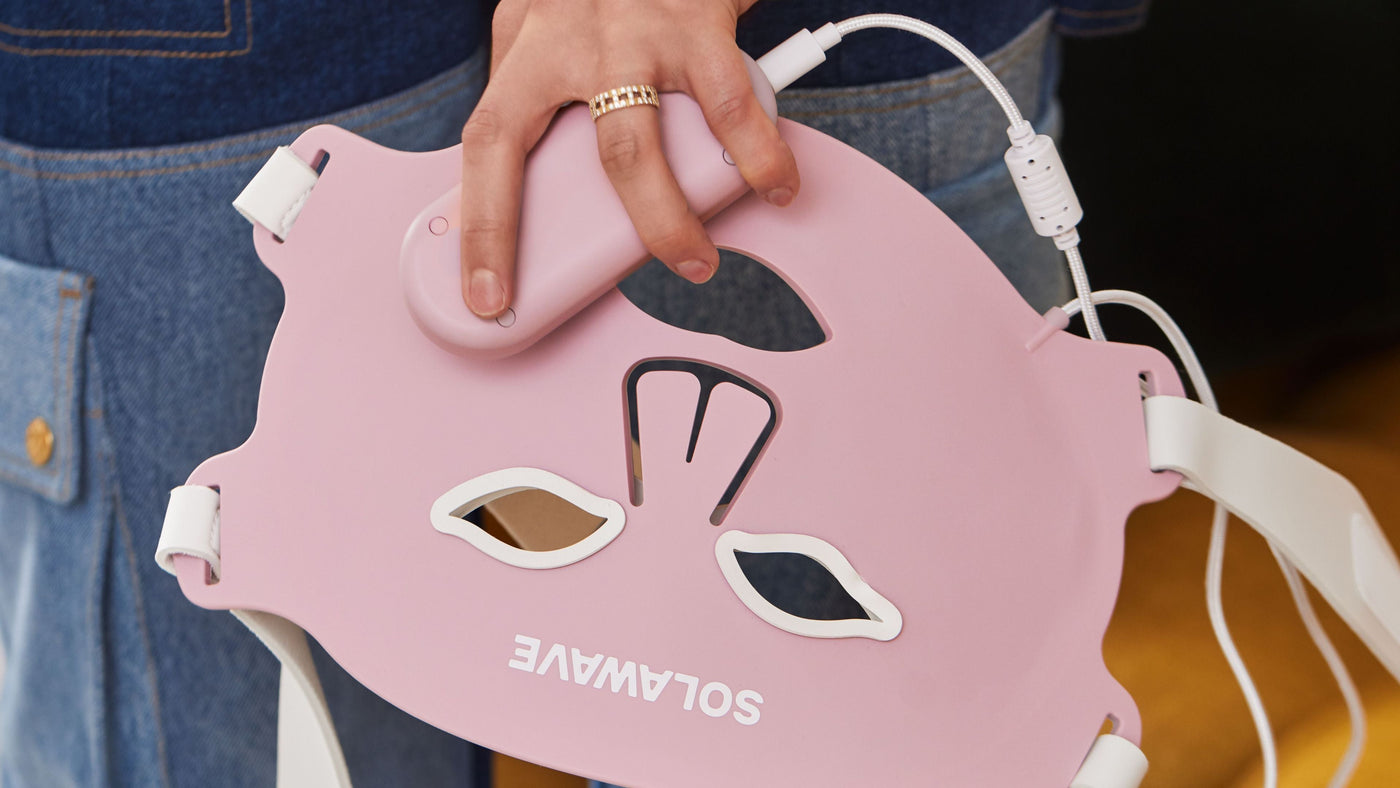
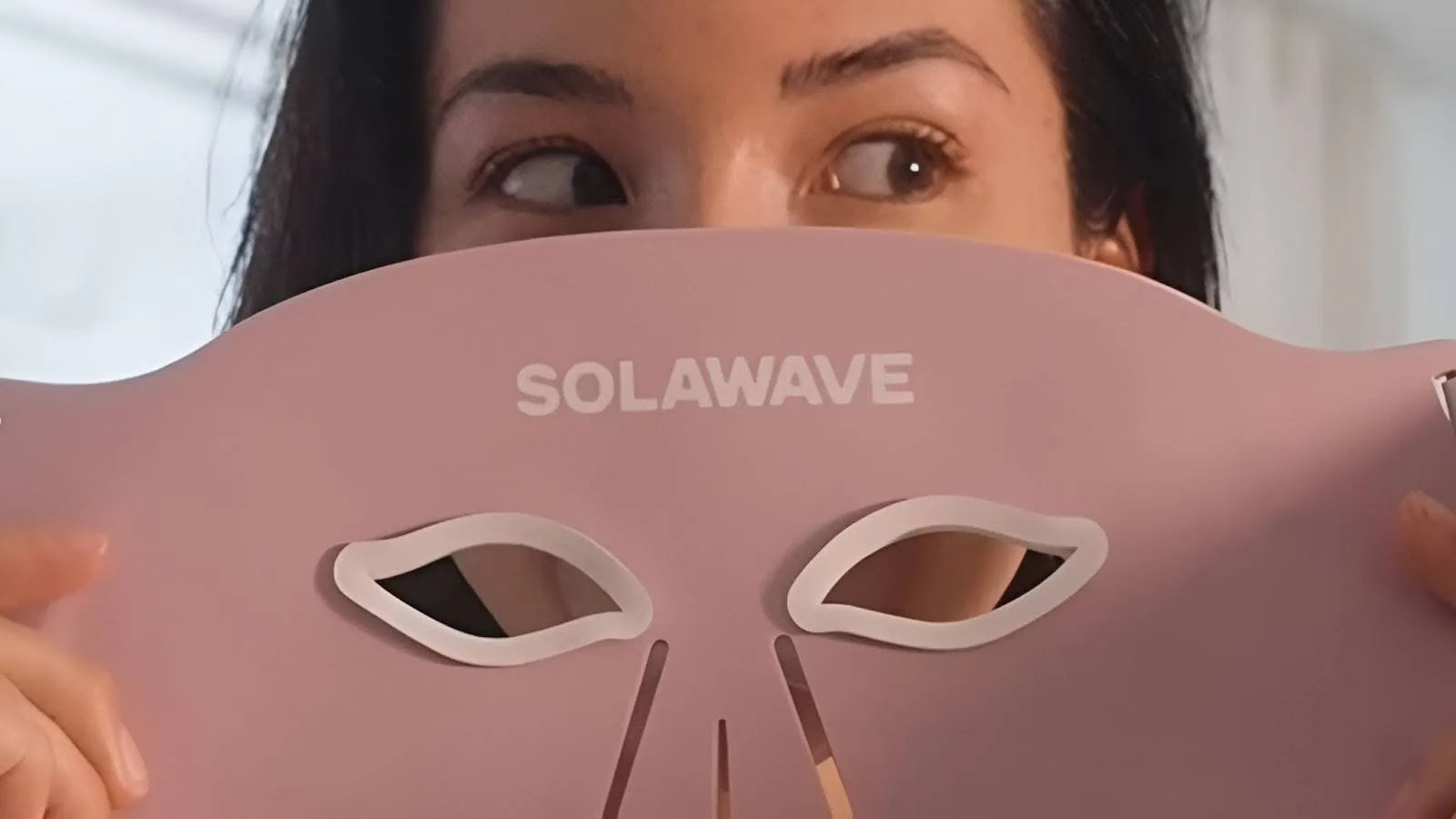
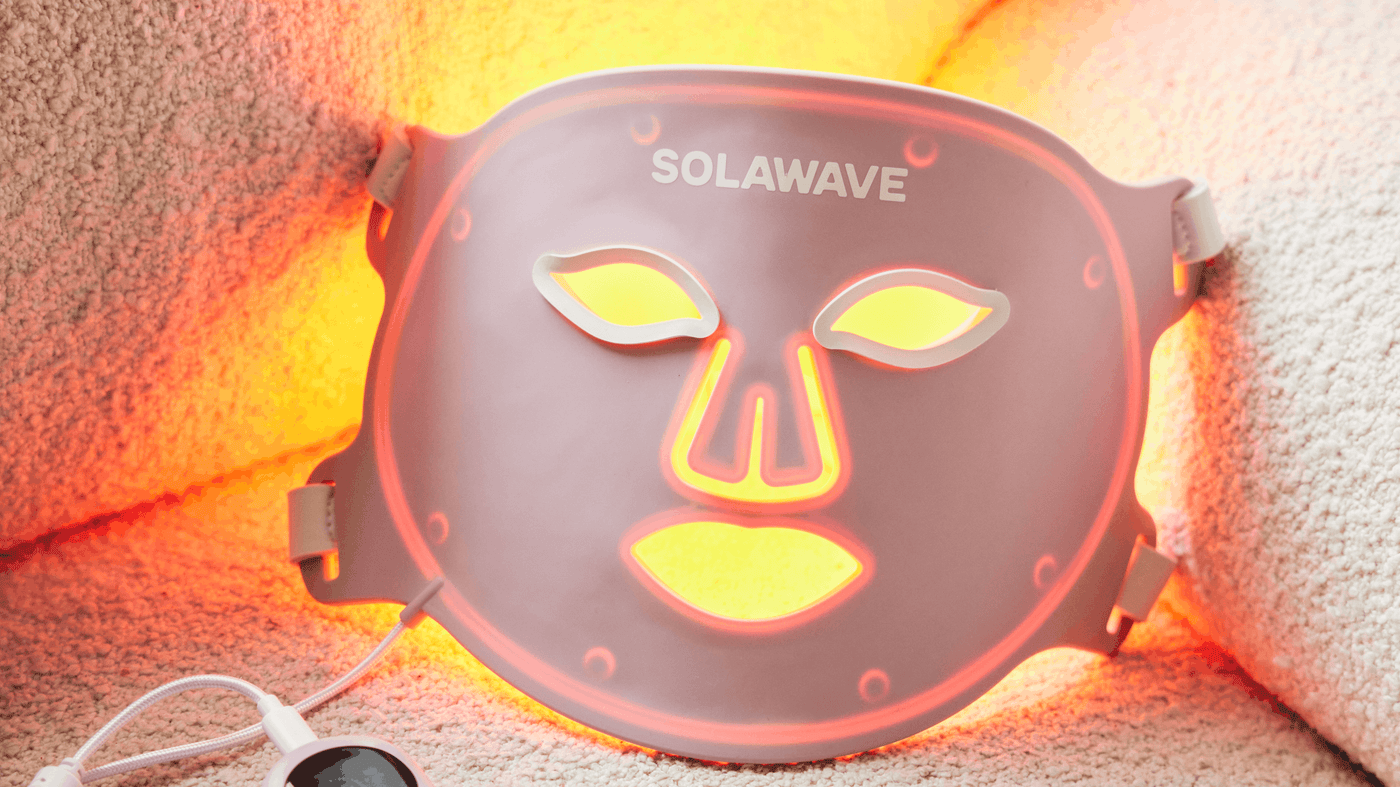
For full-face sessions, a red light therapy face mask delivers four wavelengths in just 3 minutes. When considering how often to use LED face masks, consistency matters most. Customers typically see visible improvements within 8 weeks.
In-office options include radiofrequency treatments, ultrasound therapy, and thread lifts. Results typically last one to three years, requiring maintenance treatments. While non-surgical methods work well for mild to moderate concerns, they cannot replicate surgical results for severe skin laxity.
If you want science-backed skincare without surgery, Solawave offers FDA-cleared devices that deliver professional-grade results at home. The Wrinkle Retreat Pro LED Face Mask features 320 LEDs across four wavelengths for comprehensive coverage. With 27+ beauty awards and dermatologist recommendations, these devices provide gentle, non-invasive treatment with no downtime.
Many purchases are FSA/HSA eligible. You might also wonder what to apply before red light therapy for the best results.
Deciding between surgical and non-surgical options requires an honest assessment of your concerns and risk tolerance. For those with early signs of aging, at-home red light therapy offers a gentle approach that fits your needs. Browse the full collection to find what works for you.
Results typically last seven to ten years. Deep plane facelifts offer the longest-lasting results at 10 to 15 years.
Yes. At-home red light therapy devices stimulate collagen production and visibly improve skin texture. Professional options include radiofrequency and ultrasound treatments.
The most common complication is hematoma (serious bruising), occurring in 3% to 8% of cases. Nerve injury is rare, at 0.1% to 1%. Smokers face higher risks.
 News
News