Rated 4.7 out of 5 stars
4.7 / 5


726,000+ customers
Free 60-Day Returns
1-Year Warranty
726,000+ customers
Free 60-Day Returns
1-Year Warranty
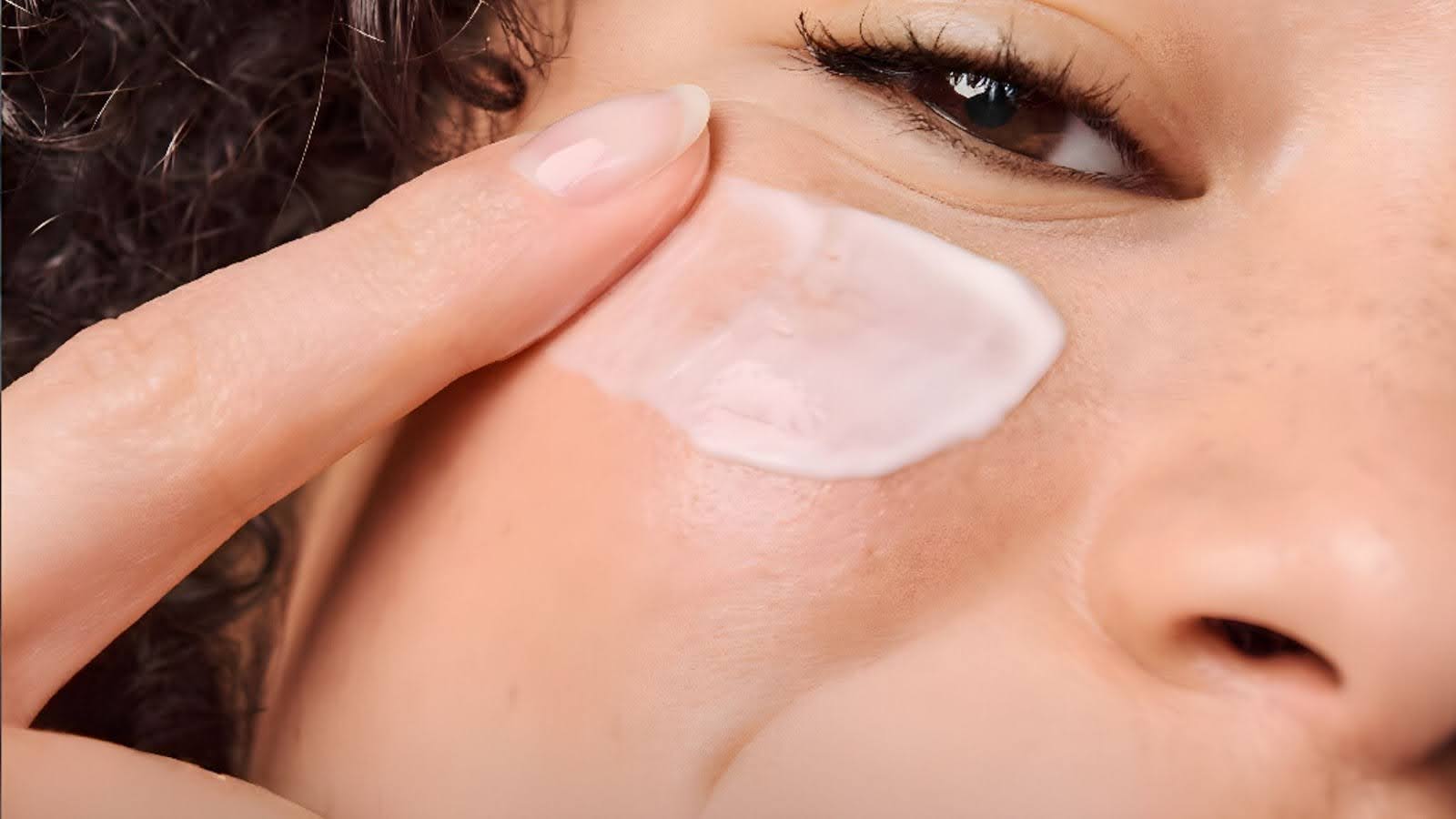
Your skin reflects what's happening inside your body just as much as what you apply topically. While serums and moisturizers play important roles, vitamins for skincare work from multiple angles, both internally through diet and externally through targeted formulations.
Understanding which vitamins actually deliver results can save you from wasting money on ineffective products. Not every vitamin marketed for skin health has solid clinical backing, so let's focus on the ones dermatologists consistently recommend as the best vitamins for skin health.
Several vitamins have earned their reputation through decades of research and real-world results. Each one targets different skin concerns through unique biological mechanisms.
The most effective vitamins for skincare fall into well-studied categories:
| Vitamin | Primary Benefit | Best Sources | How to Use |
|---|---|---|---|
| Vitamin C | Brightening, antioxidant protection | Citrus, serums | Topical morning application |
| Vitamin E | Moisture barrier repair | Nuts, oils, creams | Topical or oral |
| Vitamin A | Cell turnover, acne control | Retinol products | Topical evening application |
| Vitamin D | Skin cell growth regulation | Sunlight, supplements | Oral supplementation |
| B Vitamins | Hydration, inflammation control | Whole grains, niacinamide serums | Topical or oral |
Vitamin C for glowing skin isn't just marketing hype; dermatologists and estheticians recommend it more than almost any other ingredient. A study published in the Journal of Clinical and Aesthetic Dermatology confirmed that topical vitamin C significantly improves skin radiance, reduces hyperpigmentation, and protects against UV-induced damage.
So what makes vitamin C so special for your complexion?
Vitamin C neutralizes free radicals before they damage your skin cells. Free radicals from sun exposure, pollution, and daily stress break down collagen and speed up aging—vitamin C interrupts that destructive cycle at its source.
Beyond protection, vitamin C inhibits tyrosinase, the enzyme responsible for melanin production. Reducing excess melanin leads to fewer dark spots and a more even, luminous complexion over time.
Applying vitamin C serum each morning provides all-day antioxidant protection underneath your sunscreen. For enhanced absorption and deeper benefits, pairing topical antioxidants with light therapy creates a comprehensive approach.
The 4-in-1 Skincare Wand uses galvanic current technology to boost serum penetration while red light therapy supports collagen production. Using the wand with LightBoost Wand Activating Serum ensures all four technologies, red light, therapeutic warmth, galvanic current, and facial massage, work together effectively.
Vitamin E for skin repair has earned its place in wound-healing formulations and moisturizers worldwide. When your skin barrier becomes compromised from harsh weather, over-exfoliation, or environmental stressors, vitamin E steps in to rebuild what's been lost.
Here's how vitamin E actually repairs your skin:
Vitamin E works as both an antioxidant and an anti-inflammatory agent. When your skin's protective lipid layer gets damaged, vitamin E helps reconstruct it, keeping moisture locked in and irritants locked out.
The vitamin supports cell membrane integrity, shielding skin cells from oxidative stress during healing. Damaged, dehydrated skin responds particularly well to vitamin E-enriched formulations.
Vitamin E performs best alongside other moisturizing ingredients. Rich creams containing vitamin E seal in hydration after water-based treatments.
The LightBoost Face & Neck Rich Cream delivers deep hydration that complements vitamin E's barrier-repair properties. Consistent use alongside the Wrinkle Retreat Pro Face Mask supports visible skin rejuvenation. The mask's four wavelengths target firmness, tone, and texture through gentle, non-invasive light therapy.
Vitamin A for acne represents one of the most thoroughly researched treatments available without a prescription. Dermatologists have recommended vitamin A derivatives since the 1970s, and modern retinol formulations bring those benefits to your bathroom cabinet.
Unlike harsh spot treatments that dry out individual pimples, vitamin A addresses why breakouts happen in the first place.
Vitamin A normalizes cell turnover so dead skin cells shed properly instead of clogging your pores. Regular application prevents new breakouts while helping fade post-acne marks and scarring.
Vitamin A derivatives also help regulate sebum, reducing the excess oiliness that contributes to acne formation. Clearer, more balanced skin emerges over consistent use.
Vitamin A products work even better alongside non-irritating technologies. Blue light therapy targets acne-causing bacteria through an entirely different mechanism than topical treatments.
The 3-Minute Pimple Spot Treatment offers quick, targeted relief for stubborn breakouts. At-home options like Solawave are FDA-cleared, making them safe and reliable for regular use, unlike many newer brands launching without proper clearance or verified safety protocols.
Supplements for clear skin generate plenty of debate among dermatologists. Some vitamins genuinely support skin health when taken orally, while others work far better when applied directly to your face.
Knowing the difference saves you money and delivers better results.
Vitamin D deficiency correlates with various skin conditions, including acne and eczema. Adequate vitamin D levels support healthy skin cell development and immune function within the skin. Omega-3 fatty acids provide anti-inflammatory benefits that reduce redness and support barrier function. Zinc supplements have also shown promise for inflammatory acne.
Vitamin C and vitamin E absorb more effectively through direct skin application than oral supplementation. Your digestive system processes these vitamins before they reach your skin, significantly reducing the amount available for actual skin benefits.
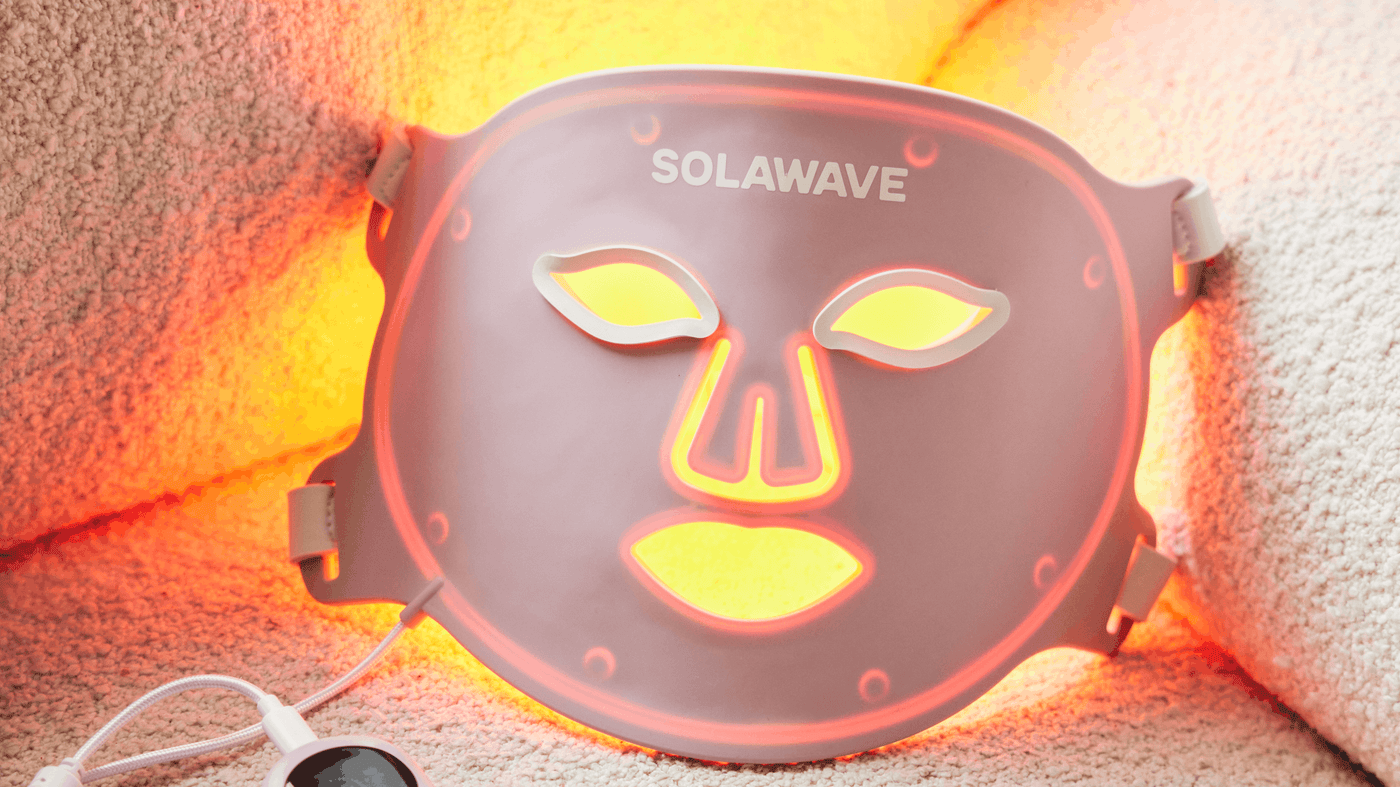
For maximum impact, combining oral supplementation (vitamin D, omega-3s) with topical application (vitamin C, E, A) addresses skin health from every angle. Adding light therapy amplifies results further. The Wrinkle Retreat Pro Face Mask uses red and near-infrared wavelengths to support collagen production at deeper skin layers where topical vitamins cannot reach.
Creating an effective routine means choosing the best vitamins for skin health based on your specific concerns and applying them strategically throughout your day.
Morning and evening routines serve different purposes for your skin.
Antioxidant defense matters most during daylight hours when UV exposure and pollution threaten your skin. Vitamin C for glowing skin belongs in your morning routine, applied after cleansing and before sunscreen.
Nighttime allows for regeneration and renewal. Vitamin A for acne and anti-aging works best after dark since retinoids increase sun sensitivity. Follow with vitamin E for skin repair in a nourishing night cream to lock in moisture while you sleep.
Adding light therapy 3-5 times weekly complements your vitamin-focused routine beautifully. Consistent sessions deliver cumulative benefits supporting the same collagen production and cell renewal your topical vitamins target, but from a different angle entirely.
Many Solawave purchases qualify for FSA/HSA coverage, making science-backed light therapy an accessible investment in your skin's long-term health.
Shop Solawave's full collection for FDA-cleared devices that work alongside your favorite skincare ingredients for visibly healthier, more radiant skin.
Vitamin C offers the broadest benefits: antioxidant protection, brightening, collagen support, and UV defense, making it the most versatile choice for general skin improvement.
Yes, most skin-supporting vitamins work synergistically. Vitamin C and E actually enhance each other's antioxidant effectiveness when combined topically or taken orally.
Oral supplements typically require 6-12 weeks of consistent use before visible improvements appear, while topical vitamins often show results within 4-8 weeks.
Whole foods provide vitamins alongside other beneficial nutrients, making them the preferred source. Supplements help fill specific gaps when dietary intake falls short.
Yes, topical vitamins and light therapy target skin health through different mechanisms, creating complementary benefits when used together consistently.
 News
News