Rated 4.7 out of 5 stars
4.7 / 5


726,000+ customers
Free 60-Day Returns
1-Year Warranty
726,000+ customers
Free 60-Day Returns
1-Year Warranty
Fine lines, reduced firmness, and less definition along the jawline become more noticeable as skin ages. Professional treatments offer results, but the cost and time commitment make them challenging to maintain. At-home skin tightening devices have emerged as a practical alternative, bringing clinical-grade technologies to your daily routine.
The market now offers multiple face-tightening device types, each using different mechanisms to address skin laxity. Understanding how these technologies work and what results to expect helps you choose a device that aligns with your specific concerns and lifestyle.
Modern face tightening devices use three primary technologies, each targeting different aspects of skin aging.
Microcurrent devices deliver low-level electrical currents to facial muscles and skin cells, stimulating the muscles that support your facial structure. Research on home beauty devices shows that microcurrent stimulation affects the skin, subcutaneous tissues, and muscles, achieving anti-aging effects such as improved facial contours and reduction in visible lines.
FDA-cleared microcurrent devices have been evaluated for safety and effectiveness. After each use, you may notice a subtle lift and improved glow from increased circulation. Consistent use over several weeks produces more lasting improvements in facial definition and skin tone.
RF devices generate controlled heat that penetrates the skin's deeper layers, stimulating collagen and elastin production. As we age, collagen production naturally declines, leading to visible sagging and wrinkles.
Clinical research demonstrates that RF technology can reduce wrinkles by 37% and help skin appear firmer in just four weeks of consistent use. Modern RF devices include safety features like temperature sensors that adjust heat levels based on your skin's response.
LED therapy uses specific light wavelengths to target various skin concerns. Red light reaches deeper layers to encourage collagen production and improve circulation. While LED therapy alone may produce subtle results, many devices combine it with other technologies for enhanced benefits.
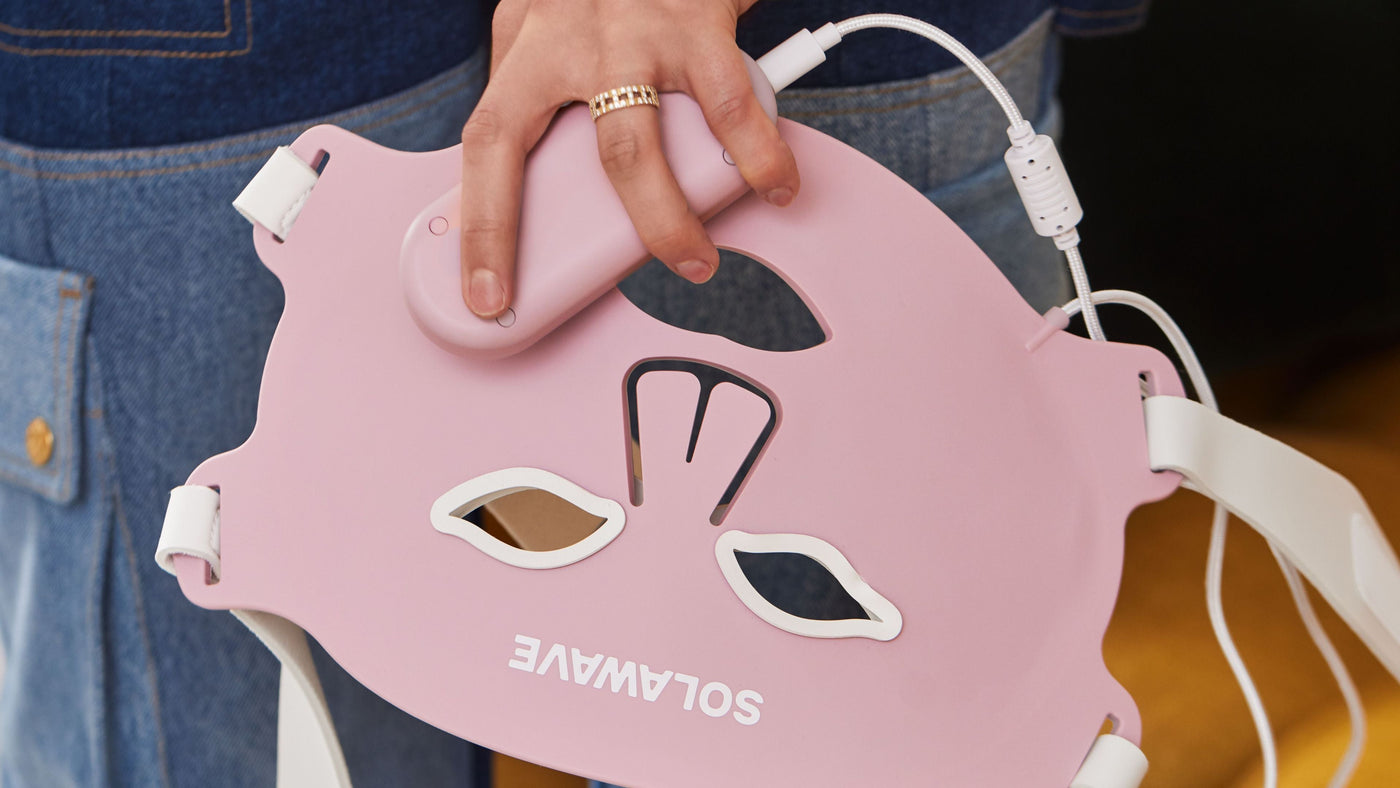
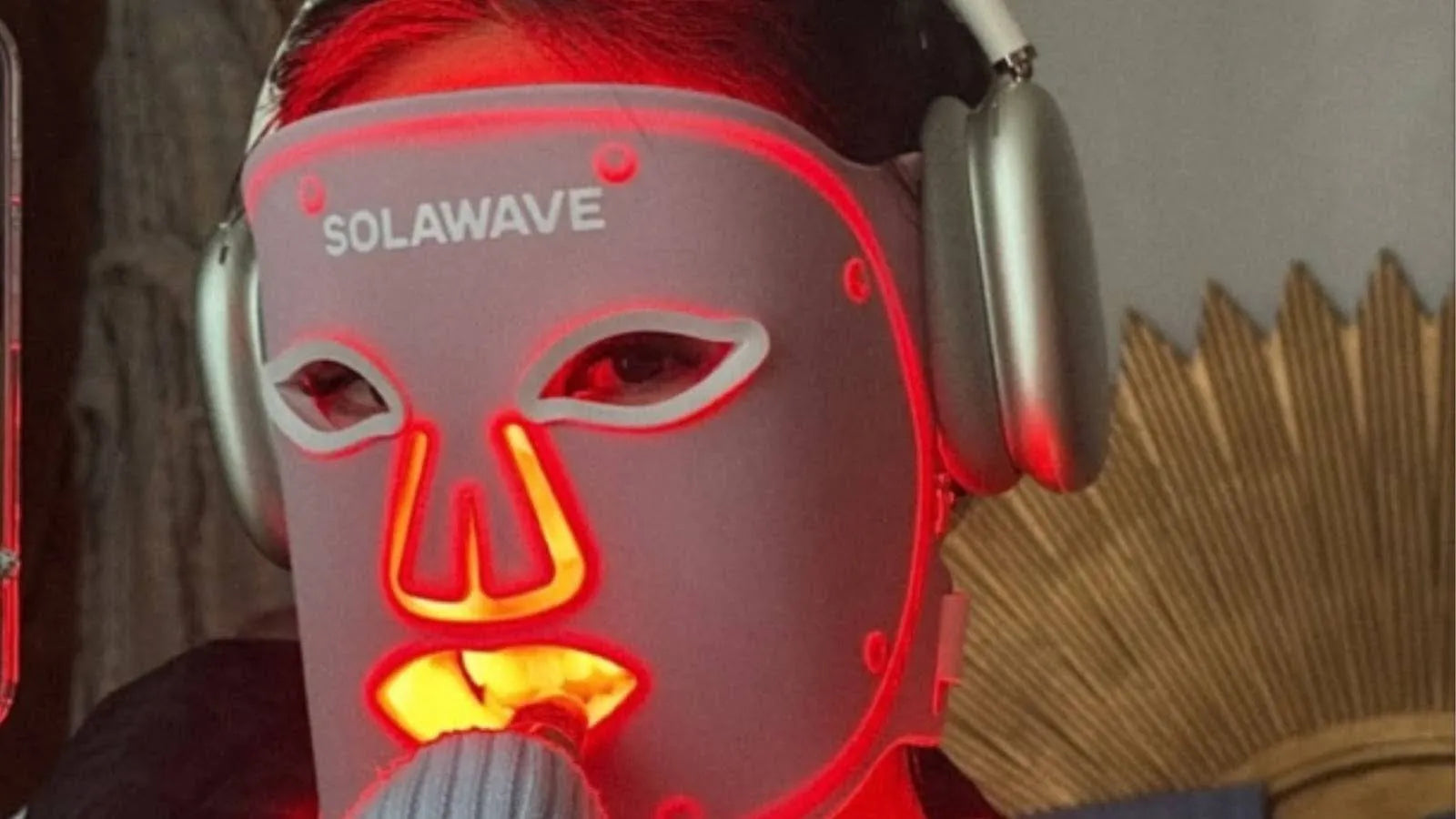
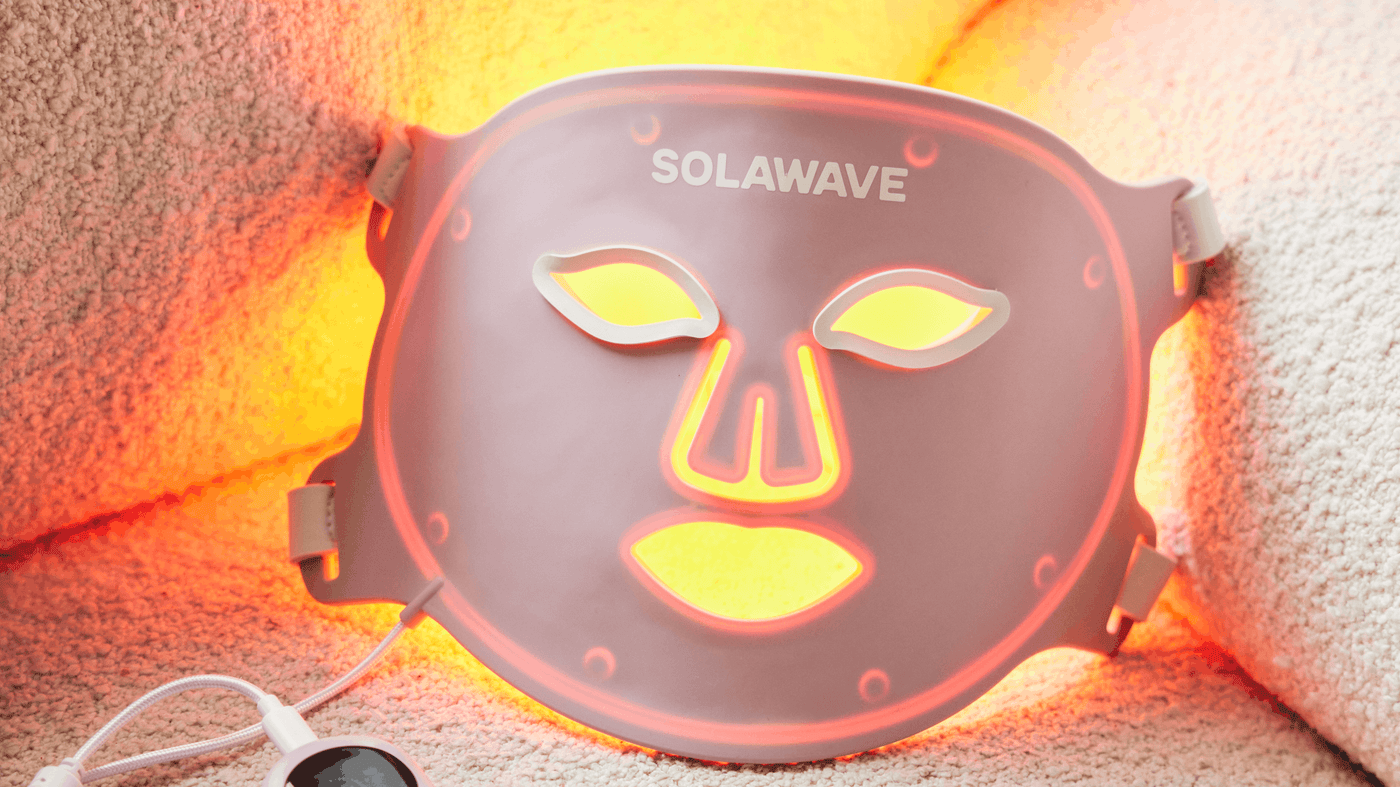
The Wrinkle Retreat Pro LED Face Mask by Solawave is FDA-cleared and features 320 medical-grade LEDs delivering four wavelengths of light therapy: Red (630nm), Deep Red (660nm), Amber (605nm), and Near-Infrared (830nm). Designed for full-face coverage, it provides comprehensive treatment in just 3-minute sessions.
Your choice should reflect your primary concerns and expectations. Each technology addresses aging differently.
Microcurrent excels at providing quick, visible results. The electrical stimulation temporarily contracts facial muscles, creating an immediate firming effect ideal before events. Regular use produces lasting improvements, with most customers noticing enhanced facial definition after four to eight weeks.
RF technology addresses the underlying cause of skin laxity by rebuilding collagen structure. If your main concern involves sagging skin around the jawline, neck, or cheeks, RF devices offer the most direct solution. Results develop gradually, with noticeable improvements typically appearing after eight weeks.
LED light therapy provides gentle, supportive benefits. While it may not dramatically alter facial contours, red light therapy improves skin texture and supports cellular health. Consider LED as a complement to other treatments rather than a standalone solution.
Multi-technology devices combine multiple technologies in one tool, addressing multiple aging factors simultaneously. The 4-in-1 Skincare Wand integrates red light therapy, galvanic current, therapeutic warmth, and facial massage in one FDA-cleared device. The wand requires a water-based serum like the LightBoost Activating Serum to work properly and activate all four technologies. This approach addresses multiple aging factors simultaneously, helping skin look lifted while supporting overall skin health.
At-home skin tightening devices produce subtle, gradual improvements rather than dramatic transformations.
After single use: Microcurrent creates temporary muscle stimulation that helps skin look more lifted for several hours. Increased circulation produces a fresher appearance and improved glow.
Within 3-4 weeks: Facial contours may appear slightly more defined, fine lines often look less pronounced, and your skin may feel firmer to the touch.
After 8-12 weeks: Peak results typically appear after two to three months of consistent use. You may notice improved definition along the jawline, reduced appearance of lines around the eyes and mouth, and overall enhancement in skin texture and tone. Maintaining these results requires ongoing use, though you can reduce frequency to once or twice weekly after reaching your desired improvement level.
Individual results vary based on skin type, age, and adherence to recommended usage guidelines. Following manufacturer instructions for device placement, movement patterns, and session duration optimizes your results.
Achieving optimal outcomes requires proper preparation and consistency.
Skin preparation: Clean, dry skin ensures optimal contact between the device and your face. Remove all makeup and oils before treatment. Some devices work best with water-based conductive serums.
Consistency: Results depend on regular use. Most devices recommend daily or every-other-day sessions initially, then reducing to maintenance treatments. Set a specific time in your routine to ensure consistency.
Complementary skincare: Support your device with quality skincare products containing ingredients that promote collagen production. Broad-spectrum sunscreen is essential, as UV exposure degrades collagen and counteracts your tightening treatments.
Professional treatments: At-home devices complement professional treatments. Use your device between professional sessions to help maintain and extend results from facials or dermatologist procedures.
Knowing device limitations ensures safe, appropriate use.
FDA clearance: FDA-cleared devices have undergone testing to verify safety and effectiveness. More brands are launching without FDA clearance and murky safety protocols, so purchasing something FDA-cleared matters for both safety and results. Look for built-in safety features like automatic shut-off, temperature sensors, and anti-shock systems.
Who should avoid devices: Pregnant women, people with pacemakers or other electronic implants, and those with active skin conditions should consult healthcare providers before using electrical or RF devices. If you have metal facial implants or dental work, check the manufacturer's guidelines.
When to see a dermatologist: At-home devices address mild to moderate concerns effectively. Significant skin laxity, deep wrinkles, or substantial volume loss may require professional procedures. Consult a dermatologist if you notice skin irritation or no improvement after three months of consistent use.
At-home devices help skin look lifted and more toned, but produce subtler results than professional procedures. For many people, the best at-home skin tightening device provides sufficient improvement for maintaining a youthful appearance between professional treatments.
Finding the right skin tightening device depends on your specific concerns, lifestyle, and expectations. Whether you choose microcurrent for immediate lifting effects, RF technology for collagen rebuilding, LED light therapy for gentle cellular support, or a multi-technology face tightening device that combines several approaches, consistency is key to achieving visible results. FDA-cleared devices from brands like Solawave offer clinically validated technology with built-in safety features, making professional-grade treatments accessible at home. With regular use over 8-12 weeks, the best at-home skin tightening device can help you achieve firmer, more defined facial contours and healthier-looking skin.
Ready to find your perfect skin-tightening device? Shop Solawave's FDA-cleared collection today.
Most customers notice immediate temporary effects like improved glow after a single session. More noticeable improvements in facial contours typically appear after three to four weeks of consistent use. Optimal results usually develop after eight to twelve weeks.
Usage frequency depends on the technology. Microcurrent devices often allow daily use, while RF devices typically recommend two to three sessions per week. LED devices like the Wrinkle Retreat Pro LED Face Mask can be used 3-5 times weekly. Always follow your device manufacturer's guidelines.
At-home devices produce subtler results than professional procedures but offer significant convenience and cost advantages. They work well for maintaining skin tone and addressing early aging signs. Severe skin laxity typically requires professional procedures.
Requirements vary by device type. The Solawave 4-in-1 Skincare Wand requires a water-based serum like the LightBoost Activating Serum to work properly and activate all four technologies. LED devices typically work without any power. Check your specific device instructions.
Yes, most skin-tightening devices work effectively on the neck and jawline. These areas often show visible aging signs and respond well to consistent treatment. RF technology particularly addresses skin laxity in these regions by stimulating deeper collagen production, while multi-technology devices like the 4-in-1 Skincare Wand can be used in 3-minute sessions per area for targeted treatment.
 News
News