Rated 4.7 out of 5 stars
4.7 / 5


726,000+ customers
Free 60-Day Returns
1-Year Warranty
726,000+ customers
Free 60-Day Returns
1-Year Warranty

Retinol appears on nearly every "must-have skincare ingredients" list, and for good reason. Dermatologists have studied and recommended vitamin A derivatives for decades, yet many people still feel confused about what retinol is and whether their skin actually needs it.
Here's the straightforward answer: Retinol is a form of vitamin A that communicates directly with your skin cells to speed up renewal, boost collagen production, and clear congested pores. Unlike trendy ingredients that come and go, retinol has serious clinical backing, and once you understand how retinol works, you'll see why skincare professionals keep coming back to it.
Your skin doesn't use retinol directly. Instead, enzymes in your skin convert retinol into retinoic acid, the active form that binds to specific receptors on your cells and tells them to behave like younger, healthier tissue.
A peer-reviewed study in the Journal of Cosmetic Dermatology confirmed that how retinol works involves three key cellular processes:
Dead skin cells naturally shed and regenerate, but the process slows significantly after age 25. Retinol speeds up shedding so fresh cells reach the surface faster, revealing smoother, brighter skin underneath.
Collagen gives skin its firmness and bounce. Research from the British Journal of Dermatology shows retinol stimulates fibroblasts (collagen-producing cells) to generate new collagen fibers, improving skin elasticity over time.
Uneven pigmentation happens when melanin clusters in certain areas. Retinol helps distribute melanin more evenly, fading dark spots and creating a more uniform complexion.
Marketing claims can feel overwhelming, so let's focus on what clinical evidence actually supports. The retinol benefits for skin fall into several well-documented categories:
|
Benefit |
What You'll Notice |
Timeline |
|
Smoother texture |
Rough patches soften, skin feels refined |
4-6 weeks |
|
Fewer fine lines |
Crow's feet and forehead lines diminish |
8-12 weeks |
|
Even skin tone |
Dark spots and sun damage fade |
12+ weeks |
|
Clearer pores |
Blackheads reduce, and pores appear smaller |
6-8 weeks |
|
Firmer appearance |
Skin looks lifted and more resilient |
12+ weeks |
A clinical trial measured these improvements objectively. Participants using retinol showed statistically significant reductions in wrinkle depth compared to placebo groups.
Retinol for anti-aging remains one of the most evidence-backed approaches available without a prescription. Dermatologists consistently rank it among their top recommendations because retinol addresses multiple aging concerns simultaneously rather than targeting just one symptom.
Fine lines, loss of firmness, dull texture, and uneven tone all respond to consistent retinol application. Most board-certified dermatologists suggest starting in your late twenties or early thirties before deep wrinkles develop as a preventative strategy.
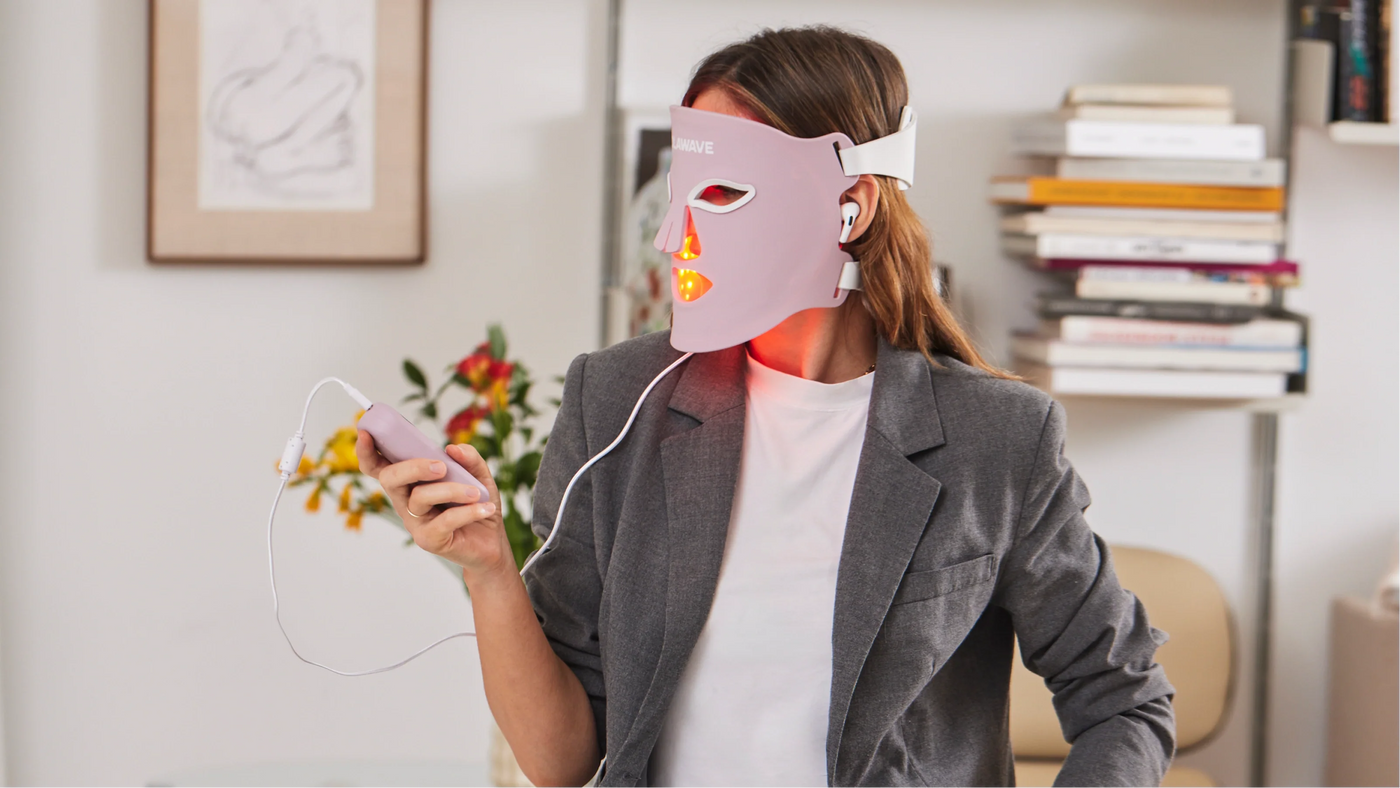
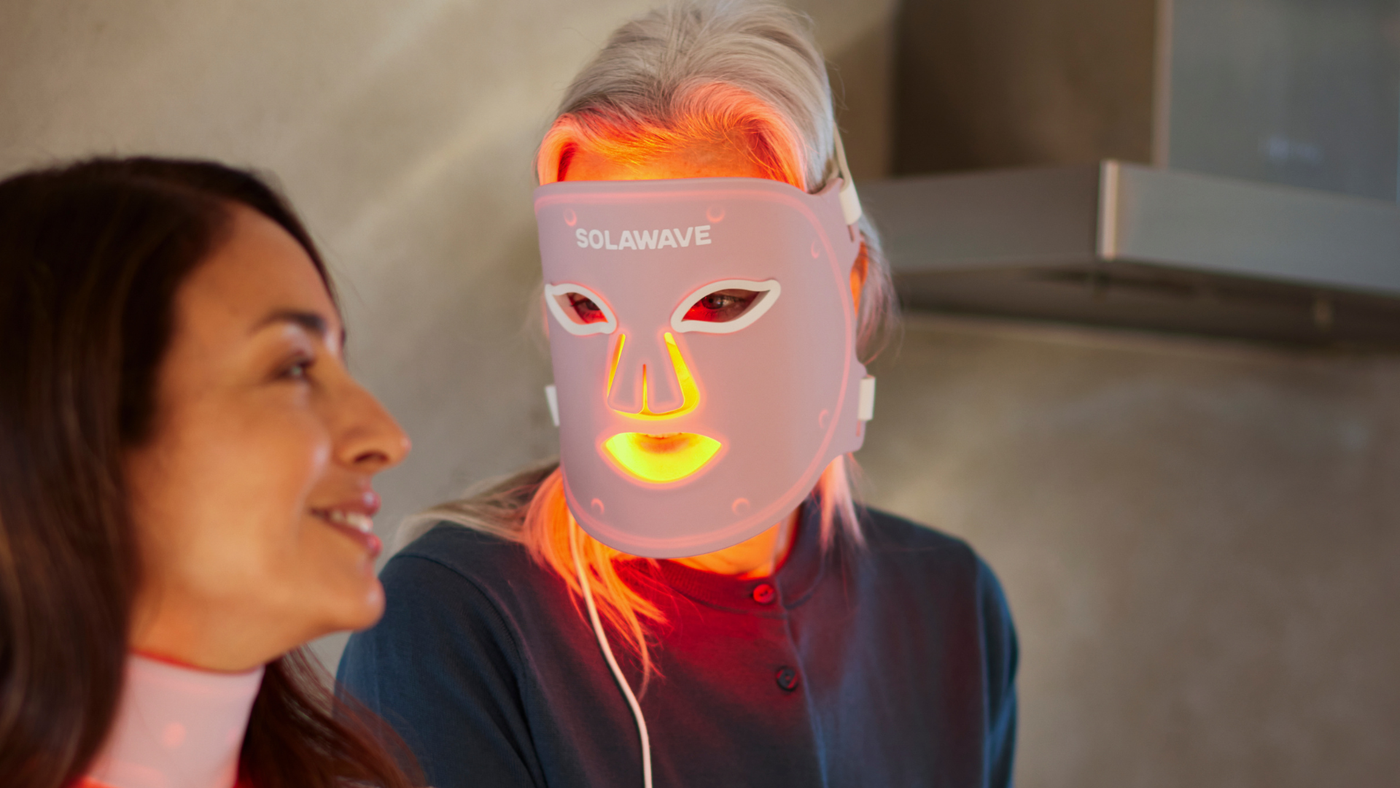
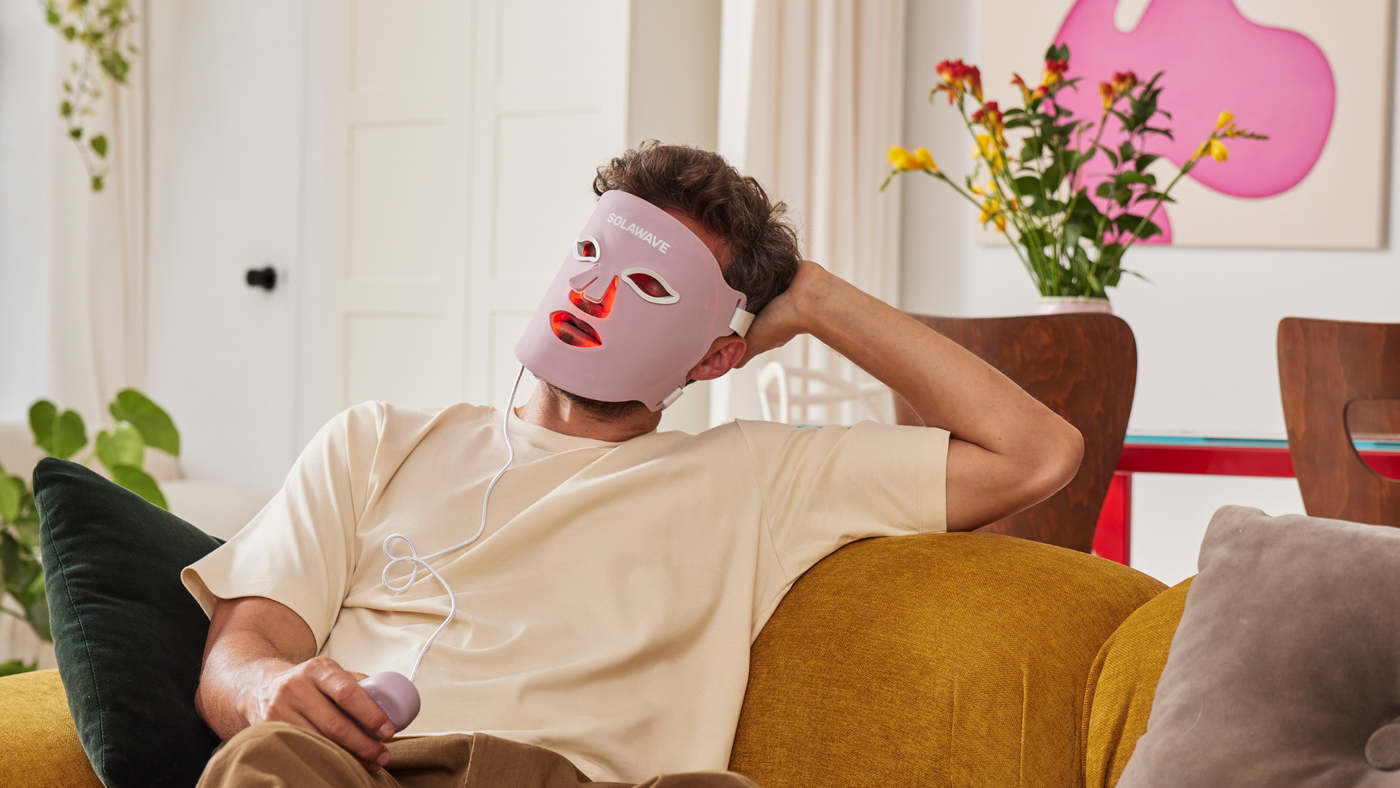
Retinol works at the cellular level, but combining it with treatments that reach different skin depths can enhance your results. Red and near-infrared light therapy, for example, penetrates below the surface to support collagen production through an entirely separate mechanism.
The Wrinkle Retreat Pro Face Mask uses four wavelengths: red, deep red, near-infrared, and amber light to target signs of aging across the entire face. At-home options like Solawave are FDA-cleared, making them safe and reliable for regular use. Many newer brands launch without FDA clearance and therefore lack verified safety protocols, so choosing cleared devices matters for your skin's long-term health.
A note on timing: Since retinol increases skin sensitivity, use light therapy devices and retinol on alternate nights rather than in the same evening routine. Spacing out these powerful treatments helps prevent irritation while allowing you to enjoy the full benefits of both approaches.
Retinol for acne approaches breakouts differently than traditional spot treatments. Rather than killing bacteria on contact, retinol prevents the conditions that allow acne to form in the first place.
Clogged pores happen when dead skin cells mix with sebum and create plugs. Retinol keeps pores clear by accelerating cell shedding dead cells slough off before they can cause congestion.
A study in the Journal of the American Academy of Dermatology found retinol reduces both inflammatory acne (red, painful pimples) and non-inflammatory acne (blackheads and whiteheads). Participants also saw improvement in post-acne scarring and hyperpigmentation.
For occasional stubborn breakouts, blue light therapy offers a gentle complement to your retinol routine. Blue light wavelengths target acne-causing bacteria without the excessive dryness that harsh treatments often cause. The 3-Minute Pimple Spot Treatment provides quick, targeted relief alongside your regular skincare regimen.
Knowing how to use retinol safely separates glowing results from irritated, flaky disasters. Your skin needs an adjustment period, and rushing the process backfires almost every time.
Begin with a 0.25% or 0.5% concentration, applying just two to three nights per week. Your skin will signal when it's ready for increased frequency, usually after four to six weeks without significant irritation.
Damp skin absorbs products more aggressively, which increases irritation risk with active ingredients like retinol. Wait 20-30 minutes after cleansing before application, or until your face feels completely dry to the touch.
Applying a nourishing cream after retinol helps minimize potential dryness while locking in hydration. The LightBoost Face & Neck Rich Cream pairs beautifully with retinol routines, especially when used alongside light therapy devices for comprehensive skin support.
Retinol increases photosensitivity, making daily SPF 30+ absolutely non-negotiable. Sun protection preserves your results and prevents the UV damage retinol is working to reverse.
Some peeling, dryness, and mild redness during the first few weeks is completely normal. Pushing through "retinization" leads to the smoother, clearer skin you're working toward—just ensure you're not overdoing frequency during adjustment.
Effective skincare often combines multiple approaches targeting concerns from different angles. While retinol works at the cellular level topically, red light therapy reaches deeper skin layers to support similar goals through completely different biological pathways.
Important: Use retinol and light therapy devices on alternate nights rather than combining them in the same evening routine. Since retinol increases skin sensitivity, giving your skin a rest night between treatments helps prevent irritation while still delivering consistent benefits from both approaches. A simple schedule might look like retinol on Monday, Wednesday, and Friday, with light therapy sessions on Tuesday, Thursday, and Saturday.
The 4-in-1 Skincare Wand combines red light therapy with therapeutic warmth, galvanic current, and facial massage. Using the wand with LightBoost Wand Activating Serum ensures all four technologies work synergistically. The galvanic current specifically requires a water-based serum to function optimally.
Consistent sessions 3-5 times weekly deliver the best results. Many Solawave purchases qualify for FSA/HSA coverage, making professional-grade light therapy an accessible addition to your retinol routine.
Ready to complement your retinol routine with science-backed light therapy? Shop Solawave's full collection for FDA-cleared devices that support visibly smoother, firmer, more radiant skin.
Retinol accelerates cell turnover, stimulates collagen production, regulates melanin distribution, and keeps pores clear, addressing fine lines, uneven tone, texture issues, and breakouts simultaneously.
Texture improvements typically appear within 4-6 weeks, while significant anti-aging benefits like reduced wrinkles usually become visible after 12 weeks of consistent application.
Starting with nightly application isn't recommended. Begin with 2-3 applications weekly, gradually increasing frequency as your skin builds tolerance over several weeks.
Apply retinol at night after cleansing and before moisturizer. Nighttime works best because retinol degrades in sunlight and increases daytime sun sensitivity.
Yes, red light therapy and retinol complement each other beautifully since they support collagen production and skin renewal through entirely different biological mechanisms.