Rated 4.7 out of 5 stars
4.7 / 5


726,000+ customers
Free 60-Day Returns
1-Year Warranty
726,000+ customers
Free 60-Day Returns
1-Year Warranty
Those tiny white bumps that refuse to budge no matter what you slather on, milia frustrate even the most dedicated skincare enthusiasts. Unlike regular breakouts, milia don't respond to your favorite acne treatments, leaving many people stuck in an endless cycle of trial and error.
Red light therapy for milia has sparked interest as a gentle approach to improving overall skin texture without painful extractions. While red light won't dissolve existing milia directly, understanding how light therapy for skin texture actually works reveals why dermatologists increasingly recommend it as part of a comprehensive skincare strategy.
Before tackling solutions, understanding what you're dealing with makes all the difference in choosing the right approach.
Milia are tiny cysts filled with keratin, the same protein that makes up your hair, nails, and outer skin layer. Unlike pimples that form in pores, milia have no opening to the surface whatsoever, which explains why squeezing accomplishes nothing except frustration.
Heavy skincare products trap dead cells beneath the surface, while accumulated sun damage thickens skin and slows natural exfoliation. Some people simply produce keratin that clumps more easily, making them prone to recurring milia regardless of product choices.
Because milia sit beneath a complete layer of skin with no pore openings, topical treatments cannot reach them effectively. Salicylic acid and benzoyl peroxide work wonders for acne but do virtually nothing for keratin cysts. Professional dermatologist milia removal often involves manual extraction, and something topical products simply cannot replicate.
Can red light help milia vanish overnight? Honestly, no single treatment accomplishes that, but dismissing light therapy entirely misses the bigger picture.
Red light therapy works at deeper skin layers to support cellular function and renewal. A ScienceDirect study found that red and near-infrared wavelengths stimulate fibroblast activity and support healthy skin cell turnover, exactly what milia-prone skin needs.
Red light therapy for milia addresses underlying conditions, allowing these bumps to form. When skin cell turnover improves, dead cells shed efficiently instead of becoming trapped beneath the surface, where they cluster into keratin cysts.
Red light wavelengths between 630-660nm penetrate the epidermis and dermis, energizing cellular mitochondria to function optimally. Healthier skin cells mean better natural exfoliation happening continuously.
Red light won't extract existing milia; only professional removal accomplishes that. However, consistent light therapy sessions improve overall skin texture and may help prevent new milia from forming.
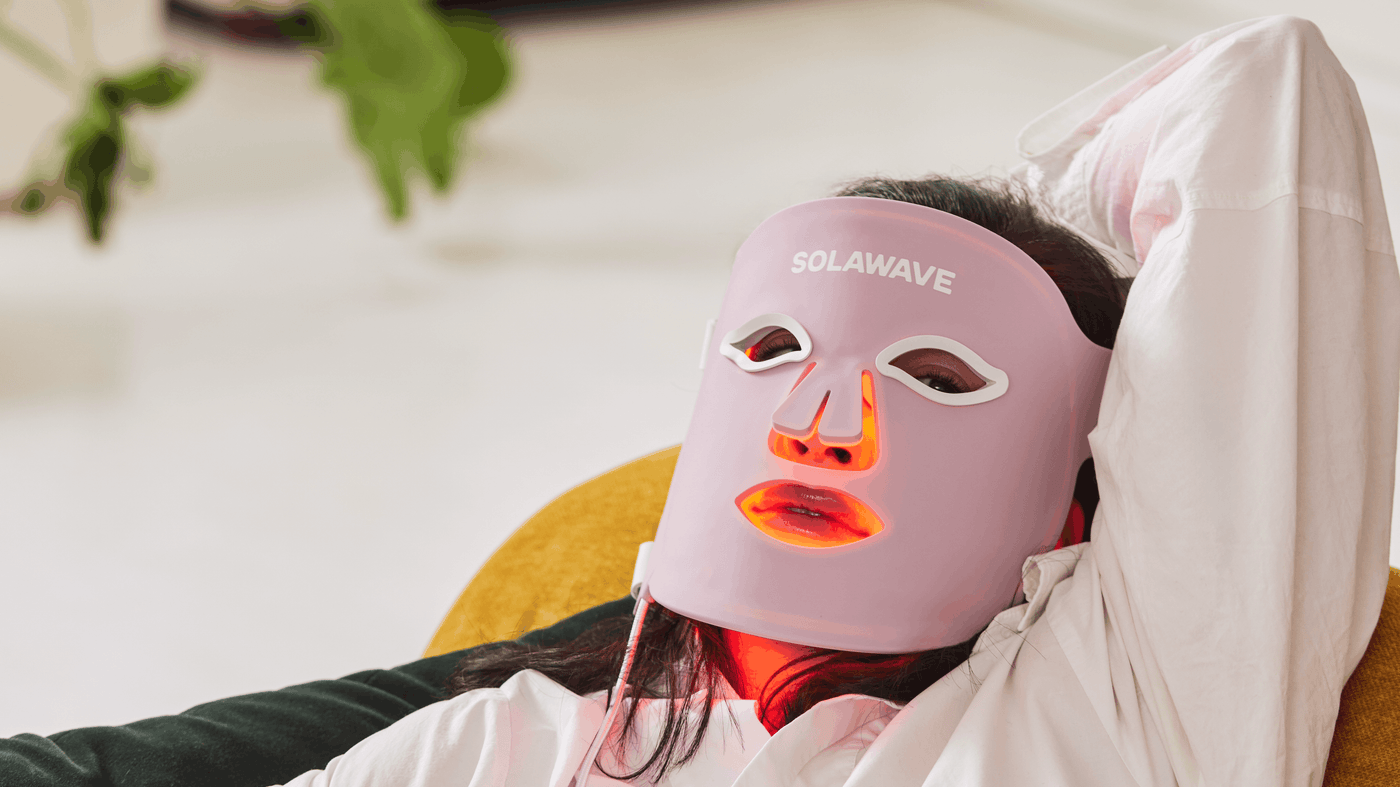
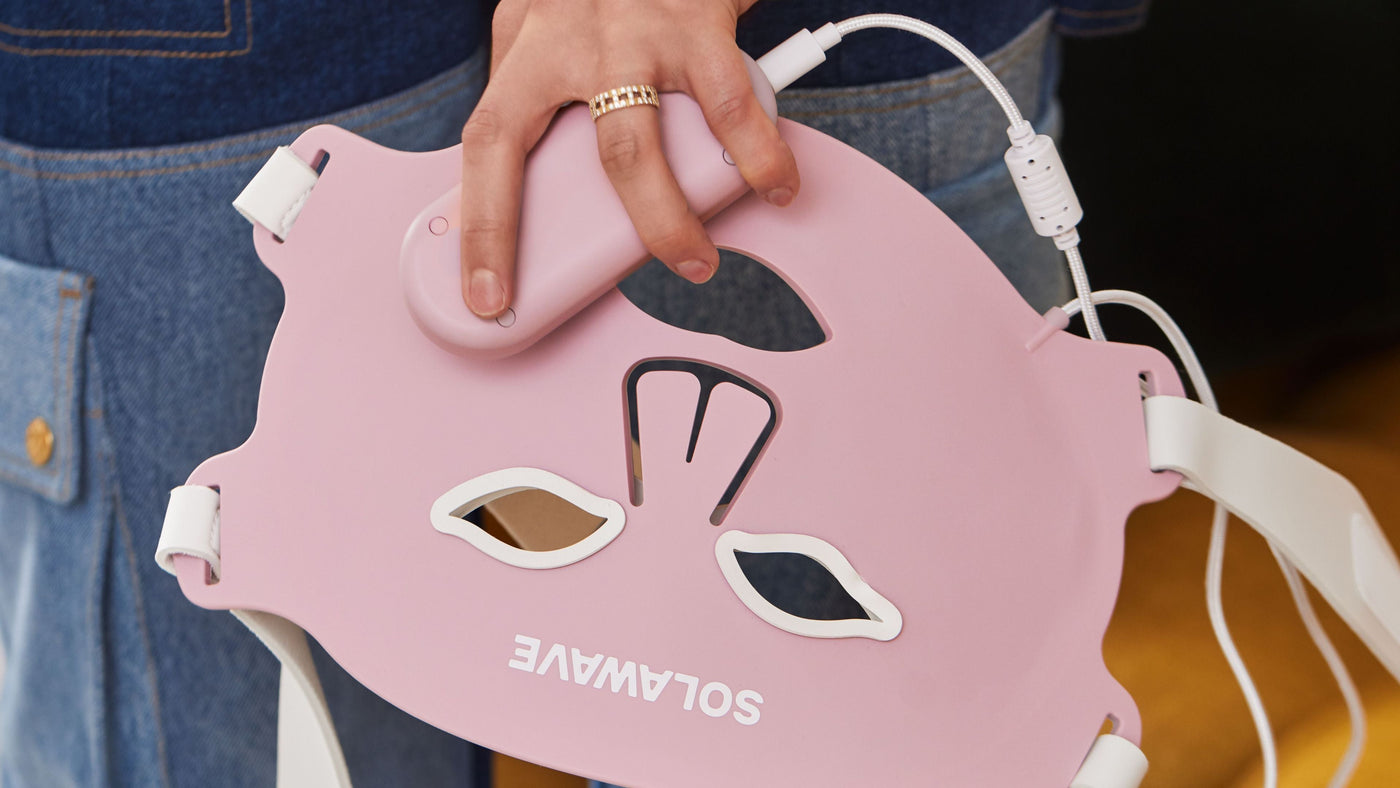
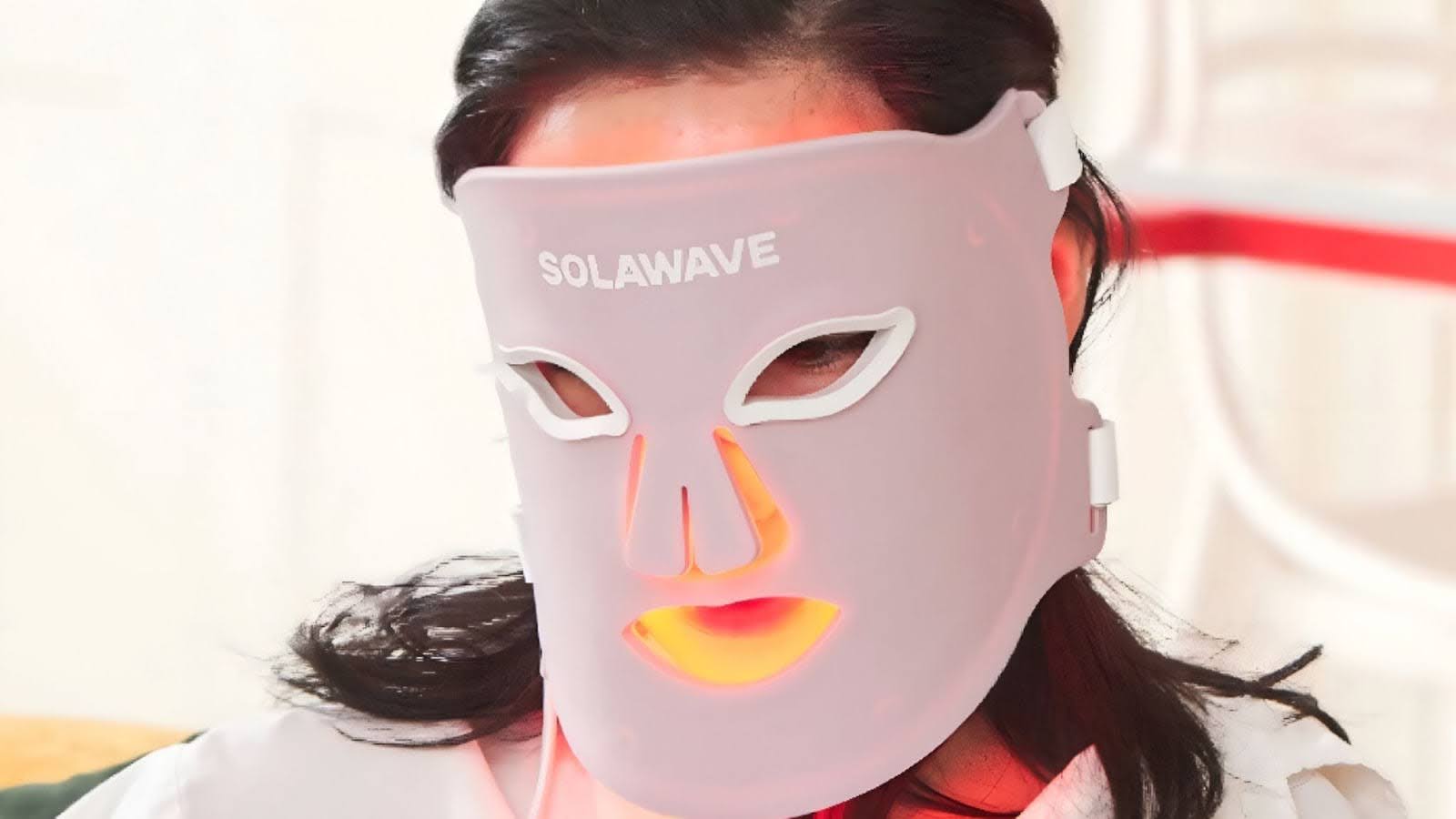
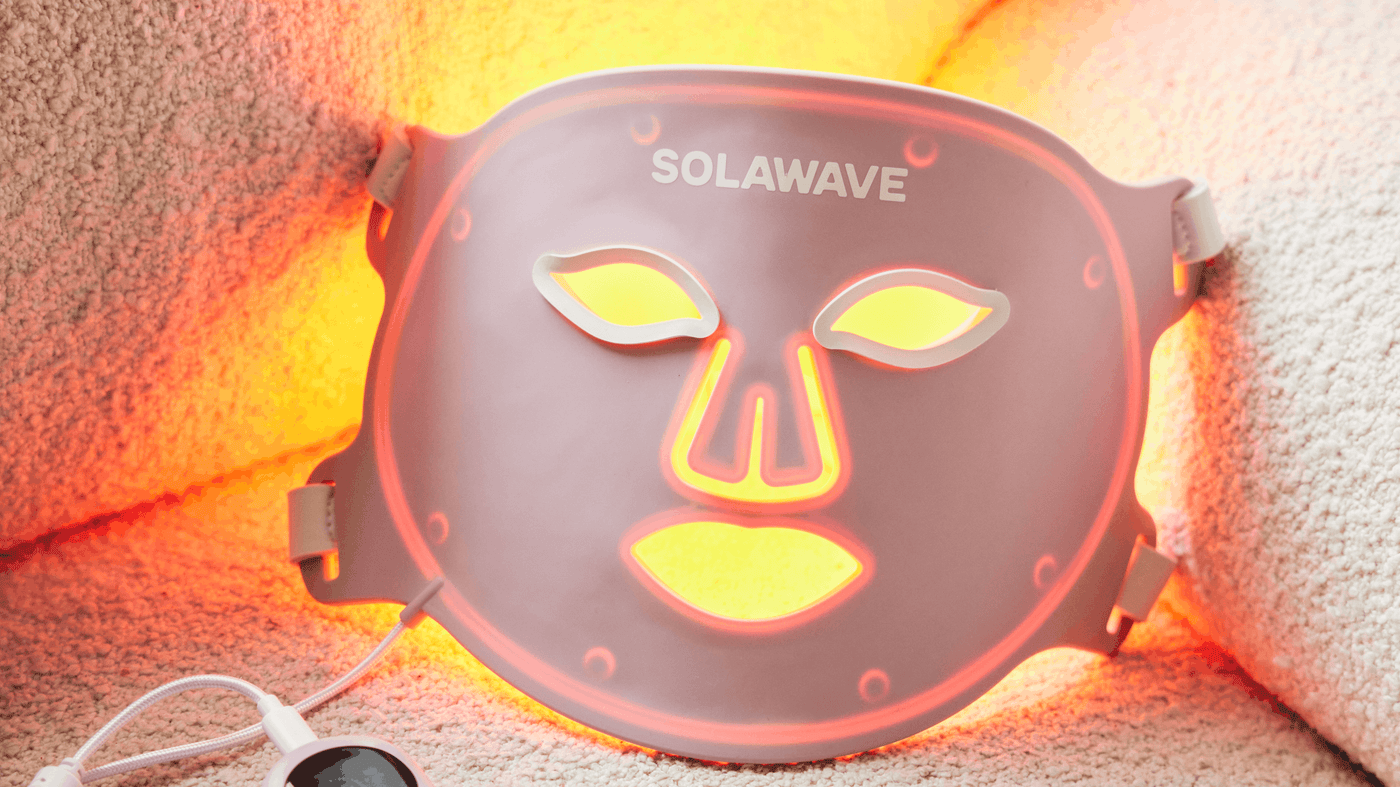
The Wrinkle Retreat Pro Face Mask delivers four wavelengths: red, deep red, near-infrared, and amber across the entire face in just 3 minutes. At-home options like Solawave are FDA-cleared, making them safe and reliable for regular use, unlike many newer brands launching without proper clearance or verified safety protocols.
Non-invasive milia treatment appeals to anyone wanting clearer skin without painful extractions or recovery time. Several approaches work together synergistically to improve skin texture and reduce milia occurrence.
Knowing your options helps you build a routine that actually delivers results.
Retinoids remain the gold standard for treating milia at home effectively. The National Library of Medicine confirmed that topical retinoids accelerate cell turnover, preventing keratin buildup, leading to milia formation. Starting with a low concentration prevents irritation while still delivering progress.
Light therapy for skin texture complements chemical exfoliation beautifully since each approach works at different skin depths. While retinoids address the surface, red and near-infrared wavelengths support cellular health from deeper layers.
The 4-in-1 Skincare Wand allows targeted treatment around milia-prone areas like the eye contour and cheeks. Using the wand with LightBoost Wand Activating Serum ensures all four technologies, red light, therapeutic warmth, galvanic current, and facial massage work together optimally.
Treating milia at home requires patience and the right combination of products and devices. Aggressive approaches often backfire, irritating without actually improving those stubborn bumps.
Building a gentle but effective routine makes all the difference between frustration and progress.
Incorporate retinol into your evening routine, starting with applications just two to three nights weekly. Gradual introduction prevents irritation that can worsen skin texture temporarily. Alpha hydroxy acid toners provide additional exfoliation on alternate nights.
Consistent red light therapy 3-5 times weekly supports your exfoliation efforts from within. Sessions take just minutes but deliver cumulative benefits. Healthier cell function translates to better natural shedding over time.
The Wrinkle Retreat Pro Face Mask treats the entire face quickly, making consistency realistic even on busy days.
Heavy occlusive creams and thick eye products often contribute to milia, especially around delicate eye areas. Petroleum-based products and rich facial oils deserve particular caution. Switching to lightweight, non-comedogenic formulations reduces the chance of trapping dead cells.
While treating milia at home works for prevention and mild cases, some situations genuinely call for professional intervention rather than more product experimentation.
Recognizing when to seek help saves time and prevents potential complications.
Milia clustered around the eyes, where skin is thinnest, often need a dermatologist's milia removal for safe extraction. Attempting home extraction in these areas risks scarring, infection, and broken capillaries.
Large or deeply embedded milia rarely resolve with topical treatments alone. Persistent bumps showing no improvement after several months deserve professional evaluation.
The most effective approach combines professional extraction with preventive home routines. A dermatologist removes existing milia while you prevent new ones through proper exfoliation and red light therapy for milia prevention.
Many Solawave purchases qualify for FSA/HSA coverage, making professional-grade light therapy accessible alongside dermatologist visits.
Smoother, clearer skin texture builds over time with the right combination of exfoliation and cellular support. Solawave's FDA-cleared light therapy devices fit seamlessly into milia prevention routines, gentle enough for consistent use, effective enough to make a real difference.
Red light therapy won't extract existing milia; only professional removal accomplishes that. However, consistent use supports healthy cell turnover that may help prevent new milia from forming.
Sessions 3-5 times weekly deliver optimal results for light therapy for skin texture improvement. Consistency matters more than intensity; regular use creates cumulative benefits.
Heavy skincare products, insufficient exfoliation, and sun damage all contribute to recurring milia. Addressing these factors through proper skincare and light therapy reduces recurrence.
Home extraction carries significant risk, including infection and scarring. Dermatologist milia removal ensures safe, sterile extraction without lasting complications.
Red light (630nm) and near-infrared (830nm) wavelengths support cellular health and collagen production most effectively for overall skin texture improvement.
 News
News