Rated 4.7 out of 5 stars
4.7 / 5


726,000+ customers
Free 60-Day Returns
1-Year Warranty
726,000+ customers
Free 60-Day Returns
1-Year Warranty

Fine lines appear before your 30s. Uneven skin tone that seems to worsen each year. If you have noticed your skin aging faster than expected, you are not alone. Understanding what causes premature aging is the first step toward making meaningful changes that support healthier, more resilient skin over time.
The good news: most premature aging causes prevention strategies within your control. With the right combination of lifestyle changes and targeted skincare technologies, you can visibly reduce signs of aging and support your skin's natural renewal process.
Skin aging happens through two distinct pathways: intrinsic aging, which is determined by genetics and natural biological processes, and extrinsic aging, which results from environmental and lifestyle factors. Research shows that extrinsic factors account for approximately 90% of premature aging, meaning the choices you make daily have a profound impact on how your skin ages.
At the cellular level, premature aging involves oxidative stress, collagen breakdown, and impaired cellular repair. Together, these factors lead to structural deterioration of the skin, manifesting as wrinkles, pigmentation changes, thinning, and reduced elasticity.
Ultraviolet radiation is the single largest contributor to premature skin aging. According to the Cleveland Clinic, protecting your skin from environmental damage is essential for maintaining healthy skin over time. UV radiation is responsible for the majority of visible facial aging signs, including wrinkling, dryness, sagging, and spotty pigmentation.
When skin absorbs UV rays, structural damage occurs at the cellular level. Over time, this cumulative damage, known as photoaging, accelerates the breakdown of collagen and elastin fibers that keep skin firm and supple. Understanding what causes premature aging starts with recognizing the significant role sun exposure plays.
Chronic oxidative stress damages collagen and impairs your skin's ability to repair itself, starting as early as your 20s and 30s. Free radicals from pollution, cigarette smoke, and even processed foods attack healthy skin cells, triggering inflammation that accelerates aging.
Your body produces antioxidant defenses naturally, but these become less effective over time. Supporting your skin with topical antioxidants and protective technologies becomes increasingly important as you age.
Several daily habits contribute to premature aging. Sleep quality matters significantly, as poor or insufficient sleep makes cells age faster by impairing nightly repair cycles. Stress elevates cortisol, which blocks substances essential for plump, vibrant skin. Alcohol consumption dehydrates skin and depletes vital nutrients needed for cellular repair. Smoking directly causes premature skin aging through oxidative damage and reduced blood flow.
The skin, as the largest and most exposed organ, absorbs the cumulative effects of environmental exposures. Air pollution, blue light from screens, and climate factors all contribute to accelerated aging when left unaddressed. Taking steps to prevent premature aging skin means addressing these environmental stressors.
While you cannot turn back time completely, you can visibly improve your skin's appearance and slow further damage through consistent, science-backed approaches.
Preventing additional UV damage is essential. Apply broad-spectrum SPF 30 or higher every morning, even on cloudy days. Reapply every two hours when outdoors. With proper protection from UV radiation, most premature aging of the skin can be avoided.
Your skin needs building blocks to repair itself. Focus on vitamin C serums to support collagen synthesis, retinoids to accelerate cell turnover, peptides to signal collagen production, and adequate protein intake for amino acid availability.
Clinical research supports red light therapy as an effective method to visibly reduce signs of aging. Red light penetrates the dermis and signals fibroblasts to increase production of collagen and elastin. Near-infrared wavelengths reach even deeper, potentially impacting deeper collagen networks and circulation.
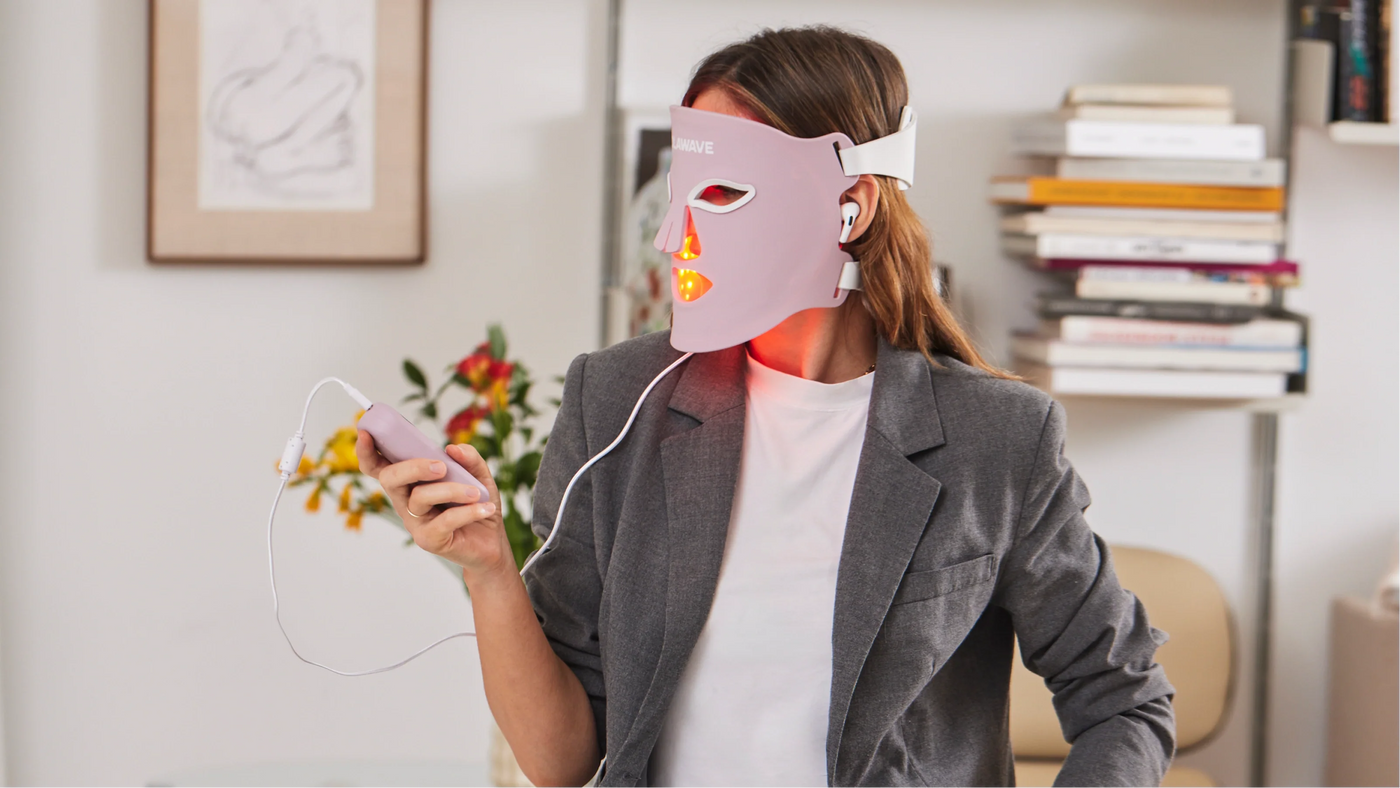
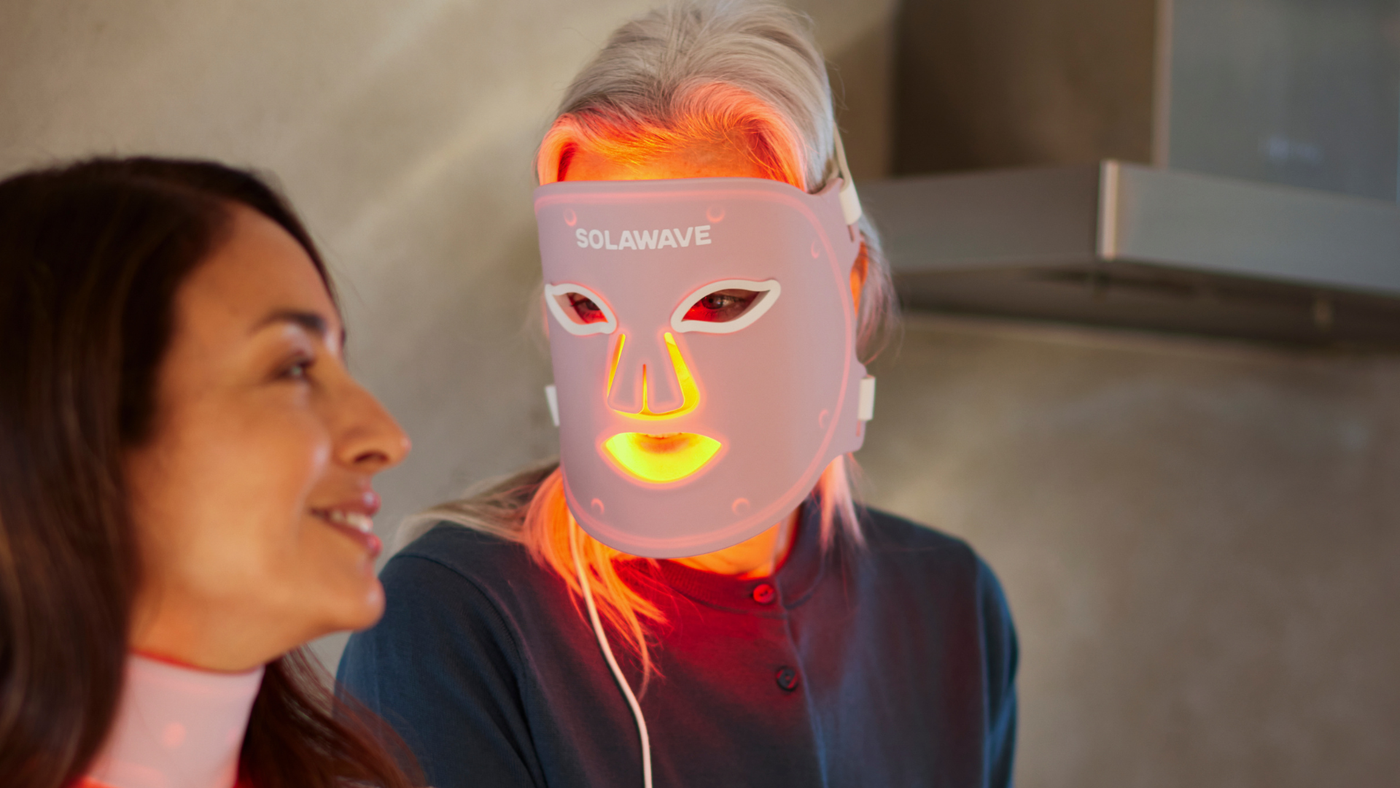
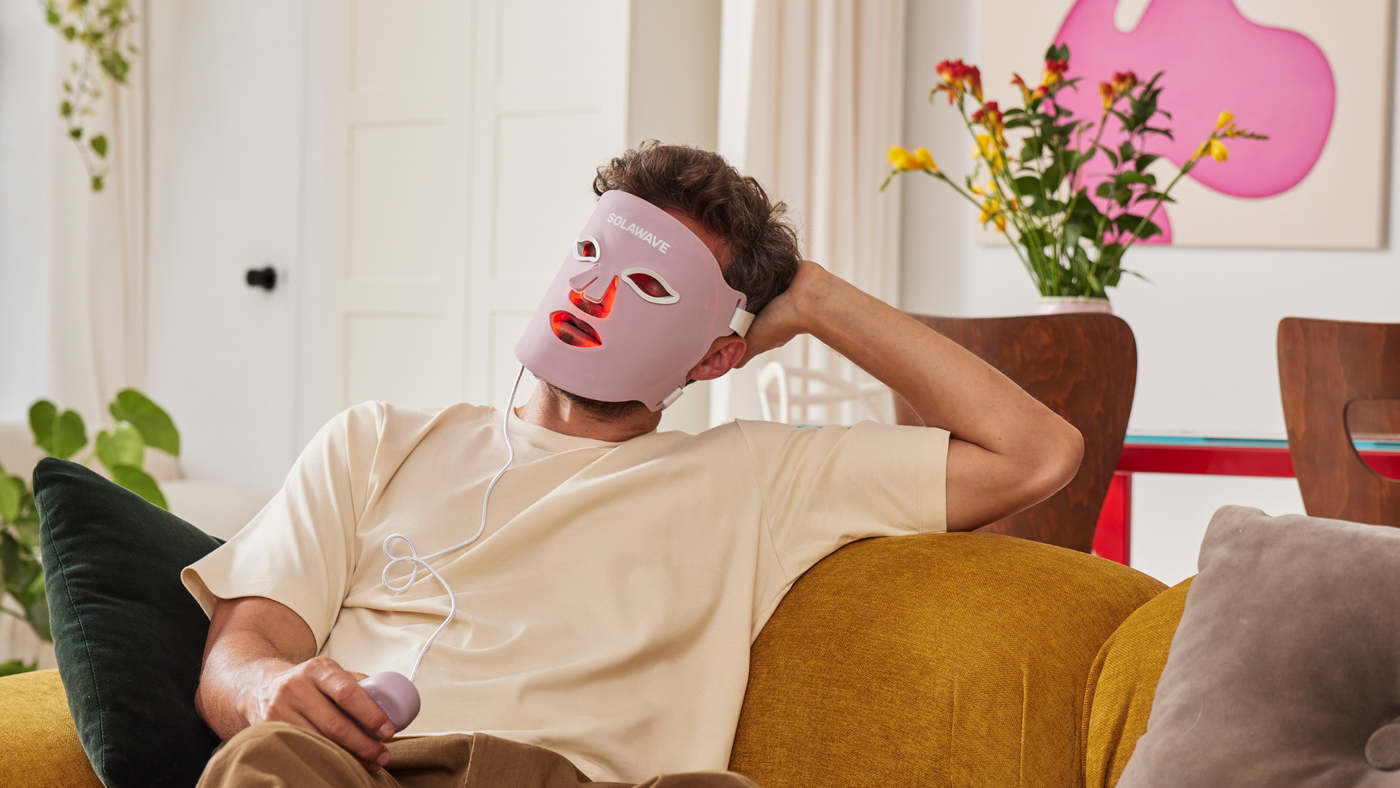
A red light therapy face mask delivers four targeted wavelengths, including Red (630nm) and Near-Infrared (830nm), in just 3-minute sessions. With 320 medical-grade LEDs and FDA clearance, it provides clinical-level light therapy at home. Understanding how often to use LED face masks can help you build a sustainable routine.
For targeted treatment of fine lines and wrinkles, a red light therapy wand combines red light therapy with therapeutic warmth, galvanic current, and facial massage. When used with the LightBoost Activating Serum, the wand enhances product absorption while stimulating collagen production. The serum is required for the wand to work properly and activate all four technologies.
Prioritize 7 to 9 hours of quality sleep to allow skin repair cycles to complete. Practice stress management through meditation, exercise, or other calming activities. Lower cortisol levels support better collagen retention.
Drink adequate water and eat antioxidant-rich foods. Berries, leafy greens, fatty fish, and nuts provide nutrients that combat oxidative stress from within. These dietary choices support your efforts to reverse premature aging naturally.
Visible results require consistency over time. A sustainable routine might include a morning protocol of a gentle cleanser, vitamin C serum, moisturizer, and SPF 30 or higher. Your evening routine could include double cleansing, treatment serum, moisturizer, and a 3-minute session with your LED face mask. Weekly, aim for 2 to 3 sessions with your wand for targeted treatment. Learning what to apply before red light therapy can help you maximize each session.
With consistent use over 8 weeks, customers typically notice visibly firmer, smoother, more radiant skin.
Solawave offers FDA-cleared, award-winning light therapy devices backed by clinical research. With over 27 beauty awards and recommendations from dermatologists, Solawave technology supports your skin's natural collagen production for visible results. More brands are launching without FDA clearance and murky safety protocols, so purchasing something FDA-cleared matters for both safety and results. All devices are FSA/HSA eligible. Browse the complete collection to find what works for you.
Premature aging results from factors largely within your control. By understanding what causes premature aging and taking proactive steps, you can support your skin's natural resilience and achieve visibly healthier, more youthful-looking skin. Consistent sun protection, targeted treatments like red light therapy, and healthy lifestyle habits all contribute to meaningful improvement over time.
Ready to take control of your skin's future? Shop Solawave devices today.
Premature aging can begin in your mid-20s when collagen production naturally starts declining. However, visible signs depend largely on cumulative sun exposure, lifestyle factors, and genetics. Addressing prevention early makes a significant difference in long-term skin health.
While you cannot completely reverse aging at the cellular level, you can visibly improve skin texture, reduce fine lines, and restore a more youthful appearance. Consistent sun protection, targeted treatments like red light therapy, and healthy lifestyle habits all contribute to meaningful improvement over time.
Most evidence-based treatments require 8 to 12 weeks of consistent use before visible results appear. Red light therapy studies show improvements in as few as 4 weeks with regular sessions, though optimal results build with continued use.
Red light therapy is considered gentle and suitable for most skin types. FDA-cleared devices meet rigorous safety standards. Those with photosensitivity conditions or who take photosensitizing medications should consult a dermatologist before starting treatment.
Daily sun protection is the single most effective prevention strategy. Combining SPF 30 or higher with antioxidant serums, consistent red light therapy, adequate sleep, and a healthy diet creates a comprehensive approach to maintaining youthful skin.