Rated 4.7 out of 5 stars
4.7 / 5


726,000+ customers
Free 60-Day Returns
1-Year Warranty
726,000+ customers
Free 60-Day Returns
1-Year Warranty
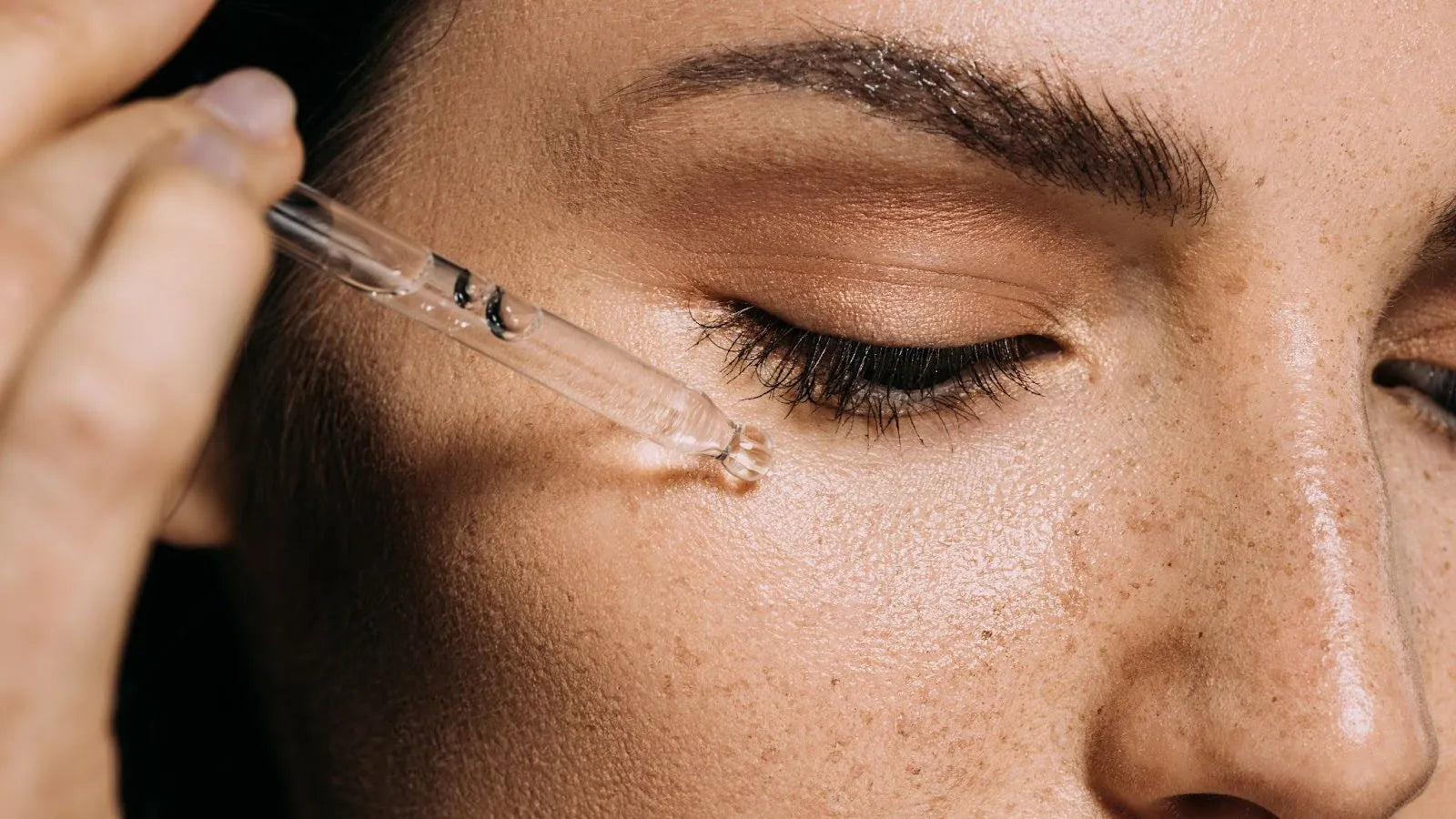
Dehydrated skin feels tight, looks dull, and shows fine lines more prominently than usual. Unlike dry skin, which is a permanent skin type lacking natural oils, dehydration is a temporary condition that affects your skin's water content. The good news is that with the right dehydrated skin treatment approach, you can visibly restore your skin's hydration within weeks.
Dehydrated skin lacks water, while dry skin lacks sebum (natural oils). Anyone can experience dehydrated skin regardless of their skin type. You can have oily skin and still be dehydrated.
To identify dehydrated skin, try the turgor test. Gently pinch the skin on your cheek or the back of your hand. If it takes longer than usual to bounce back, this indicates dehydration. Other signs include dullness, flaky patches around the nose and cheeks, and a papery texture.
Environmental factors play a significant role. Air conditioning and central heating reduce humidity levels, while sun exposure and pollution compromise your skin's natural barrier. Harsh weather conditions accelerate water loss from your skin.
Lifestyle habits also contribute. Excessive caffeine and alcohol consumption reduce your skin's water content, while smoking damages your skin barrier. Poor dietary choices and insufficient water intake affect your skin's hydration from within.
Your skincare routine might be working against you. Over-exfoliating strips away your protective layer, while harsh cleansers remove natural oils that help lock in moisture.
Start with hydration from within by drinking adequate water throughout the day. While individual needs vary, aiming for eight glasses daily provides a helpful baseline.
Incorporate water-rich foods into your diet. Cucumbers, watermelon, celery, and leafy greens contribute to overall hydration while providing vitamins and minerals that support skin health.
Moderate your consumption of dehydrating beverages. Coffee and alcohol increase water loss, so balance them with extra water intake. Consider herbal teas as hydrating alternatives.
Start with a gentle, hydrating cleanser that maintains your skin's moisture balance. Use lukewarm water rather than hot water, which can worsen dehydration.
Apply a hydrating serum while your skin is still damp. Hyaluronic acid is particularly effective because it can attract more than 1,000 times its own weight in water, helping to draw moisture into your skin.
Follow with a lightweight, water-based moisturizer containing ceramides to help maintain your skin barrier and prevent water loss. Look for formulas with niacinamide, which helps calm skin and supports barrier function.
Complete your morning routine with SPF 30 or higher. Sun exposure damages your skin barrier and increases water loss.
Cleanse gently to remove the day's buildup without stripping your skin. Double cleansing with an oil-based cleanser followed by a gentle cream cleanser provides thorough yet non-drying cleansing.
Incorporate red light therapy for dehydrated skin into your evening routine. Research demonstrates that more than 90% of participants reported improvement, including softer and smoother skin, after receiving LED red-light treatments over four weeks. The therapy works by stimulating cellular processes that help support your skin's natural moisture retention.
Apply your hydrating serum and follow with a richer night moisturizer. Nighttime provides the ideal opportunity for intensive hydration treatments.
Red light therapy offers a supportive approach to treating dehydrated skin concerns. This FDA-cleared technology uses specific wavelengths of light to stimulate cellular activity beneath the skin's surface, helping to support natural processes that maintain moisture balance.
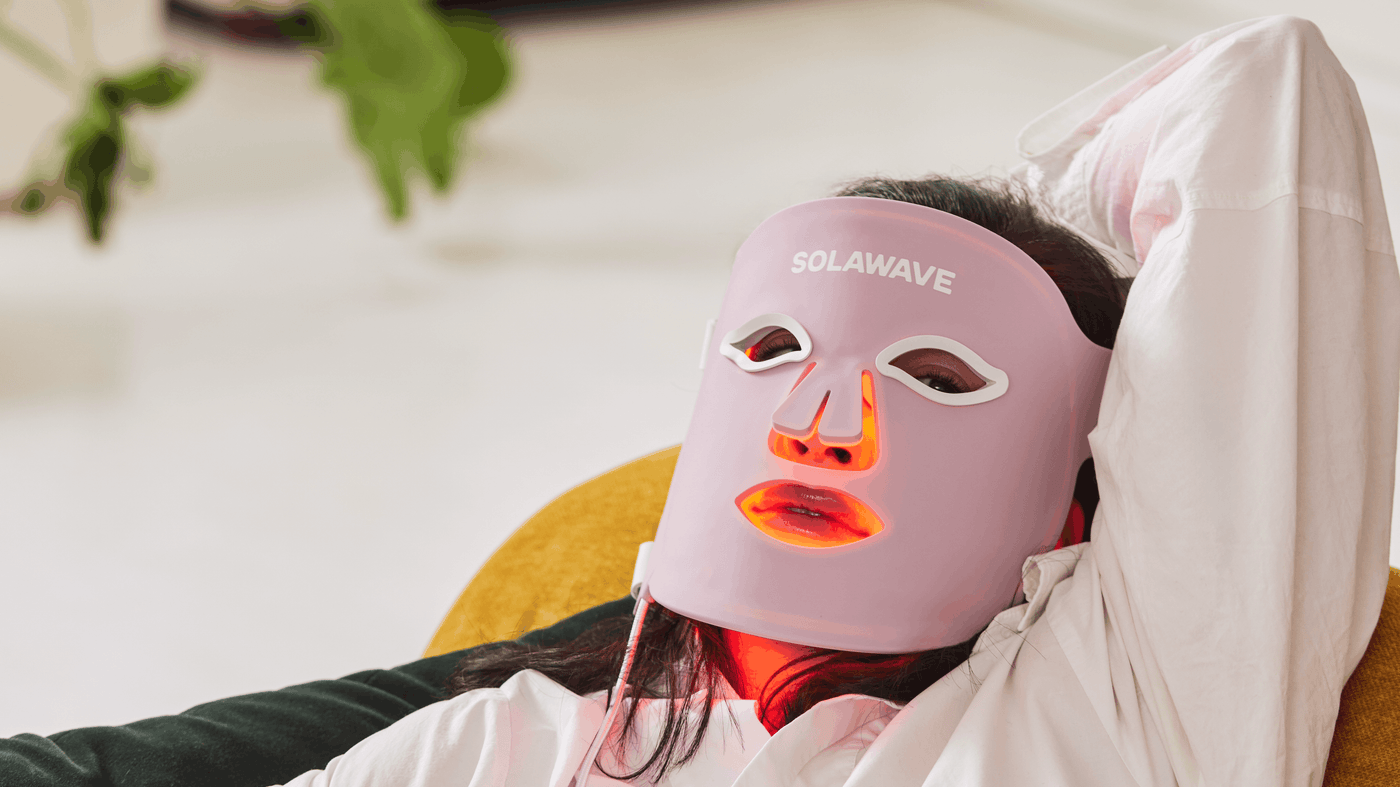
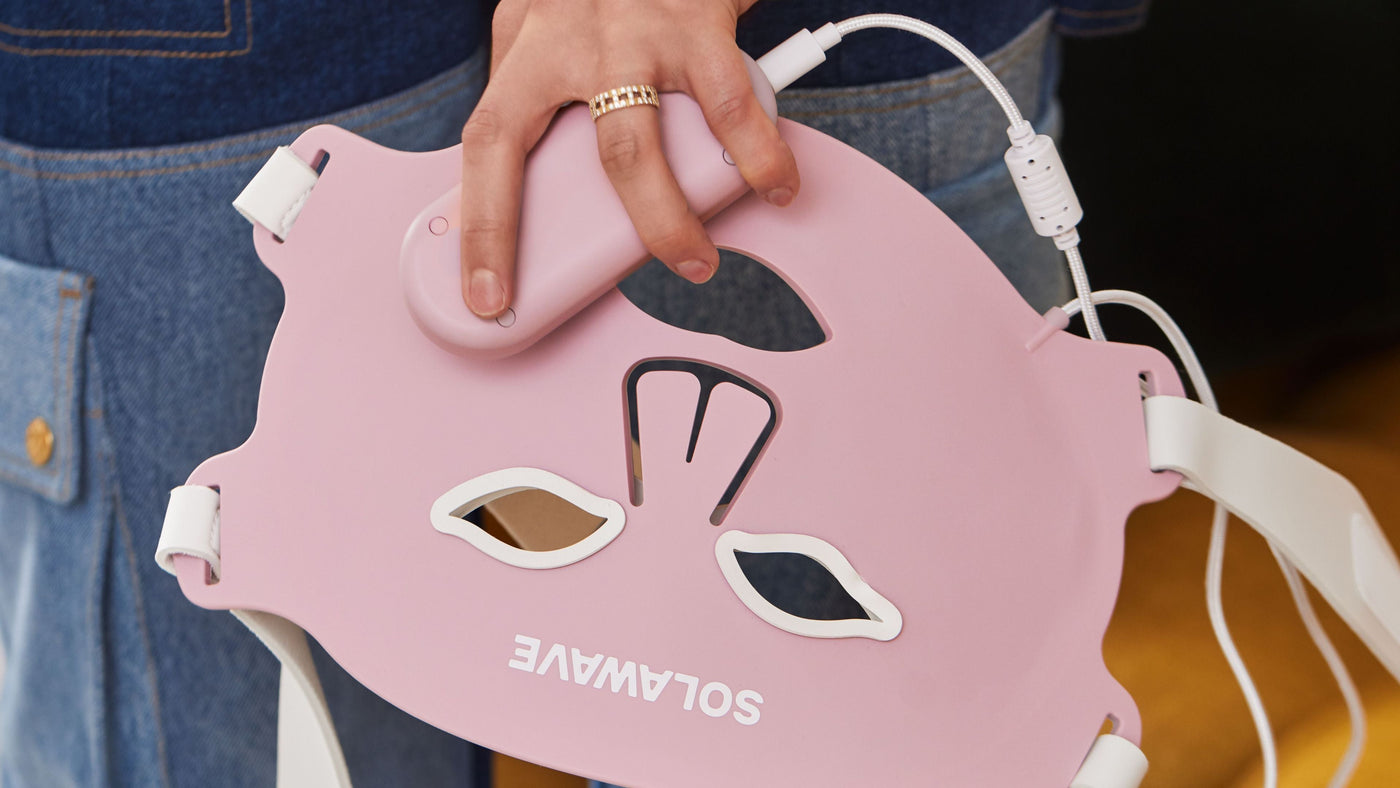
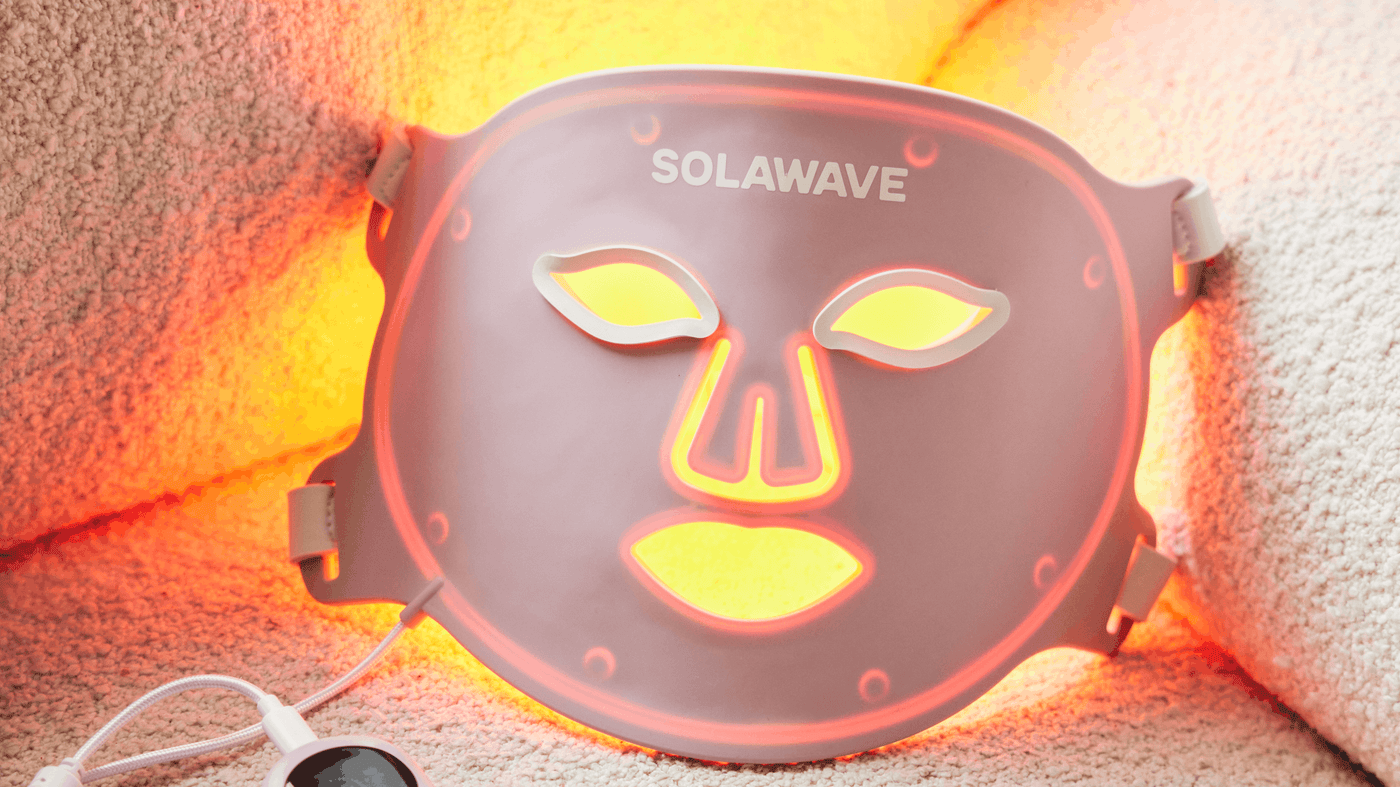
The Wrinkle Retreat Pro LED Face Mask by Solawave is FDA-cleared and features 320 medical-grade LEDs delivering four wavelengths of light therapy: Red (630nm), Deep Red (660nm), Amber (605nm), and Near-Infrared (830nm). Designed for full-face coverage, it provides comprehensive treatment in just 3-minute sessions. When used 3-5 times weekly for 8 weeks, this device can help visibly improve your skin's texture and hydration.
For targeted treatment, the 4-in-1 Skincare Wand combines red light therapy with facial massage, therapeutic warmth, and galvanic current. The wand requires a water-based serum like the LightBoost Activating Serum to work properly and activate all four technologies. The serum contains hyaluronic acid to attract and retain moisture, making it ideal for dehydrated skin treatment.
While individual results vary, consistent use alongside proper hydration and skincare helps visibly improve skin texture and appearance.
Hyaluronic acid stands out as a primary hydrating ingredient. This powerful humectant draws water from your environment into your skin, creating immediate plumping effects.
Ceramides help restore and maintain your skin barrier. These lipids prevent transepidermal water loss, helping your skin retain moisture.
Glycerin acts as another effective humectant, attracting and binding water to your skin. This affordable ingredient works well for all skin types.
Niacinamide supports your skin barrier while helping to calm irritation. This versatile ingredient works synergistically with other hydrating components.
Stop over-exfoliating immediately. Excessive exfoliation is a major cause of dehydrated skin, damaging your protective barrier. Reduce exfoliation to once weekly at most while treating dehydration.
Avoid harsh, sulfate-based cleansers that strip your skin and remove natural oils that help seal in moisture. Choose gentle, pH-balanced formulas instead.
Skip alcohol-based toners and astringents, which can dry out your skin further. Opt for hydrating toners with humectants instead.
Limit hot showers and face washing with hot water. High temperatures strip moisture from your skin. Lukewarm water protects your skin barrier while still providing effective cleansing.
Dehydrated skin responds relatively quickly to proper treatment. Many people notice visible improvements within one to two weeks of implementing a consistent hydration routine. Your skin may feel softer and look more radiant within days.
Full recovery typically takes several weeks, depending on severity. Consistent internal hydration, appropriate skincare products, and tools like red light therapy devices can help support faster visible results.
If your skin shows no improvement after a few weeks of dedicated treatment, consult a dermatologist. Persistent dryness might indicate underlying skin conditions requiring professional evaluation.
Learning how to treat dehydrated skin effectively requires a combination of internal hydration, barrier-supportive skincare, and consistent routines. By drinking adequate water, using humectant-rich products like hyaluronic acid and ceramides, avoiding harsh ingredients, and incorporating red light therapy for dehydrated skin into your routine, you can restore your skin's moisture balance within weeks. Remember that treating dehydrated skin is a temporary process, and with the right dehydrated skin treatment approach, your skin can regain its natural plumpness, radiance, and healthy glow.
Ready to restore your skin's hydration? Shop Solawave devices today.
Yes, dehydration is a condition, not a skin type. You can have oily, combination, or dry skin and still experience dehydration. Even people with naturally oily skin can have dehydrated skin if their moisture barrier is compromised or they are not drinking enough water.
Dehydrated skin needs water-based products with humectants that draw moisture into the skin. Dry skin requires oil-based products with occlusives that prevent moisture loss. Since dehydration is temporary and related to water content, treatment focuses on hydration and barrier repair rather than adding oils.
For optimal results, use red light therapy 3-5 times weekly as part of your skincare routine. Clinical studies showing improvement used treatments over several weeks. Always follow the specific guidelines for your device and maintain your hydrating skincare routine alongside therapy.
Reduce or temporarily pause strong active ingredients like retinoids and acids while treating severe dehydration, as these can further compromise your barrier. Once your skin's hydration improves, gradually reintroduce actives with adequate moisturization.
Most people notice visible improvements within one to two weeks of consistent treatment. Your skin may feel softer within days, while full recovery typically takes several weeks, depending on the severity of dehydration and how consistently you follow your routine.
 News
News