Rated 4.7 out of 5 stars
4.7 / 5


726,000+ customers
Free 60-Day Returns
1-Year Warranty
726,000+ customers
Free 60-Day Returns
1-Year Warranty
When your skin feels tight, looks dull, or shows more visible fine lines than usual, dehydration may be the culprit. Dehydrated skin is a common condition that affects people of all skin types, yet it often goes misidentified or overlooked.
Research shows that healthcare professionals report approximately 89% of their patients present with dry and dehydrated skin concerns. The good news is that skin dehydration is a treatable condition, not a permanent skin type.
Dehydrated skin lacks water, not oil. Anyone can experience dehydration, even with oily or combination skin. While dry skin is a skin type characterized by insufficient natural oils, dehydration is a temporary condition where the outer layer doesn't contain enough water.
Your skin's outermost layer acts as a protective barrier. When functioning properly, it retains moisture and shields deeper layers. When dehydrated, water escapes more easily through transepidermal water loss.
One of the earliest dehydrated skin signs is a dull, lackluster appearance. When your skin lacks adequate moisture, it doesn't reflect light as effectively, resulting in a flat, tired-looking complexion.
Your skin may feel tight, especially after cleansing. Dehydrated skin loses its flexibility and suppleness, creating tightness that can range from mildly uncomfortable to noticeably restrictive, particularly around areas where you make facial expressions.
When skin lacks water, fine lines and wrinkles become more pronounced. Think of a grape versus a raisin. Your skin cells require adequate water content to maintain their plump, smooth appearance. Dehydration makes expression lines around the eyes, mouth, and forehead appear deeper than they actually are.
Dehydrated skin often feels itchy because the compromised moisture barrier triggers irritation. You might notice your skin becoming more reactive to products or developing red, sensitive patches.
When skin loses enough moisture, it can begin to flake and develop a rough, uneven texture. Dehydrated cells at the surface don't shed properly, creating a buildup that feels rough to the touch.
The delicate skin under your eyes is particularly vulnerable to dehydration. As this thin skin loses moisture and elasticity, it can appear darker and develop puffiness or bags.
Visually, dehydrated skin symptoms manifest in several ways:
The appearance varies by underlying skin type. Oily, dehydrated skin might show T-zone shine while simultaneously displaying flaking and tightness.
You can perform a simple at-home test to assess your skin's hydration levels. Gently pinch a small section of skin on your cheek or the back of your hand between your thumb and forefinger. Hold for a second, then release.
Well-hydrated skin should bounce back immediately. If the skin takes several seconds to return or shows temporary wrinkling, this indicates dehydration.
Research demonstrates that red light wavelengths can support skin barrier recovery and function. LED light therapy has been shown to reduce transepidermal water loss by strengthening the skin's natural barrier.
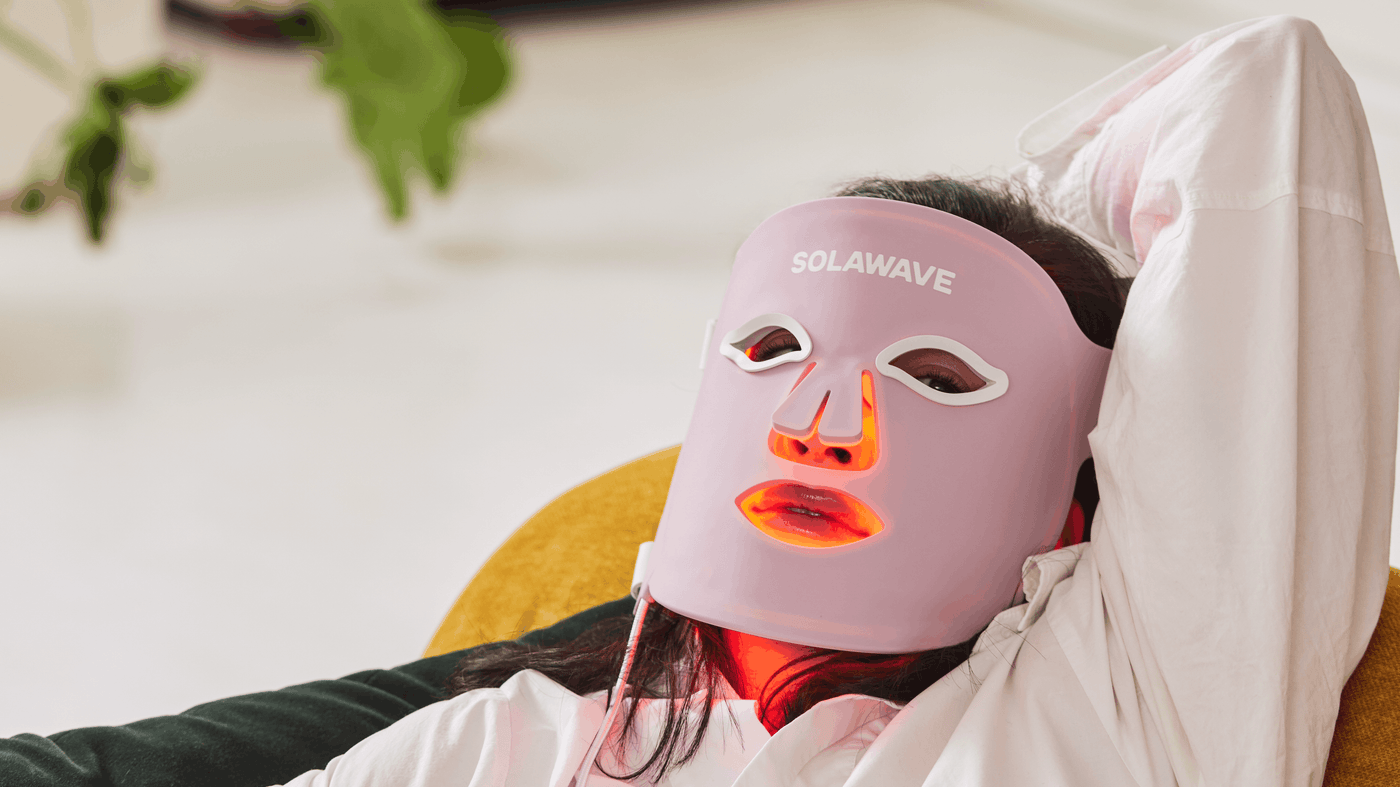
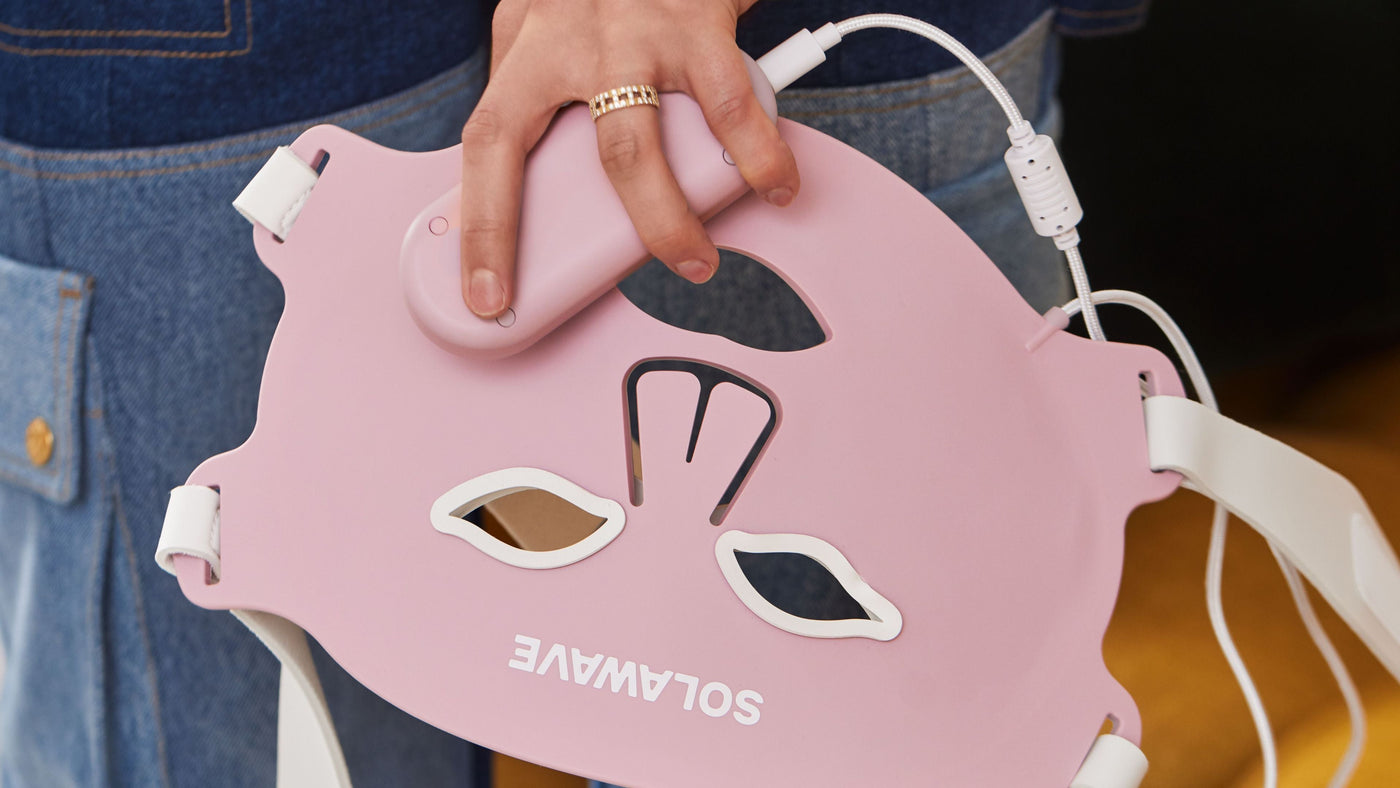
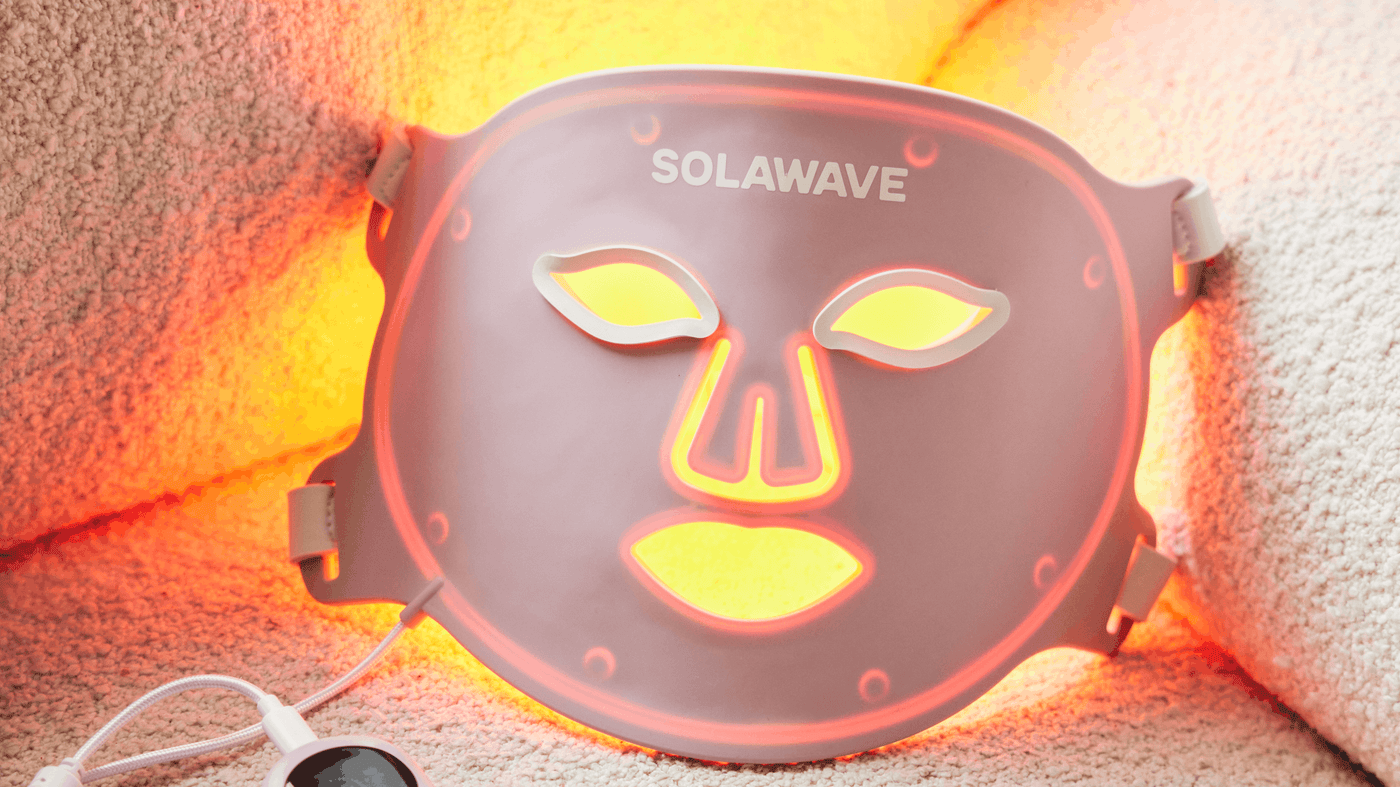
The Wrinkle Retreat Pro LED Face Mask by Solawave delivers four therapeutic wavelengths: Red (630nm), Deep Red (660nm), Amber (605nm), and Near-Infrared (830nm) in just 3-minute sessions. This FDA-cleared device features 320 medical-grade LEDs that work to visibly improve skin's appearance with consistent use, 3 to 5 times weekly over an 8-week period.
For targeted treatment, the 4-in-1 Skincare Wand combines red light therapy with facial massage, therapeutic warmth, and galvanic current. The wand requires a water-based serum like the LightBoost Activating Serum to work properly and activate all four technologies. The serum contains hyaluronic acid to attract and retain moisture, making it ideal for addressing dehydrated skin signs.
Look for products containing ceramides, hyaluronic acid, and glycerin, which help attract and retain moisture. Drinking adequate water supports overall skin health, though topical treatments remain most effective.
Many people confuse these two conditions, but the distinction affects treatment:
Dehydrated Skin:
Dry Skin:
You can have dry skin that's also dehydrated, requiring both approaches.
Recognizing the signs of dehydrated skin on your face puts you in control of your skincare journey. Whether you're noticing dullness, tightness, increased fine lines, or rough texture, these dehydrated skin symptoms are your skin's way of communicating its needs. When you identify what dehydrated skin looks like early and respond with targeted care, including evidence-based treatments like LED light therapy and hydrating ingredients, you can restore your skin's natural balance and achieve visibly healthier results within 8 to 12 weeks.
Ready to restore your skin's hydration? Shop Solawave devices today.
With consistent care, you may notice visibly improved hydration within a few days to two weeks. However, fully restoring your moisture barrier typically takes 8 to 12 weeks of dedicated skincare practices, including appropriate hydrating products and potentially LED light therapy.
Yes, absolutely. Dehydration is a condition, not a skin type. Your skin can produce excess oil while simultaneously lacking water. Sometimes skin overproduces oil to compensate for dehydration, leading to a combination of shine and flaking.
The pinch test provides immediate feedback. Gently pinch your cheek skin for a second and release. If it doesn't bounce back instantly or shows temporary wrinkling, dehydration is likely. Other indicators include tightness after cleansing and a dull appearance.
Adequate water intake supports overall health and can contribute to skin hydration. However, topical treatments are more effective for directly addressing skin dehydration because they work at the surface level. A combination of internal hydration and external skincare provides the best approach.
Effective ingredients include hyaluronic acid (attracts water), glycerin (binds moisture), ceramides (strengthen barrier), niacinamide (supports barrier health), and peptides (support skin structure). Combining these ingredients with FDA-cleared LED therapy can provide comprehensive support for visibly improving hydration over time.
 News
News